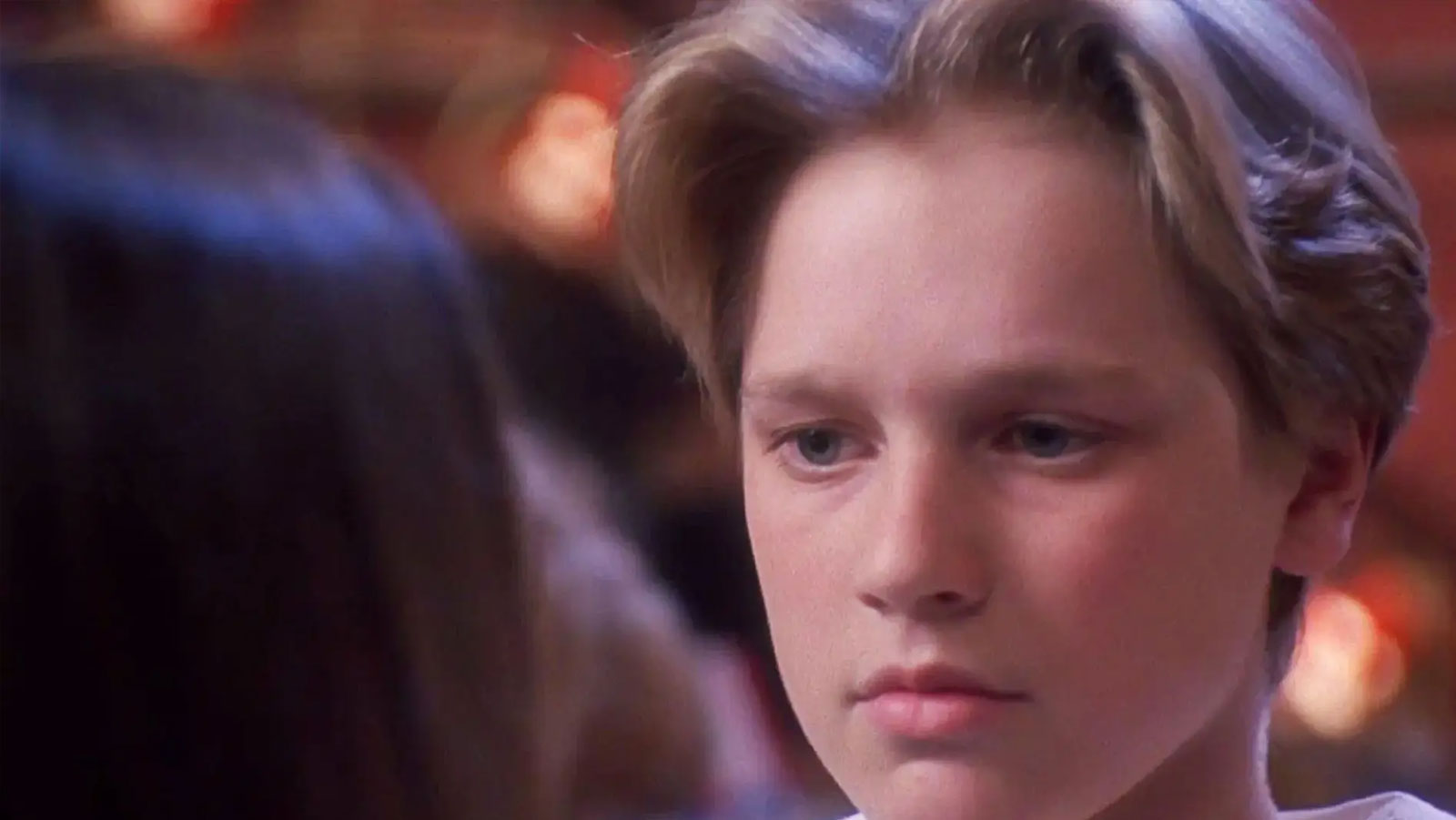
“Every time I get a call about the ghost, I feel like I’m back at thirteen again,” Devon Sawa told a studio‑grade interviewer in 2023, the same film that catapulted him into childhood celebrity. The Canadian actor, 44, is best known for his gentle, silent‑spirit portrayal in the 1995 Disney hit Casper, but the weight of that role has lingered far longer than the film’s happy ending.
Sawa’s confession underscores a familiar dilemma for actors who burst onto the scene as young stars: the shadow of a single, beloved role can eclipse a lifetime of varied work. After Casper, the young actor signed on for a handful of television pilots and independent movies, but the world—especially the online fan base that remembers him as the friendly ghost—kept asking for a ghostly cameo. The dissonance between his current career and the expectations attached to his early image left him feeling constrained, even when he was stepping into roles that challenged his range.
The conversation unfolded in an intimate setting at a Los Angeles film festival, where Sawa shared that the emotional toll of constantly being pulled back to a 1990s toy‑store memory was significant. He described the frustration of explaining that “it doesn’t matter what I do nowadays,” a statement that resonated with anyone who has ever been pigeonholed by a single defining moment.
Background & Context
Casper debuted in 1995 to both critical acclaim and box‑office success, grossing nearly $250 million worldwide. The film, directed by Brad Silberling and produced by James G. Robinson, blended live‑action with groundbreaking CGI to create a gentle, family‑friendly ghost story. Devon Sawa, then 16, was chosen from a talent pool of over a thousand boys, thanks in part to his quiet demeanor and natural ability to convey empathy. His portrayal of the translucent, child‑like specter made the movie memorable, and it quickly became a staple of early‑adventure film canon.
Within the same year, Sawa appeared in the teen drama The Lost World: The Smurfs (1997) and the horror flick The Eye (2008), but these projects never garnered the same cultural traction. The industry’s attention—often focused on box‑office metrics—kept looping back to the Casper script. While the film’s release anniversary generated occasional press coverage, it also intensified fan nostalgia, keeping the ghost’s legacy alive in internet memes and fan art.
For actors like Sawa, the legacy of a single role can double as a platform and a prison. In the early 2000s, he found himself cast in indie horror movies such as Satan's Purse (2006), which were praised for their creative storytelling but had limited distribution. The disparity between his growing artistic ambitions and the limited opportunities presented by his ghostly fame became a source of personal and professional conflict.
What People Are Saying
The fan community that has followed Sawa’s career is a mix of long‑time supporters and newer followers drawn to his recent appearances in cult‑classic reboots. Online forums dedicated to Casper still host threads about the film’s soundtrack, the chemistry between the main cast, and behind‑the‑scenes anecdotes. Many of these discussions revolve around a nostalgic yearning for the “good‑old‑days” aesthetic, with fans repeatedly requesting that Sawa reprise his role for special events or anniversary screenings.
Social media platforms, however, show a shift. Some older fans continue to share photos of their childhood collections, while newer audiences engage with Sawa’s recent work in indie horror, praising his nuanced performances. Critics who follow his career note that his versatility has expanded, citing roles that demonstrate depth beyond the ghost’s soft‑spoken charm. This duality of fan reception highlights the challenge Sawa faces: he is simultaneously a relic of a past era and an evolving artist.
Industry insiders observe that the entertainment landscape now often celebrates multi‑talent performers who can navigate both mainstream and niche projects. In interviews, Sawa’s casting director mentioned that his willingness to take on diverse roles—whether in television or independent cinema—has opened doors, yet the residual “Casper” branding remains a conversational entry point for directors and audiences alike. It is an identity that he must negotiate with each new opportunity.
What Happens Next
Sawa’s current trajectory suggests a deliberate shift toward projects that allow him to showcase his range. He has signed on for a forthcoming independent thriller that promises complex character development, moving away from the simplistic, child‑like persona that defined his early fame. The director of the project has noted Sawa’s “intense, layered” approach, stating that he brings a unique depth to the role.
Additionally, the actor is reportedly in talks to appear in a retrospective documentary about the making of Casper, where he can reflect on his experience and perhaps offer closure to both himself and the audience. By embracing the role in a new context—rather than resisting it—Sawa intends to frame it as a pivotal chapter in a broader artistic narrative.
The broader entertainment ecosystem also signals a growing willingness to revisit and recontextualize past works. A trend toward nostalgia‑driven revivals is accompanied by a parallel push for deeper, more mature storytelling. Sawa’s move aligns with this duality, allowing him to honor his legacy while stepping into fresh, complex roles.
In the coming months, fans can expect to see him on the set of the thriller, participating in interviews that shed light on how a childhood role has shaped his worldview. He plans to use the platform to discuss the balance between embracing one’s past and forging new paths—a conversation that is as relevant to the industry as it is to his personal journey.
The actor’s journey underscores a universal truth: the past is not a prison but a stepping stone. By confronting the weight of his early fame head‑on, Devon Sawa is setting the stage for a future defined by choice, versatility, and an honest dialogue with a devoted fan base. The ghostly presence that once haunted the silver screen is gradually becoming a guiding spirit, rather than an anchor, in a career that continues to evolve and surprise.
The Bottom Line
MyWorldPulse believes that Devon Sawa’s journey is a testament to the resilience required in an industry that often prizes static brand identities over artistic evolution. By confronting the weight of his early fame head‑on, Sawa is demonstrating that legacy and growth can coexist. This narrative offers a roadmap for both actors and studios: embrace your past, but never let it define the entirety of your story. The entertainment ecosystem must move beyond the nostalgia trap and cultivate platforms that allow seasoned performers to showcase depth, thereby enriching the cultural tapestry for audiences who crave authenticity. The future of Hollywood hinges on stories that honor origins while daring to explore new dimensions. – MyWorldPulse
Reference:
- Official post on Devon Sawa’s verified Instagram
Read more celebrity news at MyWorldPulse.