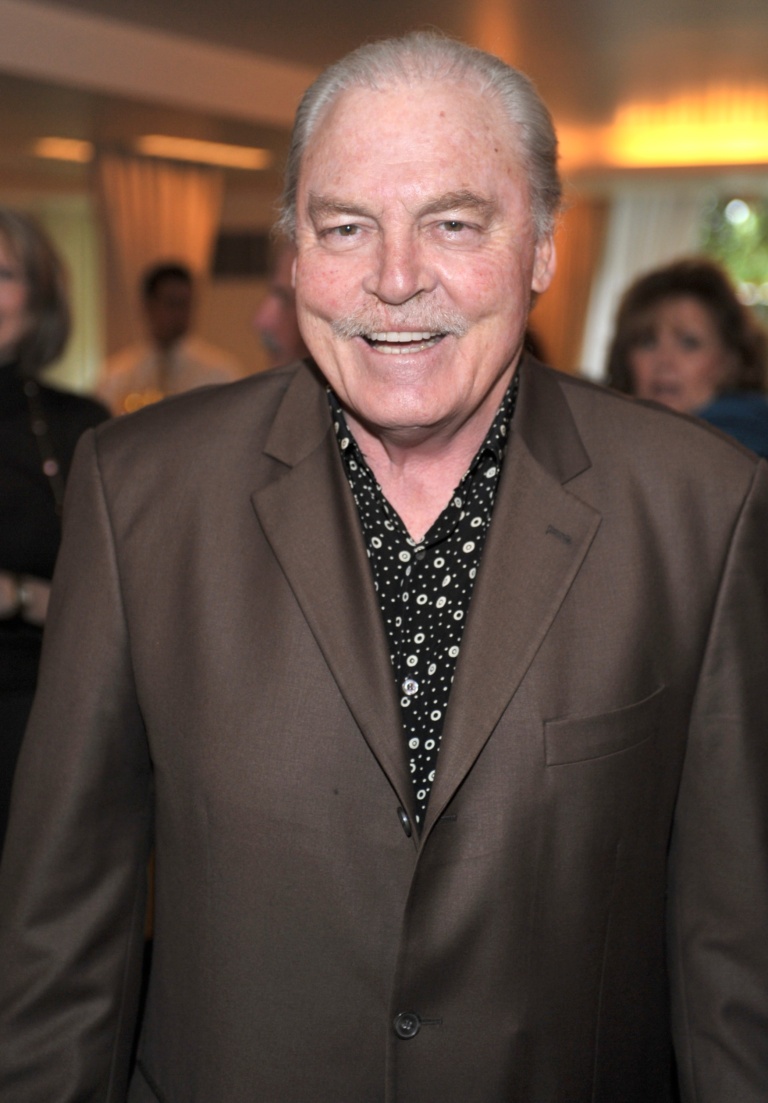
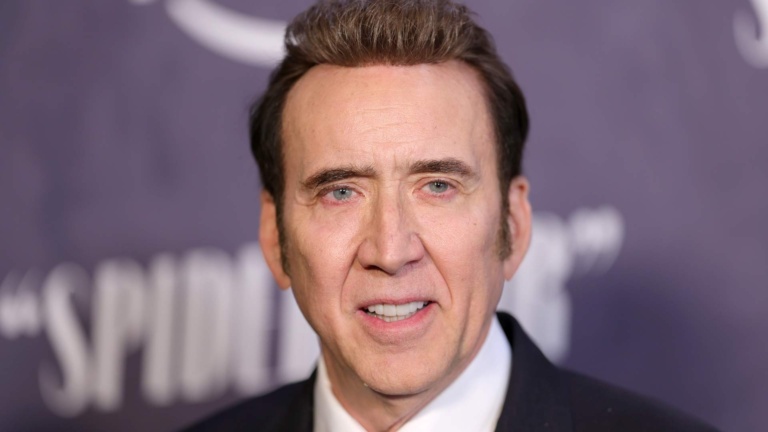
The loss of Sir Patrick Stewart, the iconic Captain Jean‑Luc Picard and Professor Charles Xavier, reverberated across the entertainment world. When “Saturday Night Live” aired a 1994 clip of Stewart introducing Salt‑N‑Pepa, it became a poignant reminder that the industry’s golden era still hinges on a single, unforgettable figure. In a time when Hollywood is grappling with how to honor legacy while forging new narratives, Stewart’s passing has prompted studios, fellow actors, and audiences to confront the fragility of talent and the weight of storytelling.
The announcement came from Stewart’s own Instagram page, where a succinct message framed the loss as a “brief and poignant journey” with Alzheimer’s disease and Lewy body dementia. At 86, the actor’s career had spanned six decades, from the Royal Shakespeare Company to Broadway, film, and television. His distinct baritone and commanding presence had earned him three Oscar nominations and a knighthood, marking him as one of the most respected performers of his generation. The industry is now cataloguing his contributions—from the cerebral leadership of Picard to the gentle, wise guidance of Xavier—while mourning the silent loss felt by colleagues, friends, and fans worldwide.
The impact is being felt not only in the dramatic reverence of obituaries but also in the immediate cultural response. “SNL” leveraged its platform to remind viewers of Stewart’s humor and humanity, juxtaposing a historic moment with the reality of a star’s final bow. Meanwhile, Marvel Studios released a tribute on Instagram, highlighting how Stewart embodied Xavier’s “extraordinary grace, intelligence, and humanity.” Even Jeremy Saulnier, director of “Green Room,” shared how Stewart’s spontaneous interest salvaged the film’s production, illustrating the actor’s influence behind the scenes. Together, these gestures underscore a broader conversation about the preservation of artistic legacy in a fast‑moving industry.
Background & Context
Patrick Stewart’s name evokes a lineage of theatrical and cinematic milestones. Born in Mirfield, Yorkshire, he entered the Royal Shakespeare Company before expanding into Hollywood. His most enduring roles, Captain Jean‑Luc Picard in “Star Trek: The Next Generation” and Professor Charles Xavier in the X‑Men franchise, have become cultural touchstones. In each, Stewart brought a gravitas that elevated genre storytelling into realms of philosophical depth and emotional resonance. His work on stage, film, and television earned him three Academy Award nominations and a knighthood for services to drama.
Stewart’s death, announced on his Instagram, revealed that he had been fighting Alzheimer’s disease and Lewy body dementia in a “brief and poignant journey.” The post emphasized the quiet dignity that had defined his final days, surrounded by family, prayer, and music. It also highlighted his philanthropic commitments to human rights, refugees, veterans’ mental health, and animal welfare—an often‑overlooked facet of his public persona. These details paint a portrait of an artist who carried the same compassion into his professional and personal spheres.
In the wake of his passing, “SNL” chose a 1994 clip featuring Stewart as a host to introduce Salt‑N‑Pepa, bridging decades of pop culture. The network also displayed a promotional photograph of the actor, reinforcing the timelessness of his image. Beyond television, Marvel Studios and director Jeremy Saulnier offered heartfelt tributes. Marvel’s Instagram post lauded Stewart’s portrayal of Xavier as “extraordinary grace” and “intelligence,” while Saulnier recounted how Stewart’s spontaneous interest revived the production of “Green Room,” preventing the project’s cancellation. These reactions underscore Stewart’s influence across multiple sectors of the entertainment ecosystem.
What People Are Saying
The reaction to Stewart’s death has been swift and widespread, resonating from fans to industry leaders. Social media platforms became a chorus of memories, with millions sharing anecdotes and tributes. The tone of the messages often highlighted his “dignity, compassion, and humanity” as defining traits that extended beyond his characters into everyday interactions.
Within Hollywood, colleagues have expressed both personal grief and professional admiration. Actors who shared the stage or screen with Stewart described the loss as a quiet but powerful reminder of the collaborative nature of performance art. The acting community noted that Stewart’s mentorship—whether formal or informal—had shaped the careers of many emerging talent, a legacy that may be honored through future roles that echo the themes he championed.
Marvel Studios’ tribute, posted immediately after the news, exemplified a broader industry trend of celebrating legacy through social media. By emphasizing the “extraordinary grace, intelligence, and humanity” Stewart brought to Professor Xavier, the studio acknowledged how a single performance can define a character for generations of fans. The post also extended condolences to Stewart’s family and highlighted the ongoing impact of his philanthropic work.
In television circles, “SNL”’s decision to feature Stewart’s archival footage was widely praised. The sketch comedy show, known for its topical humor, demonstrated a willingness to honor a legend while staying true to its comedic roots. The episode also included a segment celebrating the Milwaukee Brewers’ World Series win, featuring the return of Bobby Moynihan’s “Drunk Uncle” character—a reminder that the show balances tribute with its regular brand of satire.
The broader audience response, seen through comments and shares, reflected a collective sense of loss and gratitude. Many fans expressed that Stewart’s roles had shaped their own perceptions of leadership, empathy, and resilience. The collective mourning underscores a societal desire to remember the humanity that high‑profile actors bring to the screen and stage.
What Happens Next
The industry’s next steps involve honoring Stewart’s memory while ensuring his influence persists in future projects. Several memorials are planned, including a tribute service that will likely include readings of his most iconic lines, performances by former co‑stars, and a moment of silence for fans. Given Stewart’s extensive filmography, archives and streaming platforms may see a renewed focus on his work, with retrospectives that contextualize his contributions within the broader history of genre television and cinema.
Marvel Studios has signaled that the legacy of Professor Charles Xavier will remain a cornerstone of the franchise. While no immediate announcements about sequels or spin‑offs have been made, the studio’s public statement reflects a commitment to preserve the integrity of Stewart’s portrayal, possibly influencing future casting decisions and character development. Similarly, the theatrical community may re‑examine Stewart’s stage work, with potential revival productions of plays he starred in to commemorate his dramatic artistry.
In television, “SNL” may continue to incorporate tributes to other iconic figures as part of its cultural commentary, reflecting the show's history of balancing humor with remembrance. The inclusion of Stewart’s clip during a broader celebration of a World Series win illustrates the network’s willingness to weave nostalgia into contemporary programming—a practice that could become more prevalent as the industry seeks to connect past and present audiences.
Beyond production, Stewart’s philanthropic legacy may inspire renewed focus on Alzheimer’s research and support for veterans and refugees—issues he championed. The call to contribute to the Johns Hopkins Alzheimer’s Disease Research Center Fund and the Alzheimer’s Foundation of America Caregiver Resources reflects a concrete pathway for fans and colleagues to honor his memory through tangible action.
The industry’s collective response demonstrates that legacy is not only about the roles an actor has played but also about the impact on the cultural fabric and the lives he touched. As the entertainment world continues to evolve, the memory of Sir Patrick Stewart will likely serve as a guiding light for future generations of actors and creators, reminding them that storytelling, empathy, and humanity remain the core of every great performance.
In the quiet spaces between headlines and applause, Sir Patrick Stewart’s voice will echo on stages, screens, and hearts, proof of a life lived with extraordinary grace.
The Bottom Line
As the entertainment world mourns Sir Patrick Stewart, we must recognize the enduring power of his contributions—not merely as a star but as a torchbearer for narrative integrity and compassionate mentorship. Stewart’s portrayals of authority and wisdom in both the final frontier and the mutant world demonstrate that genre fiction can explore profound human questions when anchored by a genuine performer. His influence is evident in the way Marvel has pledged to honor his legacy, ensuring that future X‑Men stories remain faithful to the thoughtful, inclusive spirit he embodied. The industry must seize this moment to reaffirm its commitment to authentic storytelling and to nurture the next generation of actors who will inherit these responsibilities. Additionally, Stewart’s philanthropic legacy offers a blueprint for how the industry can leverage celebrity to advance vital causes, notably Alzheimer’s research. Let us honor him by preserving the gravitas he brought to every role, fostering mentorship within our communities, and using our collective platform to support the causes he championed. In doing so, we keep his extraordinary grace, intelligence, and humanity alive in the cultural imagination.
Reference:
- Sir Patrick Stewart's official Instagram announcement of his passing
Read more celebrity news at MyWorldPulse.