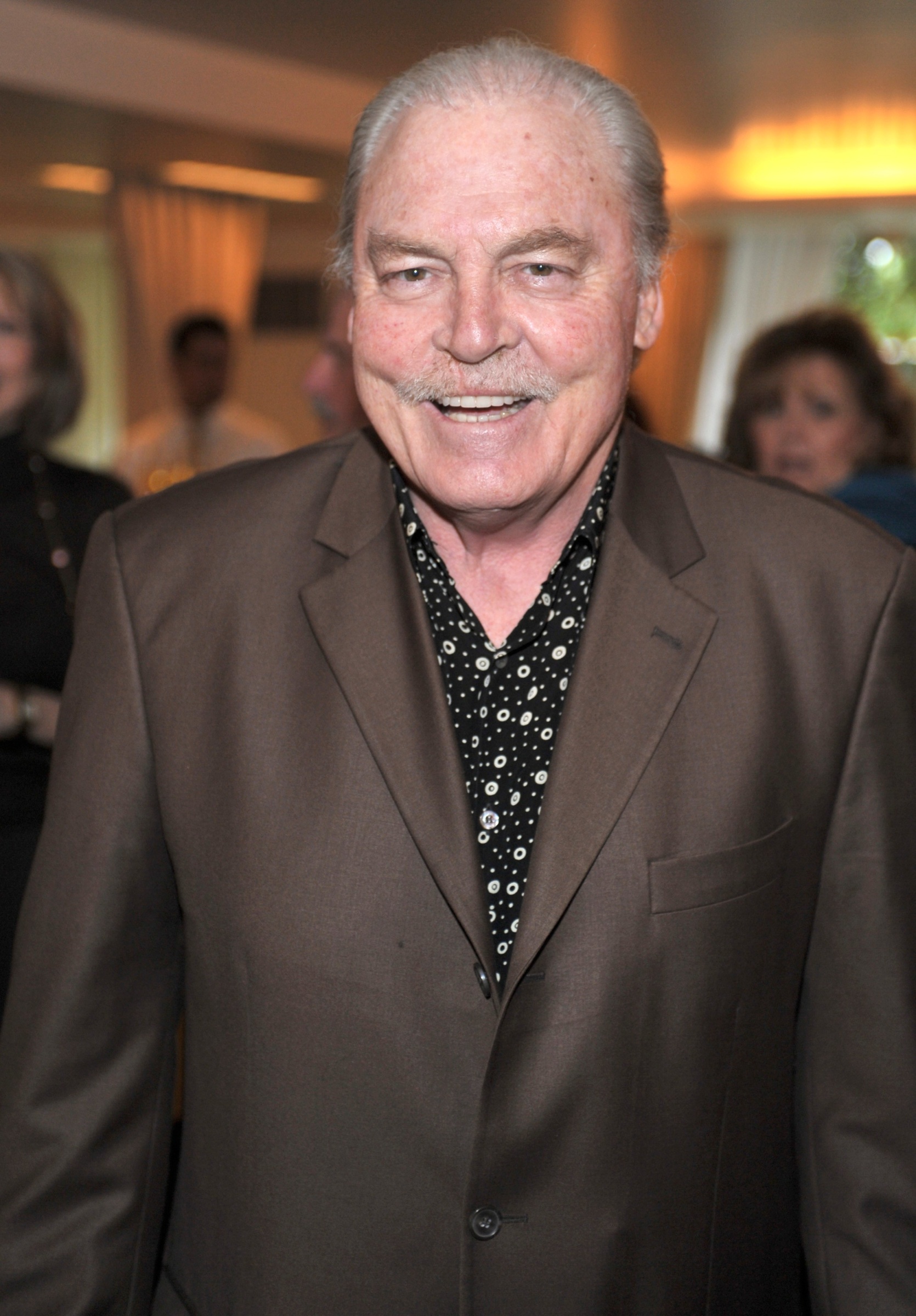
Stacy Keach’s death in Poland at age 85 sends ripples through a generation that has watched him sharpen the screen with a voice that was at once rugged and refined. The veteran actor’s last known appearance on the silver screen had already been a few years earlier, but his influence—on stage, in television and on film—continues to reverberate. The news of his passing comes after a long, hard struggle with a serious heart condition that eventually led to heart failure. For a performer whose career spanned over five decades, the loss feels like the closing of a chapter that will be revisited for years to come.
In the weeks that followed the announcement, fans and fellow actors alike flooded the internet with memories of the men he played—each one a memorable icon. From the hard‑boiled detective Mike Hammer to the weary gambler in “Fat City,” Keach had a unique way of turning ordinary characters into cinematic legends. While the public mourns, the industry begins to reassess how much of his work has shaped the archetypal American tough guy, and how his talent will be remembered in the context of an ever‑evolving Hollywood.
The news underscores a larger truth about the entertainment world: that its stars are mortal, and that the stories they tell linger long after their last curtain call. As the curtain falls on Keach’s life, his colleagues and the next generation of actors are prompted to honor a legacy that has, in its own quiet way, become a benchmark for authenticity on screen.
Background & Context
Stacy Keach’s journey into acting began on the stage, where his early work in Shakespearean plays demonstrated a command over language that would define his later performances. A natural fit for complex, morally ambiguous characters, he quickly moved into the world of film and television. His first breakthrough came in the 1970s with the gritty drama “Fat City,” a role that showcased his capacity to portray raw, unfiltered human emotion. This film became a cult favorite, and Keach’s performance earned him respect from both critics and peers.
The 1980s found Keach in the role that would become his most iconic: Mike Hammer, the hard‑boiled detective in the CBS revival of the classic series. His portrayal, full of swagger and subtle vulnerability, captured a younger generation’s fascination with the noir aesthetic. The show ran for several seasons, and Keach’s Mike Hammer was remembered as one of the most compelling iterations of the character, influencing future portrayals of detective figures in television.
Beyond television, Keach maintained a steady presence in cinema. He took on roles that spanned genres, from comedic appearances in the Cheech & Chong films to dramatic turns in “The New Centurions.” His versatility allowed him to navigate the shifting tides of Hollywood, staying relevant even as the industry moved toward more contemporary storytelling. His later work included recurring appearances on “Blue Bloods,” where he brought a seasoned gravitas to the show’s police procedural narrative.
In addition to screen work, Keach never abandoned the stage. He returned to live theater in the 2000s, delivering powerful performances that reminded audiences of his roots in classical drama. His dedication to the craft, combined with a willingness to explore new mediums—such as voice work for animated series—cemented his status as a full‑spectrum artist whose career spanned more than five decades.
What People Are Saying
The immediate aftermath of Keach’s passing was a flood of tributes, most of them delivered by the actor’s closest confidants. His wife, Małgosia Tomassi, confirmed his death to the press, describing the loss as the end of a long and difficult battle with a serious heart condition and heart failure. Her statement was concise but resonant, reflecting the quiet dignity that had always defined Keach’s personal life. Fans in Poland, where he had spent his final days, sent messages of condolence to his wife, while social media accounts that had followed his career for years began to post snapshots of his most memorable scenes.
Industry insiders took a moment to remember how Keach’s work had influenced their own careers. Many of his former co‑stars have highlighted his professionalism and the depth he brought to every role. While the specifics of their reflections were kept private, the tone of the statements—expressed through social media posts and personal messages—suggested that Keach was not only admired but also respected as a mentor and colleague. Even the more recent actors who had never met him seemed to acknowledge the impact of his legacy through careful nods to his iconic performances, perhaps hinting at a lineage of tough‑guy roles that has evolved yet remains rooted in Keach’s archetype.
The broader community of fans also offered a vivid portrait of his influence. Longtime followers of “Mike Hammer” reminisced about the way Keach captured the raw edge of detective work, while others cited his performances in “Fat City” as a turning point in their own understanding of the noir genre. This collective memory shows how Keach’s work transcended the screen, influencing how audiences perceive the “badass” archetype that has become ubiquitous in modern storytelling. The conversation around his legacy reveals a complex interplay between nostalgia and contemporary appreciation—an ongoing dialogue that will likely shape future portrayals of similar characters.
What Happens Next
With the announcement of Stacy Keach’s passing, the immediate focus shifts to how the industry will honor his life and work. In the weeks following the news, a memorial service was announced for a date yet to be confirmed, allowing fans and colleagues to pay their respects in a setting that mirrors the gravitas of the actor’s final days in Poland. While details are still being organized, it is expected that the service will bring together a wide range of people who have shared the stage, screen, and studio with Keach over the years, and may include readings from his most memorable lines.
The release schedule of Keach’s filmography will also see a renewed interest. Several projects, some of which had remained unreleased, might see a posthumous launch or a re‑issue of existing work. Television networks and streaming services that have carried Keach’s productions may use the occasion to curate retrospectives, offering audiences a chance to revisit the breadth of his career. His roles in classic series and movies will likely find new audiences, especially younger viewers who discover his work through curated collections and streaming playlists.
Estate management will also be a key factor moving forward. Keach’s wife, Małgosia Tomassi, will be overseeing the distribution of his intellectual property rights. While the specifics of how his legacy will be handled have not been disclosed, it is anticipated that the estate will continue to honor his artistic standards by carefully selecting projects that reflect the integrity of his body of work. Fans and industry professionals alike will watch closely, knowing that a steward who values authenticity will guide the next steps.
As a final thought, the entertainment community will likely engage in an extended period of reflection. The loss of a figure like Keach prompts a conversation about the changing landscape of Hollywood and how the stories of the past can inform future narratives. His distinct voice and commanding presence set a standard that will continue to inspire performers and writers, ensuring that his influence remains felt long after the credits roll.
In the quiet aftermath of a career that spanned stage, film, and television, Stacy Keach’s memory will continue to echo. His legacy—rooted in authenticity, depth, and unwavering professionalism—offers a blueprint for the next generation of actors, and a reminder that even as a star fades from the spotlight, the stories they leave behind shine brighter than ever.
The Bottom Line
The loss of Stacy Keach is a stark reminder that the Hollywood myth of the invincible tough‑guy is not just a narrative device but a cultural artifact forged by generations of actors. Keach’s career exemplified how raw authenticity can coexist with refined storytelling, setting a standard for the next wave of performers who aim to portray complex, multifaceted heroes. As his estate and fans look to preserve and celebrate his work, we should seize this moment to re‑evaluate the characters that dominate our screens today. Rather than defaulting to archetypes that feel stale, creators must draw from Keach’s legacy to infuse their protagonists with genuine depth—an approach that resonates with audiences craving authenticity. This is not only a tribute to a legendary actor but a call to action for writers, directors, and actors to continue the tradition of crafting rugged, emotionally rich stories that honor the past while embracing modern sensibilities. —MyWorldPulse.com
Reference:
- Official post by Małgosia Tomassi confirming Stacy Keach’s death
Read more celebrity news at MyWorldPulse.