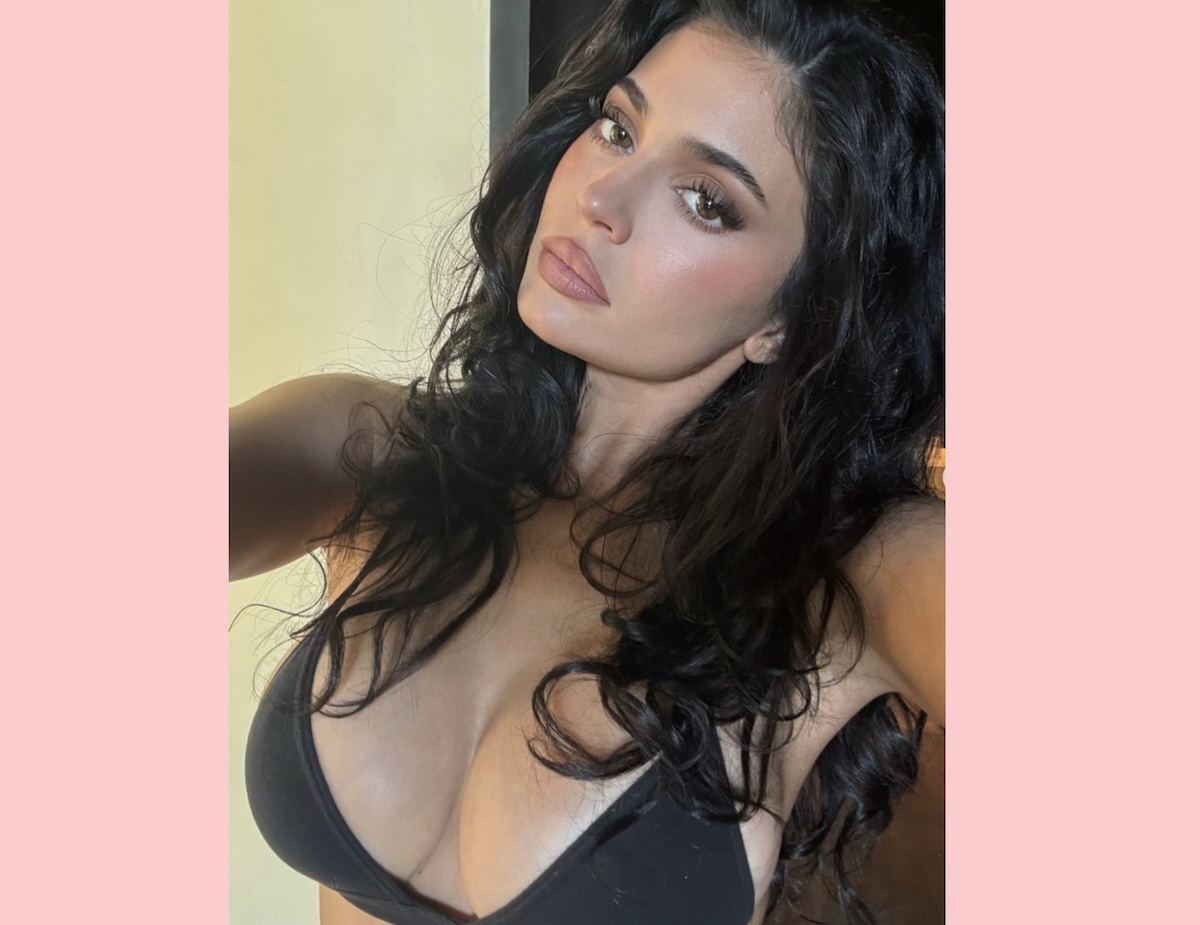
On a wind‑kissed beach where the sea meets sky, 29‑year‑old Kylie Jenner leans into a role far beyond the glossy pages of fashion magazines, letting her bare‑faced expression and fearless presence carry a message that echoes in far‑flung pastures. In a short, intimate film directed by Gia Coppola for Stella McCartney, Jenner’s calm communion with a trained horse becomes a visual plea against the ongoing roundup of wild horses across the United States. The campaign, which is part of a broader effort to spotlight animal welfare, is already sparking conversations in both the streets of Los Angeles and the high‑altitude ranches of Mono Lakes.
The piece was conceived by Stella McCartney, an advocate for ethical fashion and animal rights whose collection for the brand has long blended sustainability with high couture. McCartney’s heart has always been attuned to the plight of animals; she has often leveraged her influence to champion causes that intersect with fashion’s responsibility. In this instance, the designer turned to Jenner—a figure who can command global attention—to bring a starkly visual and emotionally charged narrative to the forefront. The film, under the lens of Coppola’s direction, captures Jenner’s unguarded vulnerability, allowing her to resonate with viewers who might otherwise remain distant from the issue of wild horse roundup.
What makes the film potent is not only its cinematic quality but also the immediacy of the issue it addresses. Every year, thousands of wild mustangs and brumbies are captured, separated from their kin, and, in some cases, forced into slaughter. This cycle of captivity, driven in part by a controversial “legal loophole” that allows federally protected wild horses to be sold by the Bureau of Land Management, has left many advocates uneasy. The short film seeks to turn the tide by placing the human face—embodied by Jenner—right at the center of this unfolding crisis.
Background & Context
Stella McCartney’s campaign is set against a backdrop of escalating concern over the treatment of wild horses in America. Recent reports have highlighted that more than 650 horses were round‑up in Mono Lakes, California, a scene that has become a focal point for activists arguing that the state’s approach is “truly cruel and inhumane.” McCartney, who has long championed cruelty‑free production, found herself compelled to use her platform to raise awareness about the “suffering and cruelty” that accompanies these roundups.
In a statement released alongside the film, McCartney underscored the depth of the issue: “Thousands and thousands of wild horses are being rounded up, taken from their babies, their brothers and sisters, their mothers and fathers. They are being taken from their natural habitat and their birthright. It is suffering and cruelty, and it really pains me. I wanted to expose what is happening to these innocent creatures and use this campaign to educate and inform.” Her words reflect a growing conversation within the fashion world that seeks to align aesthetic expression with activism, especially when it concerns the welfare of animals that roam the same land the industry draws inspiration from.
The film’s collaboration with Gia Coppola, known for her sensitive storytelling, further amplifies the message. Coppola’s direction captures a raw, almost meditative bond between Jenner and a trained horse, creating an almost sacred moment that underscores the fragility of these animals and the urgency of protecting them. The choice of a beach setting—a place where the boundary between human and natural world blurs—intentionally echoes the broader theme of human impact on wilderness, making the film a powerful visual metaphor for the larger conflict.
McCartney’s commitment to ethical practices extends beyond the film itself. The designer has long positioned her brand as a pioneer in sustainable luxury, ensuring that every piece reflects her principles of fairness, respect, and stewardship. By integrating activism into her brand narrative, McCartney leverages the reach of her fashion house to amplify a critical environmental issue, aiming to inspire both industry insiders and consumers to take a stand against the systematic degradation of wild horse habitats.
What People Are Saying
The release of the film sparked an immediate wave of responses across social media platforms, drawing attention from both grassroots activists and global audiences. Commenters praised the candid portrayal of Jenner’s connection to the horse, describing it as “heartbreaking” and “an act of compassion.” One follower wrote, “It is completely heartbreaking to see the cruel and inhumane treatment our American Wild Horses are being subjected to. It is a tragic injustice against our beloved American Wild Horses. Thank you for your compassion and empathy.”
Others focused on the tangible impact of the campaign, especially the 650+ roundups at Mono Lakes. A dedicated activist message read, “Stella, our hearts were irreparably broken by the recent brutal roundup of 650+ wild horses in Mono Lakes, CA. We are contacting every possible person involved – from perpetrators to politicians who may be able to stop the madness from ever happening again. Thank you for adding your global work, voice and vision. Please let us know if you have any insight where to best focus our efforts.”
The film also drew international attention, with a comment noting the situation in Australia: “Thank you for speaking up for wild horses @stellamccartney they are being persecuted worldwide. In Australia the government is shooting brumbies from helicopters in blatant disregard of evidence gathered to demonstrate horrendous animal welfare outcomes.” These exchanges illustrate how the campaign has broadened the conversation beyond the United States, bringing a global lens to a problem that is both local and universal.
While the film has largely been met with praise, some voices have called for more concrete action. One observer noted the need for policy changes that could close the loophole allowing the Bureau of Land Management to sell protected horses, a loophole that has been a point of contention among conservationists for years. The conversation underscores a growing public appetite for solutions that go beyond awareness, demanding structural change in the management of public lands and the treatment of wild equines.
These diverse reactions highlight the power of celebrity activism when combined with strategic storytelling. The film’s reach—bolstered by Jenner’s massive following and McCartney’s industry clout—has turned a niche issue into a mainstream debate, inviting ordinary viewers to confront the often‑hidden realities of animal captivity and to consider the role they play in either perpetuating or dismantling these practices.
What Happens Next
In the weeks following the film’s debut, Stella McCartney and her team are poised to leverage the momentum to pursue policy advocacy. The campaign’s narrative aligns with ongoing legal discussions surrounding the “legal loophole” that permits the sale of federally protected wild horses. While the Bureau of Land Management denies that it sells horses directly to slaughter buyers, advocacy groups fear that the loophole still facilitates secondary sales, exposing these animals to the risk of being sent to slaughter.
McCartney’s brand is preparing to launch a series of initiatives that aim to close that gap. The company’s sustainability office is slated to partner with animal welfare organizations to push for stricter regulations and to lobby for the removal of the loophole. By positioning the brand as a catalyst for change, McCartney hopes to set a precedent for the fashion industry, encouraging other designers to use their influence for environmental causes.
Meanwhile, Kylie Jenner’s involvement opens avenues for broader public engagement. The short film, already available for streaming, is expected to be accompanied by interactive content such as behind‑the‑scenes footage, educational resources on horse conservation, and a call‑to‑action encouraging fans to support relevant legislation and charities. Jenner’s own social media presence will likely continue to amplify the message, potentially galvanizing a younger demographic that might otherwise remain uninformed about the complexities of wild horse protection.
The fashion industry at large is taking notice. Several luxury houses have begun reviewing their supply chains and animal welfare policies in light of the campaign’s revelations. The conversation around ethical production is gaining tangible traction, with stakeholders acknowledging that consumer advocacy can translate into meaningful policy shifts. In the coming months, it will be crucial to monitor whether the film’s visibility translates into concrete changes—both in legislation and in industry practices—toward protecting the freedom of wild horses.
The next chapters will also involve collaboration with conservation NGOs to set up programs that offer alternative solutions to roundups, such as relocation or community‑based stewardship. By creating a multi‑layered approach that combines public pressure, policy reform, and on‑the‑ground action, the movement inspired by Jenner’s film could redefine how society views the intersection of celebrity influence, fashion, and animal rights.
In a world where the spotlight often follows the flash of a designer’s new line, this moment stands out as a quiet yet fierce call to protect the wild. As the tides of public opinion shift and policy debates intensify, the film’s resonance will likely endure, reminding us all that even a 5‑minute visual story can spark a lifetime of change.
The Bottom Line
From MyWorldPulse’s perspective, the Kylie Jenner‑Stella McCartney partnership is a watershed moment. It proves that high‑profile platforms can transform niche environmental concerns into mainstream conversations, compelling policymakers and industry leaders alike to act. The film’s stark imagery and clear call to action demonstrate that activism need not be relegated to the fringes of fashion; it can occupy a central position in brand identity, appealing to both profitability and purpose. As the industry grapples with its environmental footprint, this collaboration offers a replicable model: leverage star power, craft compelling storytelling, and align product ethics with advocacy. The ultimate test will be whether this momentum translates into concrete policy changes—closing the loophole that permits the sale of protected horses—and whether other designers will follow suit, integrating social responsibility as a core pillar of sustainable luxury.
Reference:
- Stella McCartney's Instagram post about wild horse campaign
Read more celebrity news at MyWorldPulse.