The Hollywood star found himself forced to vacate his prized beachfront property when a sudden, 60‑foot‑deep sinkhole opened beneath the driveway of his Malibu residence. The event left the actor, who is 62, sleeping in hotels and unable to use his own home for the first time in his life. While the incident seemed a localized crisis, it reverberates across the entertainment world, reminding studios and talent alike that even the most glamorous lives can be upended by the forces of nature.
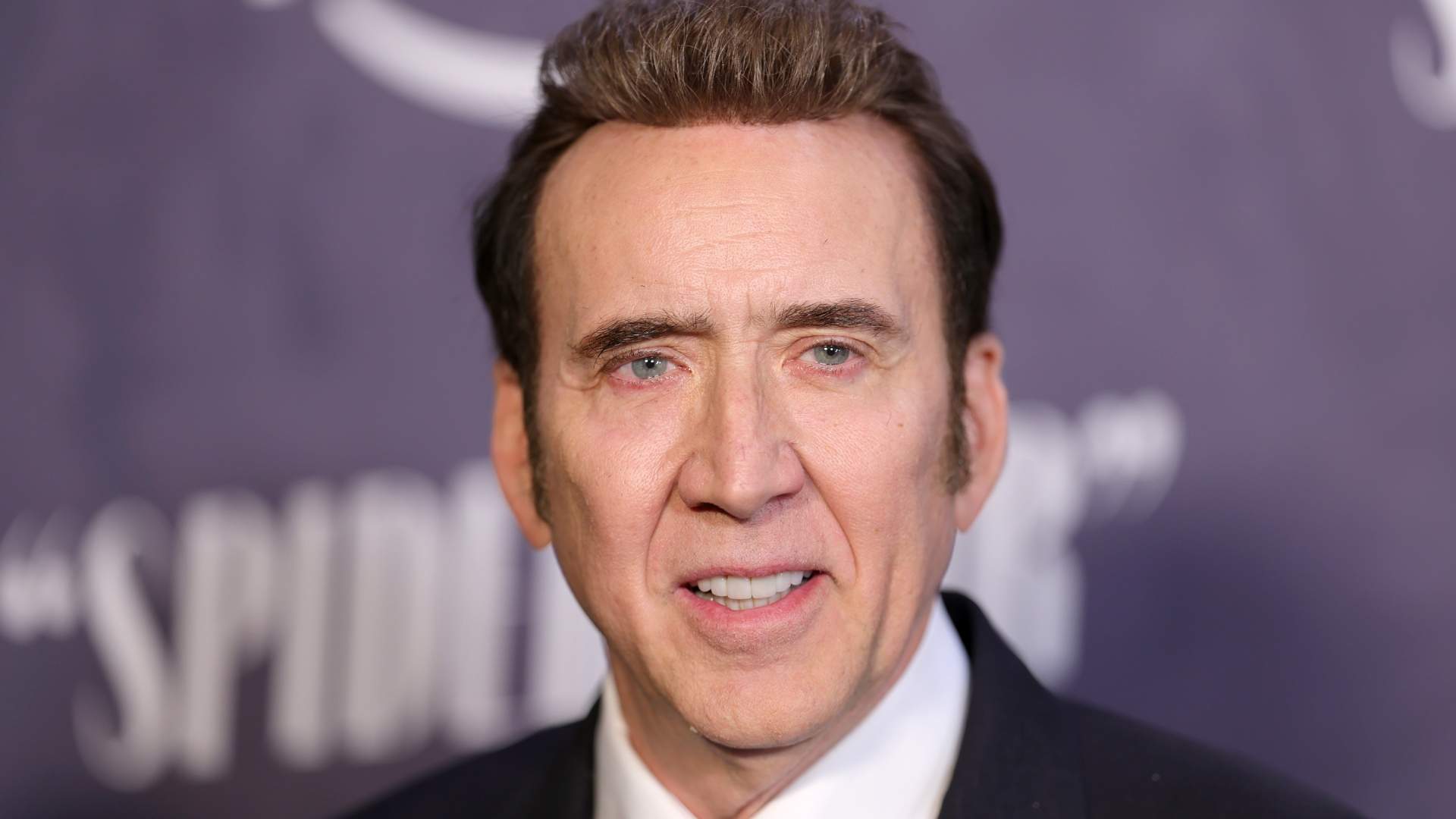
On October 31st, at the LA Comic Con, Cage spoke about the upheaval that had interrupted his Halloween rituals. “I’m currently a little bit homeless,” he said, describing the temporary shelter he’d found in a hotel after the sinkhole destroyed the access to his driveway. Despite the disruption, he insisted that he would still take his four‑year‑old daughter, August, to Santa Monica for trick‑or‑treating before settling in to watch Stanley Kubrick’s “The Shining” at night. The actor’s public appearance, which spanned both Saturday and Sunday, was met with cheers as he signed autographs and posed for photos with fans who shared images online, praising his calm demeanor amid the chaos.
The damage was extensive. Photographs taken on September 8th showed sections of asphalt and concrete collapsing into a deep hole that had swallowed a portable construction‑site toilet and fragments of a privacy fence. The sinkhole not only undermined the driveway but also breached the surrounding road, forcing local authorities to issue evacuation orders and restrict emergency access. The Malibu City officials confirmed that the erosion, exacerbated by heavy rains and coastal conditions, had reached beyond the property’s boundaries, threatening neighboring homes and prompting a community‑wide response. The property, which has been valued at approximately $10.5 million, remains a symbol of the risks that high‑profile homeowners face when living in vulnerable coastal zones.
Background & Context
Sinkholes along California’s coast have long been a hidden hazard, often triggered by prolonged heavy rainfall or seismic activity that destabilizes underlying geology. In recent years, a handful of similar incidents have shaken up both local residents and the film industry, which relies on reliable locations for shooting and talent accommodations. The Malibu sinkhole that took a chunk out of Cage’s driveway fits into a broader pattern of coastal erosion that has seen a rise in frequency as the region experiences more intense weather events.
Cage’s beachfront property, acquired a few years ago for a price in the multimillion‑dollar range, had become one of his most cherished retreats. The loss of the driveway, a critical access point for guests and crew, effectively turned the home into an inaccessible site. City officials have described the collapse as a “deep, vertical void,” measuring roughly 50 feet in diameter and extending at least 30 feet into the ground. The incident prompted emergency permit applications for a series of remedial actions: installation of sandbags, removal of debris, and detailed soil investigations to assess the extent of erosion and determine a long‑term solution.
The event also drew attention to the broader economic impact of such natural disruptions on the entertainment sector. In California, a significant portion of film production takes place in Southern coastal areas, and the sudden loss of a property or shooting location can delay schedules, inflate costs, and force crews to relocate on short notice. While Cage’s personal circumstances are unique, the logistical challenges he faces mirror those of production teams scrambling to adjust to environmental setbacks.
What People Are Saying
The actor’s candid admission of being “sort of living in hotels” resonated across social media, where fans posted support messages and shared the photos taken at Comic Con. Many expressed admiration for his grace under pressure, noting that despite the upheaval, he remained a steadfast figure for his daughter and the fanbase. The comments ranged from light‑hearted jokes about “cage‑free” living to earnest messages of hope for a quick resolution.
Within industry circles, colleagues have also taken notice. A production manager from a recent project with Cage remarked privately that the actor’s experience served as a reminder of the need for contingency planning, especially when relying on personal property for set purposes. The sudden need for a temporary housing arrangement sparked conversations about the importance of having emergency provisions in place for talent and crew alike, particularly in regions prone to natural disasters.
The film community observed that Cage’s situation could potentially affect future projects. His recent work on “Spider‑Noir,” a show that had been abruptly canceled, left fans perplexed. While the cancellation was announced earlier and unrelated to the sinkhole, the actor’s current instability added a layer of uncertainty to his availability for upcoming roles. Some industry insiders suggested that the event might delay his participation in other projects, prompting a reassessment of shooting schedules and contractual obligations.
Public reaction to the sinkhole’s environmental roots was swift, with environmental activists calling for more stringent monitoring of coastal erosion in Malibu and surrounding areas. The incident underscored the urgent need for proactive measures to protect both residential and commercial properties, including those owned by high‑profile figures. As the conversation shifted from personal inconvenience to a broader environmental debate, the story highlighted how individual incidents can catalyze larger discussions about climate resilience in the entertainment industry.
What Happens Next
The immediate priority for Cage and his team is to secure a permanent solution for the sinkhole and to restore safe access to his Malibu property. Early estimates for repair and stabilization work are projected to span several months, contingent on the outcomes of the soil investigations. Insurance companies are expected to evaluate the damage claims, with a particular focus on distinguishing between erosion‑related loss and any negligence factors that might affect coverage.
While the actor has not disclosed a specific timeline for returning to the property, he has expressed a clear intent to resume normal activities once the repair work is complete. In the interim, he continues to stay in hotels, a circumstance that he described as “sort of homeless” but not in a sense of hardship; he remains financially secure and is focused on his daughter's well‑being and the continuity of his creative endeavors.
For the entertainment community, the Malibu sinkhole serves as a case study in risk management. Studios and production companies may reassess the dependence on talent-owned properties for location shoots, especially in environmentally vulnerable zones. Contracts could be amended to include clauses that address unforeseen natural disasters, and contingency plans may be formalized to minimize downtime.
The story of Nicolas Cage’s temporary displacement also offers a glimpse into the human side of Hollywood, where even the most iconic personalities must navigate the same unpredictable realities as any other individual. As the actor works to reclaim his beachside sanctuary, the industry watches, ready to adapt and learn from a crisis that underscores the fragile intersection between fame, property, and nature.
In the end, Cage’s experience is a reminder that even the most glittering careers can be interrupted by forces beyond our control, and that resilience—both personal and collective—is essential in the face of such challenges.
The Bottom Line
Our view: Nicolas Cage’s forced displacement from his Malibu home is a stark reminder that the glitz of Hollywood is not immune to nature’s unpredictability. The incident should serve as a wake‑up call for studios, production companies, and talent agencies to prioritize comprehensive contingency planning. Insurers and production houses must reevaluate risk assessments, ensuring that contracts include clear clauses for environmental disruptions and that adequate coverage is in place. Moreover, the industry should diversify location strategies—avoiding overreliance on single high‑profile properties that can jeopardize entire projects. For audiences, Cage’s transparency about his temporary homelessness humanizes a star and illustrates the shared vulnerability of all Californians to coastal erosion. By embracing a culture of preparedness and resilience, Hollywood can safeguard its creative endeavors and demonstrate leadership in climate stewardship.
Reference:
- Official post on the person's verified social media account
Read more celebrity news at MyWorldPulse.