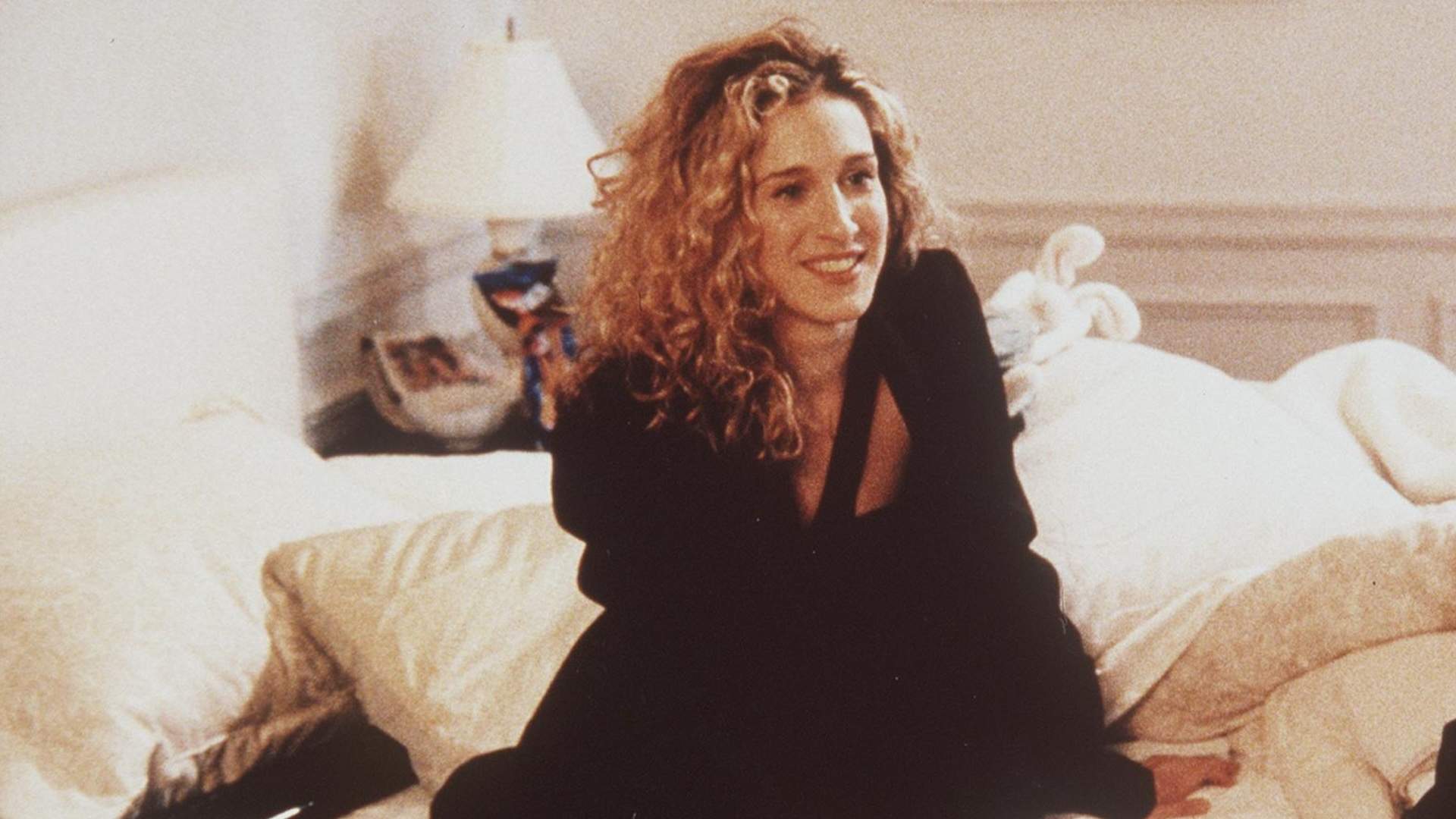
Sarah Jessica Parker keeps every “Sex and the City” outfit in a temperature‑controlled closet, never wearing them again.
The revelation came from a 2025 interview on The Howard Stern Show, where the Sex and the City legend disclosed a surprising detail: she has preserved every garment she donned on screen, yet refuses to step out in them again. The wardrobe, housed in a climate‑regulated vault, is a vault of style that has been quietly accumulating for decades. For a star whose image is inseparable from her character, the decision feels both astonishing and almost conspiratorial.
For 17 years, Parker has inhabited the role of Carrie Bradshaw, a character that defined an era of fashion, friendship, and ambition. From the original series’ 1998 debut through its 2004 finale, the 2008 and 2010 feature films, and the 2021‑2023 revival And Just Like That…, the costumes she wore became iconic references for audiences worldwide. That she never wears them again adds a layer of intrigue: a costume collector with a collection of one‑of‑a‑kind pieces, refusing to turn them into personal wardrobe staples.
The origin of the closet is rooted in a contract clause that Parker negotiated after her first season. She traded studio perks—candles, flowers, and the usual on‑set luxuries—for the right to keep every outfit she wore. The lawyer who drafted that clause advised Parker that the value of clothing was often underestimated, especially for shows that became fashion touchstones. Studios balked at the request, arguing that the pieces belonged to their archive and would be valuable for future projects. Parker’s persistence paid off: the clause was incorporated into her contract, and the wardrobe became hers to keep.
Background & Context
When Parker first stepped into the role of Carrie, the show’s creators were focused on a realistic, relatable portrayal of New York life. The fashion department, however, was quick to recognize that the character’s wardrobe could serve as a narrative device in its own right. The early costumes ranged from classic trench coats to avant‑garde outfits that captured the zeitgeist of the late 1990s. By the time the first film hit theaters in 2008, the wardrobe had expanded to include high‑end pieces from designers like Chanel, Gucci, and Valentino, all of which would later become sought‑after collector’s items.
In the 2021‑2023 revival, the production team returned to Parker’s collection, pulling out items that were stored for years and re‑introducing them to a new generation of viewers. She described this process as “a cycle of nostalgia,” where old garments are re‑used in new contexts, adding depth to the character’s evolution. Each season’s wardrobe was curated with care, ensuring that some items from the original series remained relevant on screen. The revival’s costume team often noted how the pieces had aged gracefully, providing an authentic visual link to the past.
Parker’s choice to keep the clothing in a temperature‑controlled closet also speaks to her appreciation for the artistry involved. The storage conditions protect the delicate fabrics, patterns, and embellishments that have endured both time and the rigors of filming. Estimates of the closet’s value, considering the provenance of the pieces, suggest it could be worth around $50,000—though Parker remains vague on the exact figure. She acknowledges that the investment is likely worthwhile, given the cultural and financial value of the garments.
What People Are Saying
Fans of Sex and the City have responded with a mixture of admiration and curiosity. Many see the decision as proof of Parker’s reverence for the craft of costume design and her desire to preserve the authenticity of the character’s legacy. Social media buzz has focused on the idea that the closet is a living museum, a portal into the past of a show that defined a generation. Some speculate that the collection could one day become part of a public exhibition, allowing new audiences to see the wardrobe that shaped Carrie’s aesthetic.
Industry insiders, meanwhile, view Parker’s clause as a pioneering move for actors negotiating their own intellectual property. Costume designers and wardrobe managers have noted that her decision to retain the outfits underscores the importance of preserving design integrity. When asked about the potential resale value, a costume archivist commented that the closet could serve as a “time capsule” for future fashion retrospectives. Parker herself hinted that she might loan pieces to museums or collaborators, thereby expanding the reach of her collection while keeping the garments safe.
What Happens Next
The future of Parker’s wardrobe remains largely an open book. While she has not announced any plans to auction or exhibit the items, she has indicated a willingness to loan pieces for special projects. In the words of the actress, “I’m open to sharing the pieces when it makes sense and when it honors the legacy of the show.” This openness could lead to collaborations with fashion houses, museums, or even film projects that aim to pay homage to the original series.
In the meantime, Parker will likely continue to manage her collection behind closed doors. She will use selected items on future projects, as she has done with the revival series, ensuring that the costumes remain a living part of the Sex and the City story. The temperature‑controlled closet remains a silent witness to a decades‑long partnership between actor and designer, proof of the enduring power of fashion as storytelling.
Closing the door on her wardrobe does not mean closing the door on Carrie Bradshaw’s influence. The closet, a vault of fashion history, stands as a bridge between the past and the present, offering a glimpse into a world that continues to inspire. As fans watch the character evolve in new adaptations, the preserved garments will keep reminding everyone that style, like narrative, is a legacy best kept alive.
The Bottom Line
MyWorldPulse: Sarah Jessica Parker’s vault is a bold declaration that costumes are more than set pieces—they’re cultural artifacts worth safeguarding. By retaining ownership, she flips the traditional studio‑centric model, empowering performers to claim their creative contributions. This stance elevates the conversation around intellectual property in fashion, urging studios to recognize the intrinsic value of on‑screen garments. For fans, the closet offers a tangible connection to the legacy of Sex and the City, hinting at future museum collaborations that could democratize access to these iconic pieces. As the entertainment landscape increasingly values authenticity and legacy, Parker’s move could become a blueprint for how celebrities negotiate ownership, preserving their artistic signatures for generations to come.
Reference:
- Howard Stern Show interview, 2025
Read more celebrity news at MyWorldPulse.