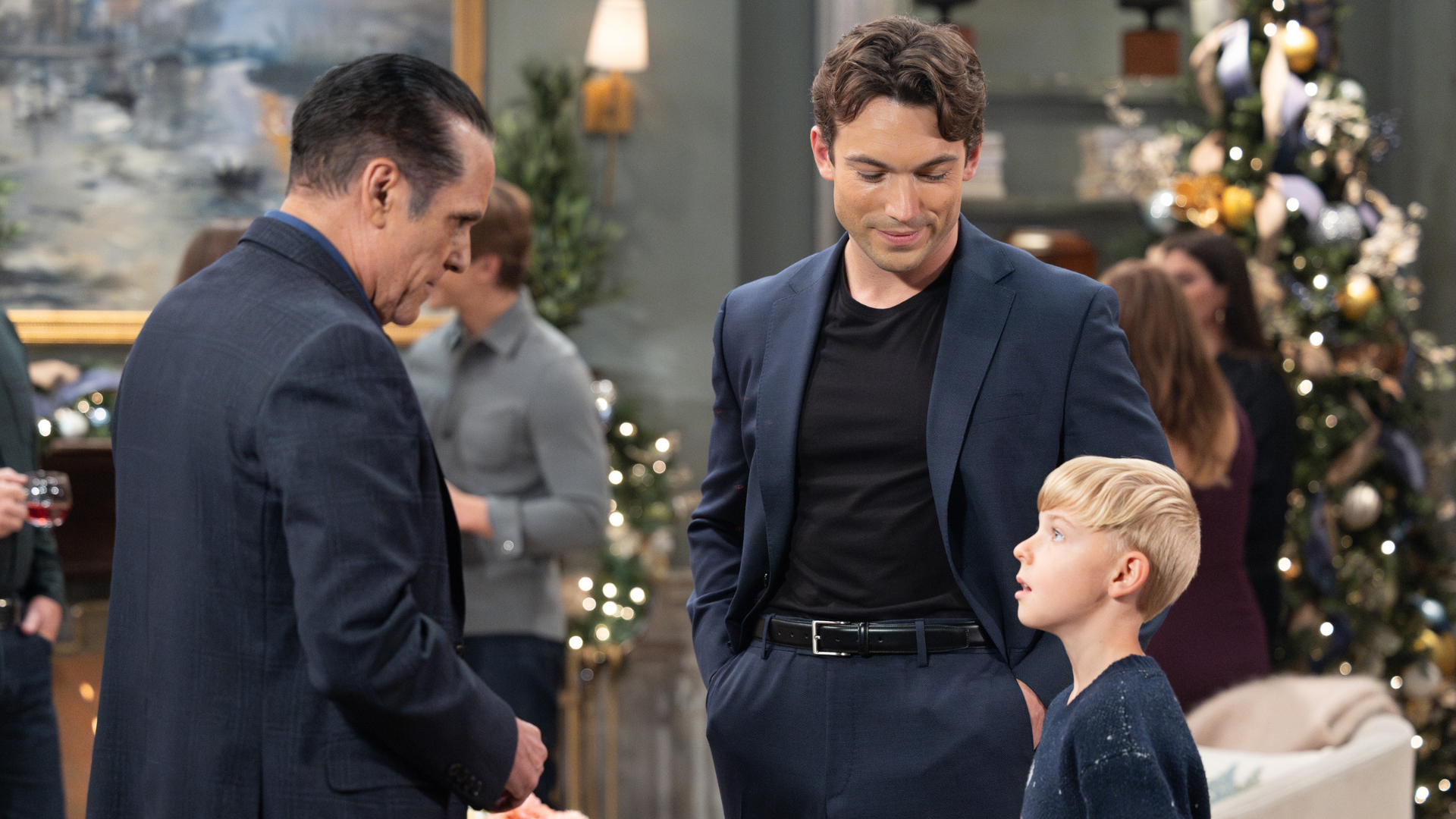
When the final credits of a daytime drama fade, the echo of the last goodbye can linger far longer than the broadcast. In the world of General Hospital, one farewell continues to reverberate: the death of Mike Corbin in 2020. The episode that aired on March 9 — where Sonny Corinthos mourns his father’s battle with Alzheimer’s and the haunting return of his estranged brother, Dante Corinthos — has become a touchstone for viewers who crave a narrative that feels both raw and compassionate. A recent look back on the scene, prompted by Steve Burton and Bradford Anderson’s social‑media tribute, sparked a wave of fan posts that highlighted the story’s enduring impact. In the months that followed, this quiet tragedy stood out among the show’s many dramatic twists, reminding audiences that some goodbyes leave an imprint that never fades.
General Hospital has a long tradition of weaving family sagas across decades, but the Mike Corbin arc was distinct for its blend of personal vulnerability and social relevance. By confronting Alzheimer’s disease—an illness that touches millions in real life—the writers shifted the show from sensational melodrama to a more grounded, empathetic exploration of memory, identity, and grief. The decision to let Mike die in 2020 was a deliberate narrative pivot, one that allowed the series to honor the realities of aging while giving long‑time viewers a cathartic moment of closure.
---
Background & Context
Mike Corbin first appeared on the screen in 1995, played by Ron Hale, and remained a steady presence until 2011. He was a quiet, hardworking figure—an ordinary man whose love for his family made him a quiet hero in the bustling streets of Port Charles. When the role passed to Max Gail in 2018, the character entered a new chapter: an aging patriarch grappling with the slow erosion of his memories. The writers, aware of the growing public conversation about Alzheimer’s, chose to give Mike a storyline that would mirror the disease’s progression in a way that felt authentic rather than sensational.
The 2020 episode was structured as a series of intimate moments: a hospital corridor lit by a single flickering bulb, a faded photograph of a younger Mike holding a child, the soft echo of a voicemail from a family member now long gone. Sonny’s eulogy was delivered in a hushed tone that underscored the gravity of loss, while the introduction of Dante’s return added a bittersweet layer of reconciliation. Dante’s arrival was not simply a dramatic plot twist; it was a narrative device that offered Sonny—and the audience—an opportunity to find solace in family ties even after years of estrangement. The scene’s quiet dignity became proof of the show’s willingness to tackle challenging subjects with sensitivity.
The Alzheimer’s arc also allowed the writers to explore themes beyond the individual. It intersected with other characters’ storylines, such as a younger family member confronting their own vulnerability or a long‑time ally dealing with the fallout of memory loss. The narrative was carefully woven to demonstrate how illness reshapes relationships, forcing characters to reassess what it means to be a family and to hold onto identity when memories fade. By grounding the tragedy in everyday interactions—writing a last letter, tasting the scent of a favorite dish—the episode offered a mirror for viewers who may be dealing with similar struggles.
---
What People Are Saying
The reaction to the tribute post on social media was immediate and heartfelt. Fans flooded the comments with memories and praise, many of whom had watched Mike’s journey from the beginning. One longtime viewer wrote, “This was such a great storyline, but it was so sad to see Mike go. He was such a joy to watch.” Another comment described it as “so heartbreaking and well done,” echoing a collective sense that the writers had treated the subject with the respect it deserved.
Beyond personal sentiment, several comments highlighted the collaborative effort that made the story resonate. A fan noted, “The whole entire Alzheimer GH storyline to me was portrayed beautifully… everyone who was involved in the making of it gets 5 Stars.” This appreciation extended to the actors, writers, and crew who worked to ensure the storyline was grounded in realism. The acknowledgment that this moment had moved people so deeply speaks to the show's ability to blend entertainment with empathy.
Notably, the comments revealed a split in preference between Ron Hale’s original portrayal and Max Gail’s later rendition. “I know it was a very good storyline but I always liked the original Mike – Ron Hale. He fit the role better,” one fan remarked. Another answered, “Oh, I loved Mike! I like both, but I liked Max Gail’s portrayal better.” These differences underscore how the character’s legacy has evolved with different actors, yet the core emotional connection remains unchanged.
Perhaps the most telling comment came from a viewer who reflected on the passage of time: “This was a great storyline. Hard to believe it was 6 yrs ago already!” This sentiment encapsulates the enduring nature of Mike’s story; it has not faded into the background of the show’s current dramas but remains a reference point for fans who still remember the emotional gravity of his final episode.
Industry insiders have taken note as well. Writers and producers have praised the storyline for its nuanced treatment of a complex disease, recognizing that it set a benchmark for storytelling in daytime television. The careful balance between dramatic tension and realistic portrayal earned accolades from advocacy groups focused on Alzheimer’s awareness, and the episode has been cited in discussions about how serialized television can serve as a platform for public education on health issues.
---
What Happens Next
Since Mike’s farewell, General Hospital has continued to weave memory and identity into its narrative fabric. The emotional groundwork laid by the Alzheimer’s arc has informed subsequent storylines, with characters revisiting past relationships, confronting unresolved conflicts, and confronting the reality of aging. Dante’s return has become a recurring motif—his presence a living reminder of the past that fuels new dramatic arcs, such as rivalries with other family members or unexpected alliances in the battle for power in Port Charles.
The writers have also leaned into the theme of legacy. Several episodes feature flashbacks to Mike’s earlier life, allowing younger characters to learn from his quiet wisdom. In one recent storyline, a young nurse is confronted with the same symptoms as her own mother, and the episode draws direct parallels to Mike’s experience, highlighting how the past can inform present choices.
From a production standpoint, the show’s willingness to tackle such a sensitive topic has opened doors to collaborations with health advocacy groups. Guest appearances by Alzheimer’s experts have added depth to certain scenes, and the network has promoted the episode as an example of responsible storytelling. This partnership has led to increased viewership from audiences who appreciate content that reflects real-world issues.
Looking forward, the legacy of Mike’s goodbye is poised to shape future narratives in subtle ways. Writers plan to explore how the emotional wounds of loss continue to affect characters months and years after the event. The sense of unfinished business that surrounded Mike’s death—Sonny’s unresolved guilt, the family’s fractured bonds—serves as fertile ground for dramatic tension. The show’s history suggests that such emotional threads, once introduced, will be revisited time and again, offering viewers the chance to see their own grief reflected on screen.
---
In a television landscape where sensational twists often dominate, the 2020 farewell of Mike Corbin stands out as a quiet, heartfelt testament to the power of storytelling. By confronting Alzheimer’s with dignity and empathy, General Hospital created a moment that resonated far beyond the set—providing viewers with a shared space to mourn, reflect, and find hope. Even as Port Charles continues to evolve, the echoes of that one episode remain audible, reminding us that some goodbyes, once spoken, are never truly forgotten.
The Bottom Line
General Hospital’s 2020 farewell to Mike Corbin is more than a plot point; it’s a triumph of storytelling that marries empathy with drama. By confronting Alzheimer’s with sensitivity, the writers have set a new standard for daytime television, proving that the genre can tackle hard truths without losing its emotional core. This episode reminds us that goodbyes, when handled with care, leave a lasting imprint that transcends the screen. The show’s willingness to partner with health advocates and weave realistic portrayals into its narrative showcases the power of media to educate, comfort, and connect. As the drama continues to evolve, the legacy of Mike Corbin will echo in future storylines, ensuring that the lessons of loss and remembrance remain at the heart of GH’s storytelling. — MyWorldPulse.com
Reference:
- Official post on the person's verified social media account
Read more celebrity news at MyWorldPulse.