Gypsy Rose Blanchard Breaks Down After Ken Urker's Unexpected Death
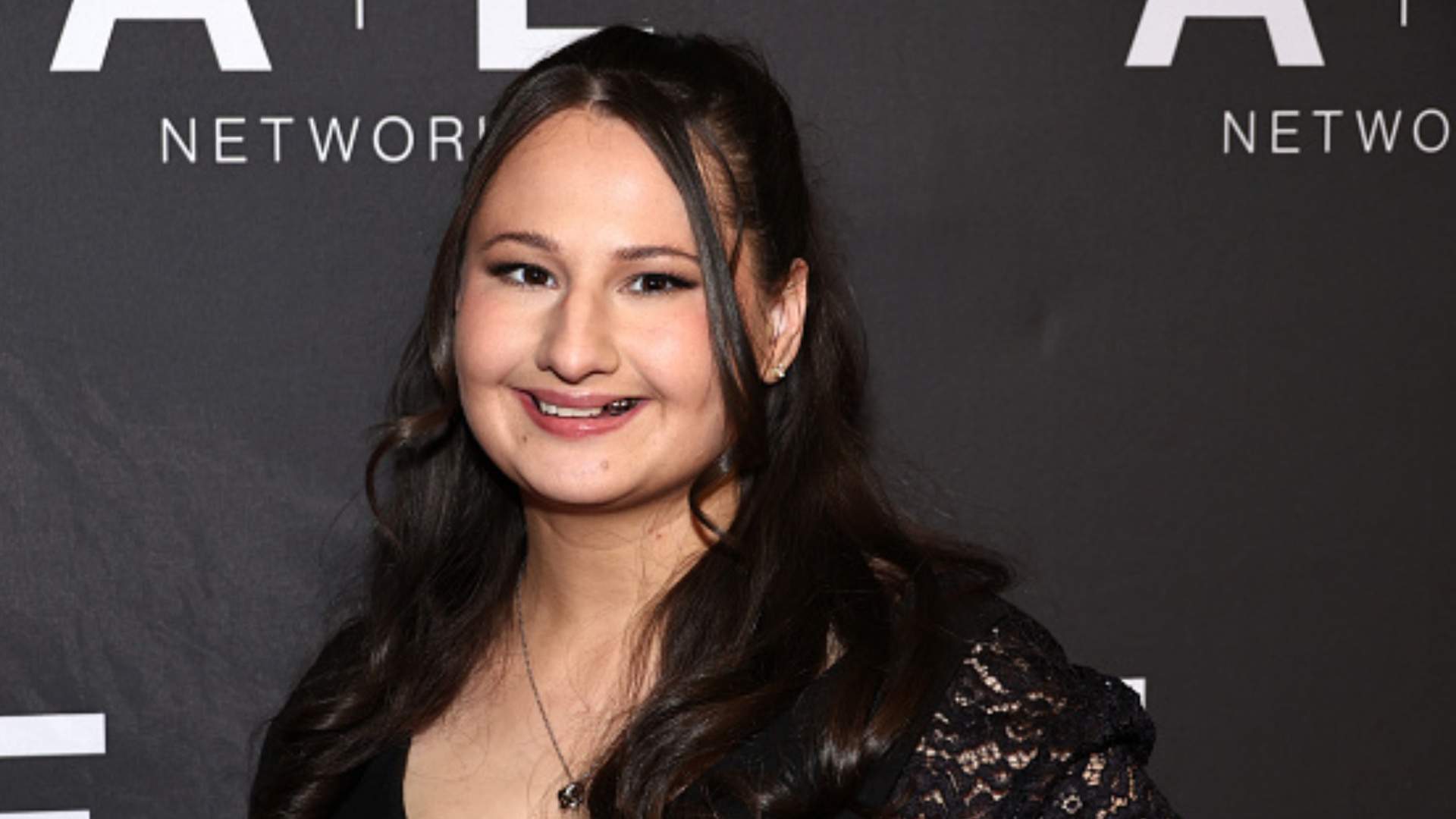
In a trembling confession that left viewers in stunned silence, 35‑year‑old Gypsy Rose Blanchard wept on live television after the sudden passing of her partner, Ken Urker, just days before his 34th birthday. The emotional moment, broadcast by the Australian edition of a long‑running investigative program, highlighted how far‑reaching public fascination with the Blanchard‑Urker saga has become, turning a personal tragedy into a cultural headline that reverberates across the entertainment and true‑crime communities.
The interview, held on November 15, was Blanchard’s first live appearance since Urker’s body was discovered at his Raceland, Louisiana, home on October 1. He lay surrounded by drug paraphernalia and a holstered handgun, yet investigators confirmed there was no evidence of foul play, leaving his official cause of death still pending while toxicology reports awaited. For a woman whose own name has been synonymous with media circus for years, the sudden loss—and the storm of unfounded accusations that followed—has turned her into a reluctant figurehead of a broader conversation about how the public consumes and judges crime‑related stories.
Beyond the headline, this episode signals a pivotal shift in the industry’s engagement with controversial figures. Audiences now expect more nuanced, emotionally resonant storytelling that goes beyond sensational headlines. The Blanchard‑Urker case, which has repeatedly spilled into headlines and social‑media debates, has become a touchstone for discussions about online harassment, narrative control, and the ethical line between entertainment and exploitation.
Background & Context
Gypsy Rose Blanchard’s story began in 2002, when she was arrested for her role in the murder of her mother, Dee Dee Blanchard. The case, which exposed a long‑standing abuse known as “Munchausen by proxy,” thrust Gypsy into the public eye as a controversial, rehabilitated criminal. Her release from prison in 2017 marked the start of a new chapter, one that led to a romantic relationship with Ken Urker, a fellow felon. Their bond, forged over shared experiences of incarceration, was public from 2018 when they announced their engagement—an announcement that was swiftly followed by a breakup, a reconciliation in 2019, and another split before 2024, when Gypsy was divorced from Ryan Anderson.
Ken Urker, 34 at the time of his death, had long battled addiction and had been embroiled in several legal challenges. His presence in the media was largely defined by the shadow of his past and the intensity of online scrutiny. When he was found dead, the lack of foul‑play evidence did not quell the torrent of speculation that surged across social platforms. Amidst this storm, accusations began to target Blanchard, with some commentators suggesting her involvement, a claim that would be fiercely denied in her first live interview in months.
The public fascination with this couple can be traced to the way their story intersects with multiple cultural currents: the allure of redemption arcs for criminal offenders, the sensationalism of true‑crime narratives, and the evolving scrutiny of social media’s influence on public opinion. Blanchard’s experience reflects how a single life can become a canvas for society’s moral debates, with every new development replayed across media channels and retweeted by millions.
What People Are Saying
During the November 15 broadcast, Blanchard broke into tears multiple times while recounting the moment she learned of Urker’s death. She described her panic as a relentless inner voice: “I just kept saying, ‘No, no, no, no, no, no, no! This isn’t true. You’re lying, you’re making this up.’ And I just hit the floor, and I just remember screaming, screaming, screaming, screaming, ‘No, no, no!’” Her emotional outburst underscored the profound personal loss she was grappling with and set the tone for the entire interview.
When pressed about the rumors that she might have played a role in Urker’s death, Blanchard was unequivocal: “Absolutely not. No.” She dismissed the accusations as “disgusting to hear, because that was the love of my life. That’s the father of my child. I’ve known Ken for almost nine years. No other man, no other person, had my heart like he did.” These remarks were not merely defensive; they were an attempt to reclaim narrative agency after a lifetime of being portrayed as a villain or a victim.
Blanchard also highlighted how relentless online criticism had impacted their relationship. She recalled, “When I first came out of prison, everyone seemed to be so excited for me and my newfound freedom. And then over time, unfortunately, more criticism came my way. It was like things were fine in the home, we were happy. But online, there was so much….” The weight of digital backlash, she suggested, contributed to a sense of isolation that may have affected both her and Urker’s mental health. By confronting these harsh allegations head‑on, Blanchard brought attention to the broader phenomenon of cyberbullying against public figures whose pasts are complicated.
The public reaction has been mixed. Some commentators sympathized with her loss and saw her as a scapegoat for a system that has too often vilified people with criminal histories. Others continued to speculate about her involvement, reflecting a deep‑rooted skepticism toward any narrative that could reshape a well‑known story. In either case, the interview sparked a surge in online conversations, with hashtags dedicated to “Gypsy Rose,” “Ken Urker,” and the broader discussion about how media should handle such sensitive subjects.
What Happens Next
The investigation into Ken Urker’s death remains open. The sheriff’s office reported no evidence of foul play, but toxicology results are still pending. The outcome of these tests will ultimately determine whether his death was accidental, intentional, or otherwise. In the meantime, the legal ramifications for Blanchard are minimal, as authorities have not found any link between her and Urker’s passing. Nevertheless, the accusations continue to haunt her online persona, and she has been advised to seek legal counsel to manage any further claims that may arise.
Beyond the police investigation, Blanchard’s future will be shaped by her public image and the trajectory of her career. She has hinted at a desire to move past the past and focus on her daughter, Aurora, who is now two. There is speculation that she may be considering a new project, perhaps an autobiographical documentary that would provide deeper insight into her life beyond the headlines. Whether such a venture materializes will depend on her personal readiness to confront the media again and on the public’s willingness to engage with a narrative that goes beyond sensationalism.
In addition, there is talk of whether Blanchard will attend Urker’s funeral, a detail that could offer a glimpse into her personal grieving process. Her presence at a private family gathering would signal a step toward healing and could influence how the media and the public view her as an individual rather than a figurehead of a controversial story.
While the exact next steps remain uncertain, the industry’s response to this case will undoubtedly continue to evolve. Media outlets and entertainment platforms are likely to reassess how they portray individuals who have been embroiled in crime and redemption narratives, balancing the public’s appetite for drama with the ethical responsibility of reporting with empathy and accuracy.
In the end, Gypsy Rose Blanchard’s tearful confession is more than a moment of personal sorrow; it is a mirror reflecting society’s ongoing struggle with judgment, redemption, and the power of the public gaze. As the story unfolds, it will keep the conversation alive about how we treat those whose pasts are public and how we, as a culture, choose to move forward.
The Bottom Line
MyWorldPulse.com believes that Gypsy Rose Blanchard’s tear‑laden confession is a wake‑up call for media professionals. The industry must move beyond one‑dimensional crime stories and embrace complex human narratives that honor truth without exploiting pain. This moment reveals that audiences crave authenticity—stories that acknowledge past transgressions while also exploring rehabilitation, mental health, and societal judgment. As entertainment journalism evolves, we must prioritize context over shock value, ensuring that the human stories behind headlines receive the dignity they deserve. By shifting our focus to empathy and nuance, we can foster a healthier relationship between the media and its audience, encouraging informed discourse rather than sensational consumption.
Reference:
- Official post on Gypsy Rose Blanchard's verified Instagram
Read more celebrity news at MyWorldPulse.