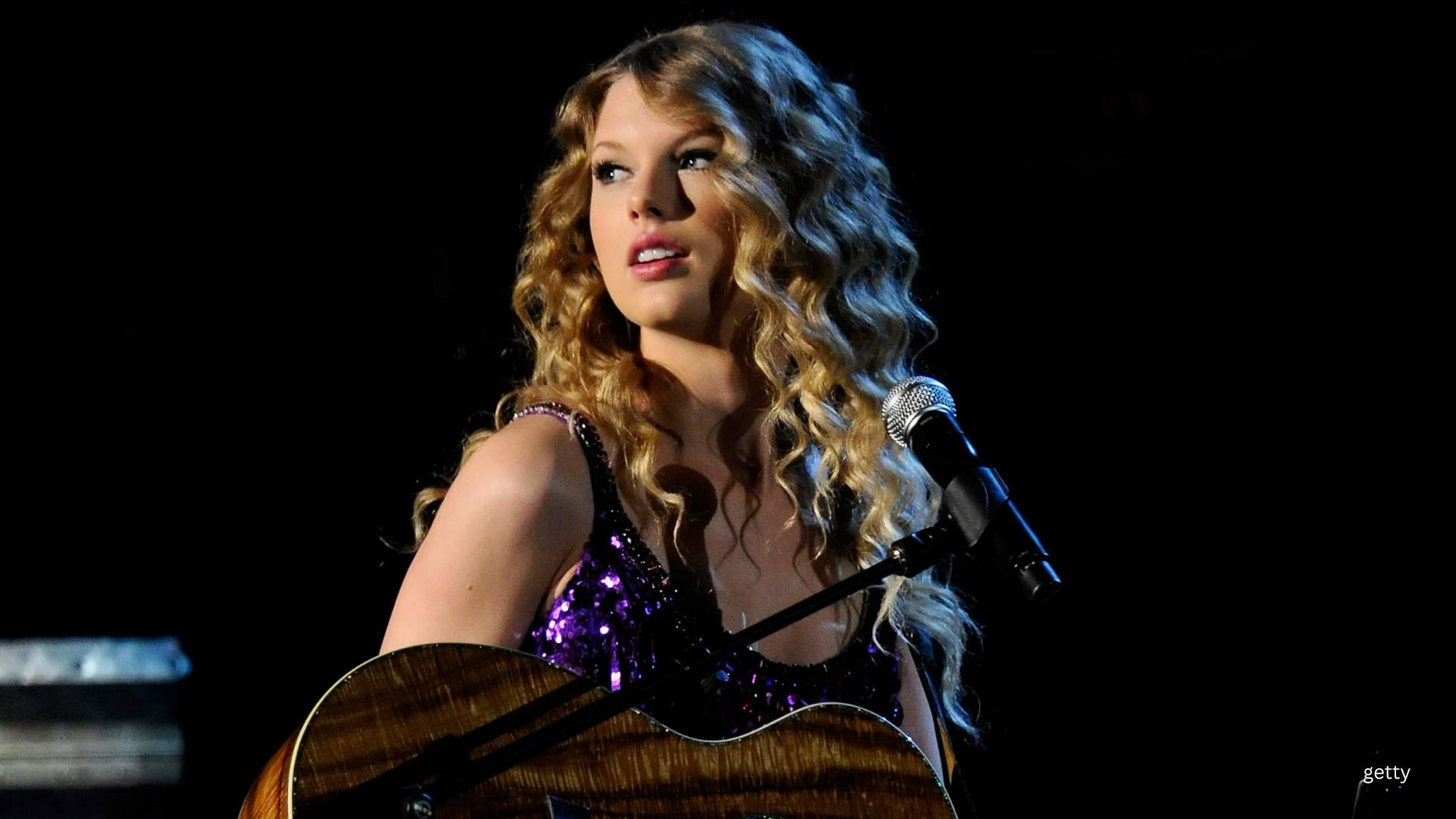
In a quiet but electric moment at a virtual press conference for her latest album, Taylor Swift voiced a belief that feels almost nostalgic in a world that is rapidly being reshaped by artificial intelligence. The 36‑year‑old singer‑songwriter, who has spent two decades redefining pop and country, emphasized that the heart of music remains in the human hands that create it. Her words, delivered to a global audience of fans and industry insiders, hit a chord that resonates beyond the surface of streaming numbers and chart positions. In an era where algorithms can craft melodies and bots can write lyrics, Swift’s insistence that the authentic human touch still “wins” carries implications for how we perceive artistry, ownership, and the future of music production.
The setting was the same virtual stage that hosted Swift’s promotion for “I Knew It, I Knew You,” the album that blends storytelling with a fresh sonic palette. As she reflected on the past year’s musical landscape, she singled out two albums that epitomize the power of human expression. Olivia Dean’s “The Art of Loving” and Rosalía’s “Lux” were more than just records for the singer; they were emotional anchors that reminded her why she remains drawn to the raw, unfiltered narratives that only people can write. Swift’s admiration for these works highlighted the way music can still serve as a mirror for lived experience—a concept she believes stands apart from machine‑generated output.
Her remarks come at a time when the industry is grappling with the dual pressures of commercial success and technological disruption. The proliferation of AI‑driven music tools has sparked debates over authenticity, royalties, and even the very definition of a “song.” Swift’s statement, therefore, is not just a personal endorsement of human artistry; it is a call to action for artists, producers, and listeners alike to recognize and protect the human element that breathes life into every chord and lyric.
Background & Context
Over the last twenty years, Taylor Swift’s career has mirrored the evolution of the music industry itself. From her country roots to her pivot into global pop, she has consistently adapted to new distribution models, from physical CDs to streaming platforms, while maintaining a distinct voice that feels personal and universal. This adaptability has kept her at the forefront of the market, but it has also made her a prominent figure in discussions about the future of music creation.
In recent months, the conversation around AI has become increasingly central. Machine learning algorithms can now analyze vast datasets of existing songs, learn patterns, and generate new compositions that sometimes pass for human-made. While the technology offers exciting possibilities for producers and independent artists, it also raises legal and ethical questions. Who owns an AI‑generated track? How should royalties be allocated? And perhaps most importantly, can a machine ever capture the spontaneity of a heartbreak or the nuance of a personal triumph that fuels a human songwriter?
Swift’s commentary intersects with these broader industry concerns. Although she did not mention AI explicitly in her remarks, she took proactive steps in April by filing trademark applications for specific audio clips of herself saying “Hey, it’s Taylor Swift” and “Hey, it’s Taylor,” along with a visual image of a stage performance. These filings suggest a strategy to guard her voice and likeness against potential misuse, a move that underscores the growing awareness of how digital identity can be exploited in the age of generative models.
The legal implications of such filings are significant. By securing trademarks on her vocal snippets and a recognizable stage image, Swift could potentially challenge both identical reproductions and “confusingly similar” uses in the marketplace. This position provides a new tool in the fight against unauthorized AI‑generated content, especially as the lines between genuine and synthetic become increasingly blurred.
What People Are Saying
Swift’s remarks have resonated differently across the spectrum of industry players. Fans have erupted on social media, praising the singer’s emphasis on genuine human connection. Many have shared personal stories of how Dean’s and Rosalía’s albums have touched them in ways they feel only a living artist could. These narratives underscore a broader sentiment: the desire for authenticity in a digital age.
Industry insiders, however, have expressed a more nuanced perspective. Some see Swift’s stance as a safeguard for human creativity, while others caution that overemphasizing human-made music could stifle innovation. Proponents of AI-driven production argue that technology can complement artists, offering new tools that expand creative possibilities rather than replace them. Others, however, see a threat to traditional revenue streams and intellectual property rights, pointing to the potential for AI to undermine the value of human labor in music.
Legal experts have taken particular interest in Swift’s trademark strategy. Trademark lawyers note that while the concept of registering a voice snippet is not entirely new, the application of such a claim to a protected vocal sound—especially in an AI context—is pioneering. The approach could set a precedent for other high‑profile artists, potentially shaping how the industry protects vocal identity in a landscape where synthetic voices can mimic any performance.
The broader conversation extends to how listeners perceive AI-generated content. Surveys indicate that a sizable portion of consumers still prefer music that feels emotionally resonant, an attribute they associate with human artistry. This consumer preference gives artists a tangible incentive to maintain the human element in their work, even as AI becomes more prevalent in the production pipeline.
What Happens Next
The immediate next step for Swift is to see how the trademark filings play out in the legal arena. Should any unauthorized use of her voice or likeness surface, she has a clear path to challenge it, potentially setting a new benchmark for artists seeking to protect their brand. The outcome of these filings could influence how other musicians approach the safeguarding of their vocal and visual identity.
For the industry at large, Swift’s comments could ignite a broader debate about the role of AI in music. Record labels and publishing companies may revisit their contracts and licensing agreements to incorporate clauses that address AI‑generated content. Musicians may seek to partner with technologists to develop ethical AI tools that complement rather than compete with human creativity.
In the cultural sphere, her emphasis on the enduring power of human-made music may encourage a resurgence of interest in songwriting craftsmanship. Workshops, masterclasses, and educational programs could see a rise in attendance as artists and listeners alike explore the nuances of human expression in music.
As for Swift herself, her latest album will continue to chart the emotional landscapes she is known for. The themes she explores—love, resilience, self-discovery—remain deeply personal and rooted in lived experience. Whether her music will incorporate AI elements remains to be seen, but her current stance suggests she will likely maintain a strong human core in her future projects.
Her declaration that “human beings are still winning” serves as a rallying cry for artists, fans, and industry stakeholders to preserve the authenticity that has defined the human music experience for generations. It reminds us that, even amid relentless technological progress, the essence of music remains a uniquely human pursuit.
The Bottom Line
MyWorldPulse.com views Taylor Swift’s trademark filings as a bold stand for the integrity of human creativity. By legally securing her voice and image, she protects not just herself but the broader artist community from the dilution that machine‑generated music threatens. While the technology behind generative models can expand sonic possibilities, it also risks commodifying the very human narratives that give music its emotional power. Swift’s action signals that authenticity must remain a core value, and that artists should retain control over their sonic fingerprints. It’s a reminder that the music industry’s evolution should not be measured solely by streaming numbers or algorithmic efficiency but by the depth of human connection that only living songwriters can provide. Our editorial stance is clear: artists deserve both protection and freedom to innovate, but that freedom must not come at the cost of the uniquely human touch that defines music’s soul.
Reference:
- Official post on Taylor Swift’s verified Instagram
Read more celebrity news at MyWorldPulse.