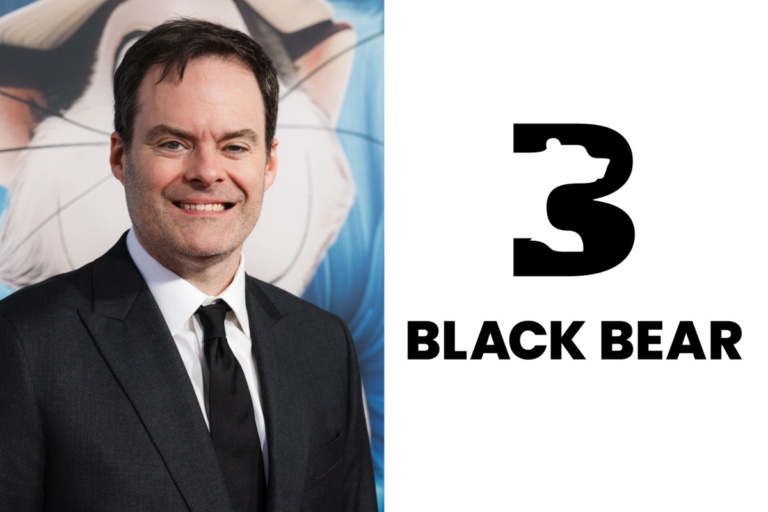
When the 57‑year‑old actor stepped onto the red carpet for the premiere of Hunger Games: Sunrise on the Reaping on November 17, he did more than simply greet cameras and fans. He announced, in one breath, that he was “great,” that he was “alive,” and that a year after being declared almost doomed by a severe bout of urosepsis, he was back in full swing. The words reverberated through the audience and the world of film, a reminder that even the brightest stars can stumble, but they can also rise again.
Billy Porter’s journey began months earlier, in September 2025, when a urinary tract infection that had been treated in the early part of the year spiraled into urosepsis—a life‑threatening condition that left him in a hospital bed, surrounded by monitors, and, at one point, in a coma. The medical emergency claimed a quarter of all sepsis cases in the United States, and for Porter, it was a frightening plunge into uncertainty. Yet the resilience he showed, both in recovery and in his return to the stage and screen, has become an inspiration for fans and medical professionals alike.
At the premiere, amid the buzz of the newest Hunger Games prequel, Porter’s voice carried a quiet triumph. “I’m great. I’m here. I’m alive,” he told reporters, adding that he was still feeling the “bite” of the illness but that the fight was ongoing. His declaration was not just a personal victory; it was a beacon for anyone grappling with the aftermath of sepsis, a reminder that recovery is possible, even when the road seems impossible.
Background & Context
Billy Porter first encountered the shadow of urosepsis in early 2025 while performing in the West End production of Cabaret. An infection in his urinary tract had seemed manageable at first, but treatment delays and the aggressive nature of the pathogen caused it to spread. Within months, the infection had entered his bloodstream, triggering septic shock and leaving Porter critically ill. He was hospitalized in an intensive care unit, and a brief but terrifying coma followed.
By September, Porter was still fighting for every breath. Hospital records show that the infection had reached the kidneys and heart, a scenario that can quickly become fatal if not addressed swiftly. When the news of his condition reached the public, it was shared by the actor himself through a heartfelt Instagram post in December 2025. In the message, he thanked his supporters for prayers and messages of love, acknowledging that he was “on the road to a full recovery,” though he did not claim to be finished. That message, simple and honest, captured the global community’s attention, turning a private crisis into a shared human story.
Porter’s recovery was not an overnight miracle. It required a team of doctors, nurses, and specialists working in concert to stabilize his organs and rebuild his immune system. He spent weeks in the hospital, with a gradual transition to outpatient care. His perseverance became a case study for how a patient can manage a severe infection that has already caused widespread organ damage. When he finally stepped off the hospital floor, his focus shifted to the next chapter of his career—filming Hunger Games: Sunrise on the Reaping.
The production team behind the new film quickly adapted to Porter’s needs. Producer Nina Jacobson, known for her inclusive approach, reportedly said, “Come as you are, and whatever you need, we’ll make sure that you have it.” Within two and a half weeks of discharge, Porter had already begun shooting. The set accommodated a special schedule, providing him with a private space to rest during the day and allowing for on‑call medical staff to be present. By the time he finished filming, Porter had returned to the role of Mango Stift with the same vigor that had first earned him a Tony Award for stage work.
The Hunger Games franchise, which has now entered its third installment in the cinematic timeline, continues to attract both new viewers and longtime fans. The latest prequel follows the story of the origin of the character Haymitch Abernathy, exploring the political intrigue of a dystopian future. Though critics have noted that the film is more meandering than the earlier Songbirds & Snakes installment, the direction of Francis Lawrence and the ensemble cast—including Jesse Plemons, Ralph Fiennes, Glenn Close, Kieran Culkin, and Elle Fanning—give it a distinct flavor. Porter’s presence adds a new dimension, his own experience with adversity mirroring the trials of the characters on screen.
What People Are Saying
Fans of Porter’s work have responded with a mixture of relief, admiration, and excitement. Social media platforms buzzed with messages thanking the actor for his openness, with many sharing their own stories of illness or recovery. The sense of solidarity felt by viewers across the globe underscores the profound impact that celebrity candor can have when it intersects with personal health struggles.
The film itself has sparked conversation among the Hunger Games community. While some reviewers have criticized its pacing and thinness, others highlight its lavish visual style and the emotional weight carried by its characters. In particular, the performance of the veteran actors has drawn praise, with Glenn Close’s commanding presence and Ralph Fiennes’ nuanced portrayal noted as standout moments. Porter’s cameo as a mentor figure to the younger protagonists has been seen as a subtle nod to his own journey—guiding others through darkness into light.
Industry insiders have taken note of Porter’s quick return to work. Casting directors and producers are intrigued by his ability to maintain a rigorous schedule while managing a complex health condition. In a recent interview, a casting executive remarked that “Porter’s professionalism and dedication make him an asset on any set, regardless of the role.” This perspective points to a larger conversation about workplace accommodations and the importance of inclusive policies that allow talent to thrive even when faced with serious medical challenges.
Moreover, health advocates have used Porter’s story to shine a light on the prevalence of sepsis. Data shows that in the United States, an estimated 750,000 people are diagnosed with sepsis each year, with nearly 40% of those cases stemming from urinary tract infections. Porter’s candid discussion of the diagnosis and treatment has galvanized support for more comprehensive screening and patient education, especially for those with underlying health conditions.
What Happens Next
Porter’s journey continues both on and off the screen. After completing his scenes for Hunger Games: Sunrise on the Reaping, he is scheduled to participate in a series of interviews and panel discussions focusing on health advocacy and the importance of early detection of sepsis. He has expressed a desire to collaborate with medical charities and to use his platform to increase awareness, particularly among underserved communities that often face delayed treatment.
Professionally, Porter’s next project is a television series that explores the transformative power of music and theater. The series, still in development, is set to air in the next calendar year and will feature an ensemble cast of seasoned performers and newcomers alike. Though the exact role remains undisclosed, insiders suggest that the character will dig into themes of resilience, identity, and community—an echo of Porter’s own life.
Meanwhile, the Hunger Games franchise will continue to expand. The upcoming installments aim to deepen the world’s lore, introducing new characters and storylines that intersect with the prequel’s narrative. Producers have hinted at more elaborate set designs and increased emphasis on character development, potentially addressing some of the critiques that the latest film received. For Porter, his involvement may remain a cameo or perhaps a more integral role, depending on the creative direction of the next chapter.
Porter’s health status, while still a matter of ongoing recovery, appears to be stable. He continues to follow a rigorous treatment plan and remains open about any setbacks. In an interview with a health organization, Porter noted, “I am still healing, but I am grateful for the progress I’ve made.” This sentiment, coupled with his upcoming public appearances, signals that the actor is ready to confront the future with the same boldness that has defined his career.
In the weeks ahead, audiences can expect a flood of new content: the release of Hunger Games: Sunrise on the Reaping, Porter’s upcoming health advocacy events, and the premiere of his new television series. All of these endeavors underscore the intersection of art, personal triumph, and public service, weaving together a narrative that transcends the silver screen and touches the everyday lives of millions.
The story of Billy Porter’s battle with urosepsis and his triumphant return to the spotlight serves as a powerful reminder: adversity does not define us; our response does. As the world watches him move forward—both as a star and as an advocate—his journey continues to inspire, challenge, and ultimately, humanize the experience of healing.
The Bottom Line
Billy Porter’s return to the limelight is more than a triumphant personal story; it’s a clarion call for the entertainment industry to institutionalize health‑first policies. His willingness to discuss the harrowing details of urosepsis—an often overlooked cause of sepsis—breaks the silence that surrounds serious illnesses, allowing audiences to see that even the most glamorous faces can confront mortality. By demanding accommodations on set, Porter has pushed producers to rethink scheduling and on‑call medical support, proving that talent can thrive with proper support. For fans, his narrative offers a powerful reminder that resilience is built not only in the face of physical recovery but also through advocacy that can change lives worldwide. The industry should take a cue: inclusive policies, transparent health discussions, and proactive screening are not just ethical obligations—they are business imperatives that protect talent, audiences, and reputations. MyWorldPulse applauds Porter’s courage and urges every studio, agency, and union to follow suit, turning personal triumph into collective progress.
— MyWorldPulse
Reference:
- Billy Porter’s Instagram recovery post
- Producer Nina Jacobson’s statement on set accommodations
Read more celebrity news at MyWorldPulse.