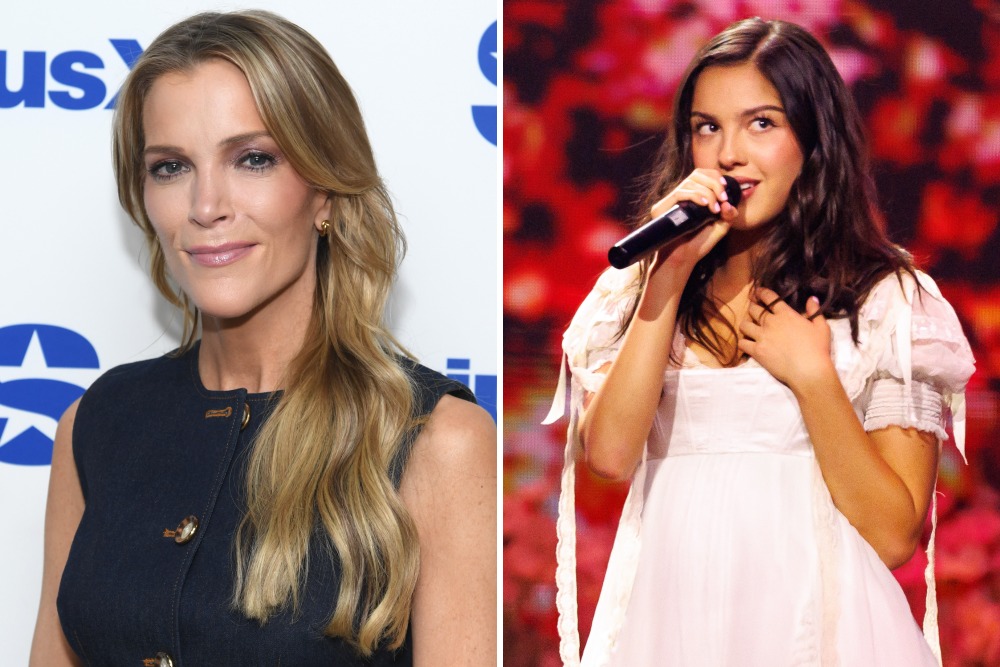
The air in the San Diego evening was electric, the kind that spills from the glowing screen of a phone into the cramped apartment of an overnight‑watching teenager. Olivia Rodrigo, still riding the wave of her breakout single “Drivers License,” posted a short clip on Instagram Live that read: “I’m proud to stand with the anonymous student behind the Cornell 7 case.” The word “support” echoed into a chorus of likes and retweets. A few minutes later, Megyn Kelly, former television anchor and outspoken commentator, slid into the frame of a livestream chat, the tone of her voice a sharp, almost surgical cut. She called the singer a “know‑nothing moron,” urged her to “sit down and be quiet,” and slammed the young star’s statement as a clueless blunder. The clash—short, 10‑minute, but packed with venom—sparked a flood of commentary across the internet, turning a single social‑justice stance into a flashpoint of pop‑culture drama.
Behind the heated exchange lies a larger story. The Cornell 7 lawsuit involves a group of students alleging discrimination by the university’s admissions office. Their anonymous voice has drawn national attention to institutional bias. Olivia Rodrigo’s involvement was unexpected; she was the first major celebrity to publicly align herself with the case, and her statement was the first major endorsement to reach a broad audience. Megyn Kelly, known for her controversial takes on politics and social issues, had previously called out public figures for perceived insensitivity. This confrontation was not simply a battle of words but a collision of two very different worlds: a young singer‑songwriter whose brand is built on authenticity and vulnerability, and a seasoned commentator whose career has hinged on unapologetic provocation.
In the days that followed, the clip traveled faster than a meme on Twitter. Hashtags like #SupportCornell7, #MegynKelly, and #OliviaRodrigo trended across platforms. Some fans of Rodrigo praised her courage, while others found Kelly’s dismissal harsh. Critics of Kelly’s commentary highlighted her past remarks that many deemed inflammatory, especially her repeated use of charged language against minority groups. Meanwhile, the Cornell 7 case gained additional traction as university administrators issued statements of intent to review admissions policies. The exchange between the two women became a focal point for discussions on the role of celebrity advocacy and the responsibility that comes with a platform.
While the public debate raged, another voice from the entertainment world reflected on a very different kind of regret. Raven‑Symoné, the former Disney Channel star who first captured audiences as the bright‑eyed “The Cosby Show” character Olivia Kendall, opened up on the “Allure Perspectives” podcast about her experience with two breast‑reduction surgeries she had undergone as a minor. At 15, she was told she needed the procedure to land a role; she also underwent liposuction to counter weight comments. The surgery, while physically successful, left her with scars, a seizure after anesthesia, and a lingering sense of having made a hasty decision. “I should have waited until I was older,” she said, a candid admission that resonated with many who have felt pressured to alter their bodies for fame. Her story adds a layer of nuance to the larger conversation about how celebrity status can shape personal choices and public perception.
The entertainment tapestry in which these stories unfold is further threaded by other voices. Van Hansis, the “General Hospital” actor who stepped into the role of Lucas Jones two years ago, celebrated his anniversary on the ABC soap with an Instagram carousel that highlighted his journey from the “As the World Turns” stage to Port Charles’ daytime drama. His reflection on the role’s unexpected depth, the friendships he forged, and the gratitude he felt for the opportunity showcased how career milestones can feel life‑changing, even for seasoned performers. Meanwhile, Marc Summers, the man who made “Double Dare” a staple of 1980s childhood, reminisced on a podcast about the show’s behind‑the‑scenes moments, the iconic slime, and his personal favorite episode featuring wrestling legends. His nostalgia underscored the power of media memories to bring comfort and community to viewers of all ages.
All of these stories—Kelly’s vitriolic retort, Rodrigo’s principled stand, Symoné’s candid confession, Hansis’s celebratory milestone, and Summers’s playful reminiscence—paint a mosaic of the modern celebrity experience. Each narrative speaks to the way public figures navigate scrutiny, personal regret, and the pressures of fame. The contrast between a heated political debate and a quiet, introspective confession illustrates the spectrum of moments that shape a celebrity’s public life. In the age of social media, even a single Instagram Live clip can ignite national discourse, while a 15‑year‑old surgical decision can ripple through generations of fans who seek authenticity.
Looking ahead, the fallout from Kelly’s 10‑minute clash will likely unfold on multiple fronts. Olivia Rodrigo may issue a follow‑up statement, further clarifying her position and perhaps extending support to the Cornell 7 case. Megyn Kelly’s reputation among her core audience remains intact, but she may face increased scrutiny from those who view her remarks as part of a broader pattern of divisiveness. The Cornell 7 lawsuit may see new witnesses or evidence brought forward, influenced by the heightened media attention. In parallel, Raven‑Symoné’s advocacy for body positivity may gain momentum as she partners with mental‑health organizations to share her story. Van Hansis may consider a guest appearance on a talk show to discuss his soap‑era experience, while Marc Summers could host a reunion special that celebrates “Double Dare’s” legacy.
From an industry perspective, these events reinforce the reality that celebrity voices can shape public sentiment as quickly as they can be criticized. The swift reaction to Kelly’s words demonstrates how the media landscape rewards immediacy, while Symoné’s more measured reflection shows that personal authenticity can still resonate even outside the glare of headline culture. The mix of celebratory milestones and reflective storytelling suggests a shift toward more nuanced engagement, where audiences crave depth over spectacle. Whether the fallout will lead to lasting change or simply a temporary stir remains to be seen, but it undeniably highlights the power of a single moment—whether it is a 10‑minute tweet, a 15‑year‑old surgery, or a nostalgic podcast—to ignite conversations that ripple far beyond the initial platform.
In a world where a clip can be shared in milliseconds and a single word can spark a wave of reactions, the scene set on a quiet Saturday night has unfolded into a broader dialogue about responsibility, authenticity, and the weight of influence. The clash between Megyn Kelly and Olivia Rodrigo may have started in a few short minutes, but the echoes of that exchange will linger in the cultural conversation for weeks, perhaps months, as each voice continues to shape the narrative of what it means to be a celebrity in the age of digital immediacy.
The Bottom Line
At MyWorldPulse, we see this episode not merely as a headline‑grabbing moment but as a litmus test for the celebrity‑activist model. Olivia Rodrigo’s swift, heartfelt support for the Cornell 7 case showcases the power that young artists wield in spotlighting injustice. Yet, Megyn Kelly’s vitriolic retort reminds us that advocacy is not a one‑sided conversation; it demands nuance, empathy, and a willingness to listen. The fallout—ranging from trending hashtags to calls for institutional policy reviews—highlights that the ripple effect of a single comment can reach university boards, lawmakers, and millions of followers. This intersection of celebrity, social media, and civil rights is reshaping how we consume news and how we hold public figures accountable. Our view: the industry must champion responsible storytelling, where influence is wielded with both courage and care. By fostering dialogue over division, we can harness the spotlight to create meaningful change rather than amplify polarization.
Reference:
- Olivia Rodrigo's Instagram Live post supporting Cornell 7
- Megyn Kelly's Twitter post reacting to Olivia Rodrigo’s endorsement
Read more celebrity news at MyWorldPulse.