SAG‑AFTRA Voice Actors Secure 12.6% Pay Rise After 94.95% Vote
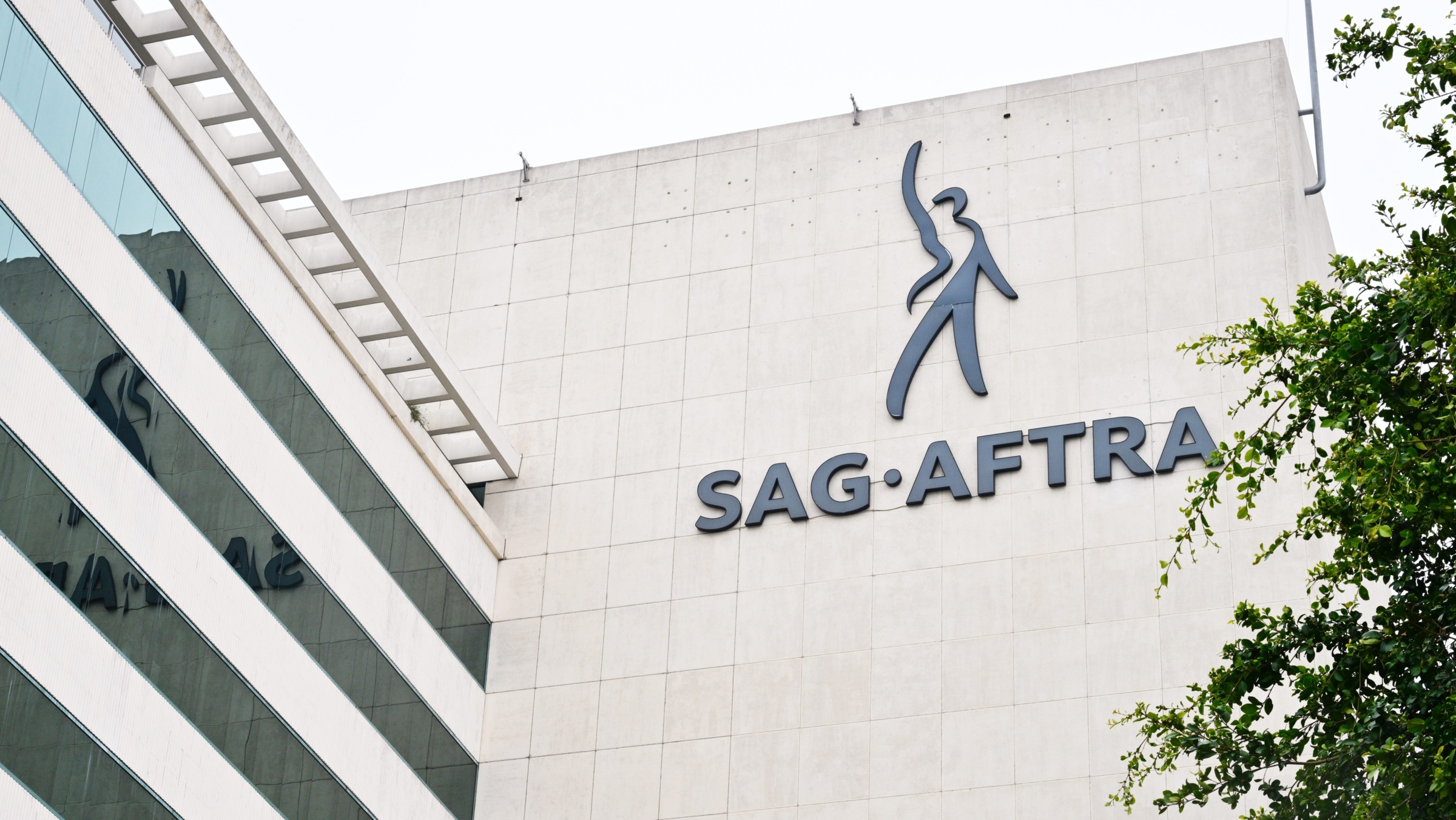
The collective voice of Hollywood’s animation talent finally found its own resonance as SAG‑AFTRA members across the country cast their ballots and overwhelmingly approved new four‑year contracts with the Alliance of Motion Picture and Television Producers. A staggering 94.95 percent of the union’s membership signed off on the 2026 Television Animation Agreement and the Basic Cable Animation Agreement, securing a 12.6 percent wage increase that will stretch over the contract’s full term. The deal also introduces enhanced protections around AI to guard creative work and outlines clearer residuals for streaming platforms, marking a comprehensive shift in how animated content is negotiated.
For the thousands of actors who bring cartoons to life—from the subtle nuances of a talking bear to the sharp wit of a sarcastic robot—this vote is more than a number; it is a tangible acknowledgment of the craft that fuels an industry that grew from Saturday morning cartoons to the binge‑worthy animation blockbusters that now dominate streaming services. The raise places voice talent on a footing that aligns more closely with the rest of the entertainment workforce, correcting a long‑standing discrepancy between the wages of on‑screen performers and those who work behind the microphone. Moreover, the clause on AI safeguards the integrity of each performance, ensuring that the use of synthetic voices or automated dubbing remains under clear contractual oversight.
The bargaining table that delivered this result had been a long, sometimes tense, journey. Negotiations that began in late 2023 were punctuated by debates over residuals for shows on both cable and streaming platforms, the classification of “in‑home” performances during a pandemic‑era, and the growing influence of artificial intelligence in post‑production workflows. In 2018, the union first approached a separate animation agreement, but it wasn’t until 2024 that a consensus emerged on a framework that balanced the need for creative protection with the economic realities of an industry pivoting toward digital-first distribution. The union’s leadership, after months of data gathering, member consultations, and back‑and‑forth with studios, felt confident that the new contracts would deliver lasting benefits for voice actors across all media.
Background & Context
The genesis of these contracts sits at the intersection of two pivotal trends: the explosion of high‑quality animated series in the streaming age and the rising concern about synthetic voice technologies. SAG‑AFTRA, formed in 2012 after the merger of the Screen Actors Guild and the American Federation of Television and Radio Artists, has historically championed performers across a spectrum of media. However, voice talent had long lagged behind their on‑screen counterparts in wage negotiations, often due to the perception that animation was a “secondary” medium. That perception has been reshaped by shows that now command massive budgets and audience followings, such as “The Mandalorian”’s spin‑offs and the revival of classic franchises in new animated forms.
A 12.6 percent wage increase is not merely a statistical bump; it reflects a recalibration of the industry’s valuation of voice work. In previous contracts, voice actors typically received a flat rate plus residuals that were minimal compared to those of live‑action performers. The new agreement ties a portion of the raise to inflation and provides a structured residual model that compensates actors on streaming platforms, where the number of viewers and the frequency of re‑exposures are often higher than on traditional broadcast schedules. Moreover, the clause on AI represents a proactive stance against the emerging risk of synthetic voices replicating an actor’s performance without proper remuneration or consent—a concern that has grown alongside the advancement of text‑to‑speech algorithms and deep‑fake technology.
The broader labor landscape has been a backdrop of parallel negotiations. In the past year, other guilds and unions have secured similar upgrades, and the entertainment industry has seen a wave of renewed attention to equitable compensation. The alignment of SAG‑AFTRA’s voice contract with the industry’s shift toward digital streaming and the inclusion of AI safeguards signals a trend that may influence future negotiations across the board, from writers to stunt performers. It also reflects an understanding that the creative workforce must be protected in an era where technology can both augment and potentially usurp artistic contribution.
What People Are Saying
Among the union’s members, the mood was one of triumph and relief. Thousands of actors celebrated the decision on social media, posting clips of their latest recordings, thanking the union for their steadfast advocacy, and expressing confidence that the new terms would finally level the playing field. Many noted that the agreement’s duration—four years—provides a stable framework for planning both personal and professional development, a welcome change from the often short‑lived and sporadic nature of previous contracts.
Producers and studio executives approached the news with cautious optimism. While they recognized the necessity of adapting to a new wage structure, they also acknowledged the need to balance budgets on projects that increasingly rely on high‑budget animation. Several industry insiders highlighted that the agreement will require a closer collaboration between casting departments and finance teams, as the cost of securing talent will now be more transparent and predictable. There was an awareness that the inclusion of AI protections would necessitate updated technical workflows and compliance checks, but many were ready to embrace these changes as part of a broader commitment to creative integrity.
Fans of animated content also reacted positively, particularly those who have followed long‑running series that have benefited from the union’s advocacy. Online forums and fan communities discussed the implications for future shows, with many viewers expressing hope that higher pay will attract more seasoned talent and improve the overall quality of performances. Some commentators noted that the move might even encourage studios to greenlight more ambitious projects, knowing that they have a reliable pool of actors who are now compensated in a way that reflects the importance of their contributions.
What Happens Next
With the contracts ratified, the next step is implementation. Studios and production companies must update their labor agreements to reflect the new wage rates and residual structures, a process that will involve legal teams and finance departments. The four‑year term means that, as of mid‑2026, voice actors will see the first full adjustment in their pay scales, with incremental raises built into the contract’s framework. This phased approach ensures that studios can accommodate budgetary shifts without abrupt financial strain.
The impact on upcoming animated series will be felt almost immediately. Producers will need to revisit casting budgets, potentially allocating more resources to secure high‑profile voice talent. The residual model now in place means that actors will receive ongoing payments as their work continues to generate revenue, especially from streaming platforms that often re‑stream shows years after their initial release. This new revenue stream could provide actors with more financial stability, allowing them to pursue diverse projects and take time to develop new characters.
Beyond the immediate financial effects, the contract sets a precedent for future negotiations. The inclusion of AI protections signals that the industry is acknowledging the evolving nature of performance technology, and future agreements may build on this foundation to address other emerging concerns, such as data privacy and digital rights management. For the union, this success could strengthen its negotiating position in upcoming discussions with other guilds and associations, potentially leading to more comprehensive industry-wide standards that benefit performers across the spectrum.
In a field where the invisible art of voice shapes entire worlds, the collective victory achieved by SAG‑AFTRA members is proof of the power of solidarity and strategic negotiation. It reminds us that every character’s dialogue carries weight beyond the screen—reflecting not only creative passion but also the right to be fairly rewarded for the talent they bring to life.
The Bottom Line
SAG‑AFTRA’s triumph underscores the power of solidarity and strategic negotiation. By securing a 12.6% raise and clearer residuals, the union has rightfully closed a long‑standing pay gap, elevating voice talent to parity with on‑screen actors. This move sets a precedent that should reverberate across the entertainment industry, encouraging other guilds to renegotiate contracts in a way that reflects the true value of creative labor. As the animation landscape shifts toward digital-first distribution, the new deal provides the financial foundation necessary to attract seasoned performers and nurture fresh talent alike. Ultimately, the agreement is a win for creators, producers, and fans—ensuring that the voices that bring beloved characters to life are rewarded fairly and consistently. —MyWorldPulse
Reference:
- Official SAG‑AFTRA announcement on verified Twitter
- SAG‑AFTRA press release on contract approval
Read more celebrity news at MyWorldPulse.