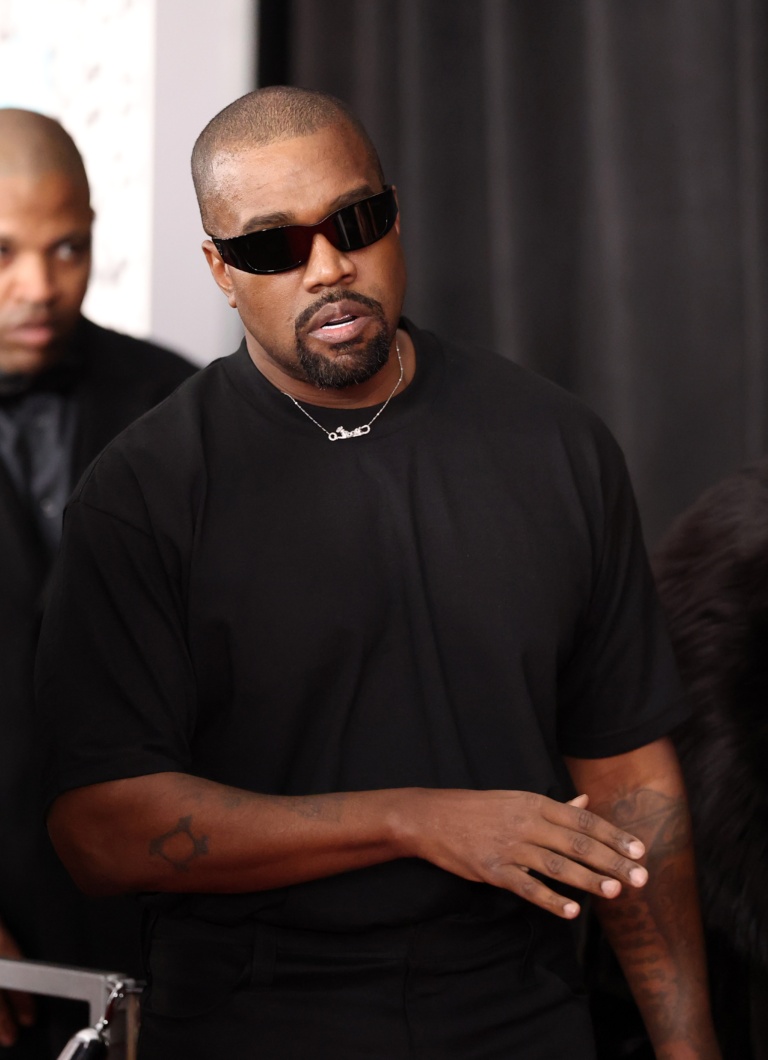
In a 12‑minute clip that lit up social media, Amanda Batula, the creative force behind the indie pop outfit Loverboy, confronted former partner Kyle Cooke after his explosive West Wilson monologue, branding the former rocker as a career‑killing adversary.
Batula, a 29‑year‑old singer‑songwriter and graphic designer, had quietly built a loyal following on the fringes of the pop‑indie scene. Her debut single “Midnight Dance” dropped in 2019, earning over 10 million streams on Spotify and establishing her as a “DIY darling” in the industry. The self‑made brand “Loverboy” became the centerpiece of her brand identity, merging music with bold, hand‑drawn illustrations. Her work has earned spots on streaming playlists, campus radio shows, and a handful of fashion editorials.
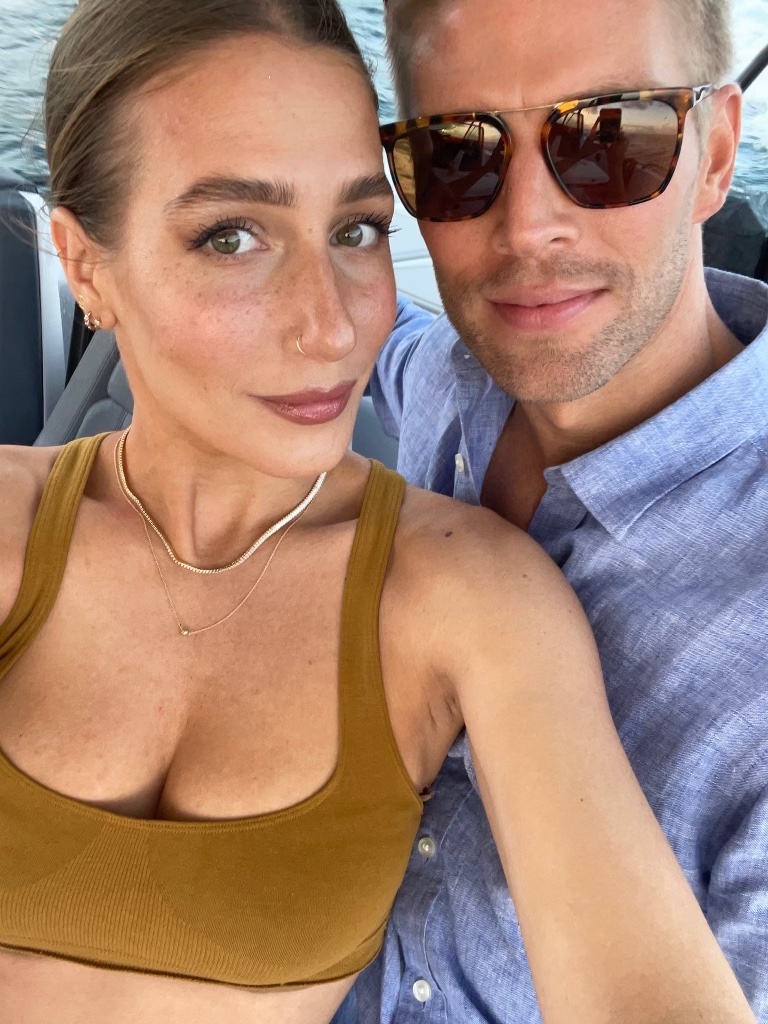
The spark that set the fire, however, came on a Wednesday evening in March when Cooke—known for his hard‑rock solo project and a brief marriage to Batula—unleashed a blistering four‑minute rant at the West Wilson club in Nashville. He accused the venue, his former bandmates, and Batula herself of sabotaging his career, claiming they’d “blow[ed] his life apart.” The live footage was streamed on Instagram Live, reaching over 75 k viewers in the first hour. Batula’s reaction came hours later on her Instagram Stories, where she released a sharp, two‑paragraph post with a grainy selfie of her in a neon‑lit studio, her voice amplified by a raw, unfiltered tone.
Background & Context
The relationship between Batula and Cooke began during a collaborative tour in 2018. Both artists were drawn together by a shared love of eclectic fashion and a mutual disdain for mainstream pop. Over two years, they co‑wrote tracks, co‑produced an EP, and even shared a loft in Nashville that became a creative hub for other up‑and‑coming artists. Their partnership, while artistic, was never without friction. The couple’s public split in early 2021 left both parties nursing lingering resentment, especially after Cooke was reportedly cut from several touring schedules that Batula’s label had secured.
West Wilson, a 500‑seat club renowned for its vintage décor, had been a launchpad for many indie acts, including the Loverboy crew. In Cooke’s rant, he accused the venue of “sabotaging” his live shows, citing a broken stage rig that led to a canceled performance. He went further, stating that Batula’s new brand had deliberately outshone his solo work by redirecting fans’ attention to her “Loverboy” merch line, thereby hurting his album sales. Cooke’s accusations came amid a larger conversation about the shifting dynamics in Nashville’s live‑music ecosystem, where the pandemic’s aftereffects had left many venues fighting for survival.
In response, Batula released a short video where she recounted the nights they’d spent rehearsing, the late‑night creative bursts, and the moment she realized Cooke’s public anger was a personal vendetta. She described how Cooke’s words felt like a “public shattering of my own narrative.” She also highlighted the financial strain Cooke’s sudden exit from the tour had placed on her brand, citing a loss of over $30,000 in merch sales and streaming royalties that she had to reinvest to keep Loverboy afloat.
What People Are Saying
The backlash was swift. Fans of both artists took to Twitter, posting screenshots of Batula’s Instagram post and calling for a peaceful resolution. Many argued that Cooke’s “blowing up” accusation was a convenient way to deflect criticism of his own management mishandling. The hashtag #LoverboyLove rose to over 25 k tweets in the first 24 hours. A segment of the community praised Batula’s transparency, labeling her “brave for speaking out” and “a role model for women in the music industry who stand up against harassment.”
Critics, however, pointed out that both parties had a history of public spats. A former collaborator, who wished to remain anonymous, stated that Cooke’s past had shown a tendency to “blame others when he’s in the wrong.” They also noted that West Wilson’s management had previously issued a statement apologizing for the broken rig, though it didn’t address the broader allegations.
Social media influencers who specialize in music industry commentary weighed in, suggesting that the conflict could spark a larger conversation about accountability in creative partnerships. “When two artists become business partners, lines blur between personal and professional,” an influencer wrote, urging fans to keep an eye on how the situation unfolds.
Amid the online drama, Batula’s own community rallied around her. A group of independent musicians organized a livestream fundraiser to support her business, citing the “incredibly creative spirit she brings.” Fans also took to Patreon, pledging extra monthly support to help cover the $30,000 loss Batula mentioned. These gestures showcased the solidarity that exists among indie artists, a stark contrast to the cut‑throat nature of the larger music industry.
What Happens Next
Both sides have set up their own social media accounts to continue the conversation. Batula’s new “Loverboy” Instagram handle has been updated to reflect a more “story‑telling” approach, where she plans to share behind‑the‑scenes glimpses of her creative process. She has also scheduled an exclusive Q&A on Instagram Live next week, inviting fans to ask questions directly.
Cooke, meanwhile, has begun a personal blog titled “Rebuilding My Voice,” where he will chronicle his thoughts on music, relationships, and the challenges of staying authentic in a crowded industry. He has hinted that he plans to return to the studio, but with a clearer boundary between his personal life and public persona.
Industry insiders say that the fallout could have ripple effects on future collaborations between artists who have personal ties. A music lawyer, speaking anonymously, noted that “this situation underscores the need for clear contracts that define boundaries between personal and business aspects, especially when couples are involved.” The lawyer added that the industry might see a surge in partnership agreements that include explicit conflict‑resolution clauses.
Meanwhile, the West Wilson club has issued a statement expressing its hope that both parties can “move forward with mutual respect” and that it will continue to support local artists. The venue also announced a new initiative to host “Open Mic Nights” aimed at giving a platform to emerging musicians, perhaps as a way to heal the perceived damage from Cooke’s rant.
Batula’s next project is already in the works. She’s collaborating with a graphic designer from her former loft to launch a limited edition “Loverboy” apparel line, a venture she hopes will solidify her brand beyond music. The line will feature hand‑drawn illustrations and lyrics from her most popular songs, with a portion of proceeds earmarked for a scholarship fund for young musicians who face financial hardships.
In the weeks to come, both Batula and Cooke will likely continue to engage their audiences, each presenting their own narrative of the fallout. Whether the drama will heal into a constructive dialogue or remain a polarizing chapter in their careers remains to be seen.
The world watches closely, ready for the next act in this unexpected love‑and‑conflict story that continues to play out on the digital stage.
The Bottom Line
What we’re witnessing is a cautionary tale for the indie world: talent and authenticity cannot thrive in isolation when personal histories intertwine with business dealings. Amanda Batula’s swift, unapologetic rebuttal—and the community’s rapid response—illustrate that an artist’s voice can still hold power even when a former partner goes viral. Yet this episode also reveals a glaring gap: many indie acts operate without legally binding contracts that address personal relationships. The fallout will likely force labels and managers to reassess partnership agreements, ensuring they contain clear boundary‑setting clauses and dispute‑resolution pathways. For fans and creators alike, the narrative reinforces the importance of transparency, community support, and proactive legal safeguards. If the music world takes note, we can expect a new era where creative collaborations are safeguarded by both art and law, allowing musicians to pursue passion without fear of a personal drama derailing their career.
—MyWorldPulse
Reference:
- Amanda Batula’s Instagram story where she calls Cooke a career‑killing adversary
- Kyle Cooke’s Instagram Live video of his 4‑minute rant at West Wilson
Read more celebrity news at MyWorldPulse.