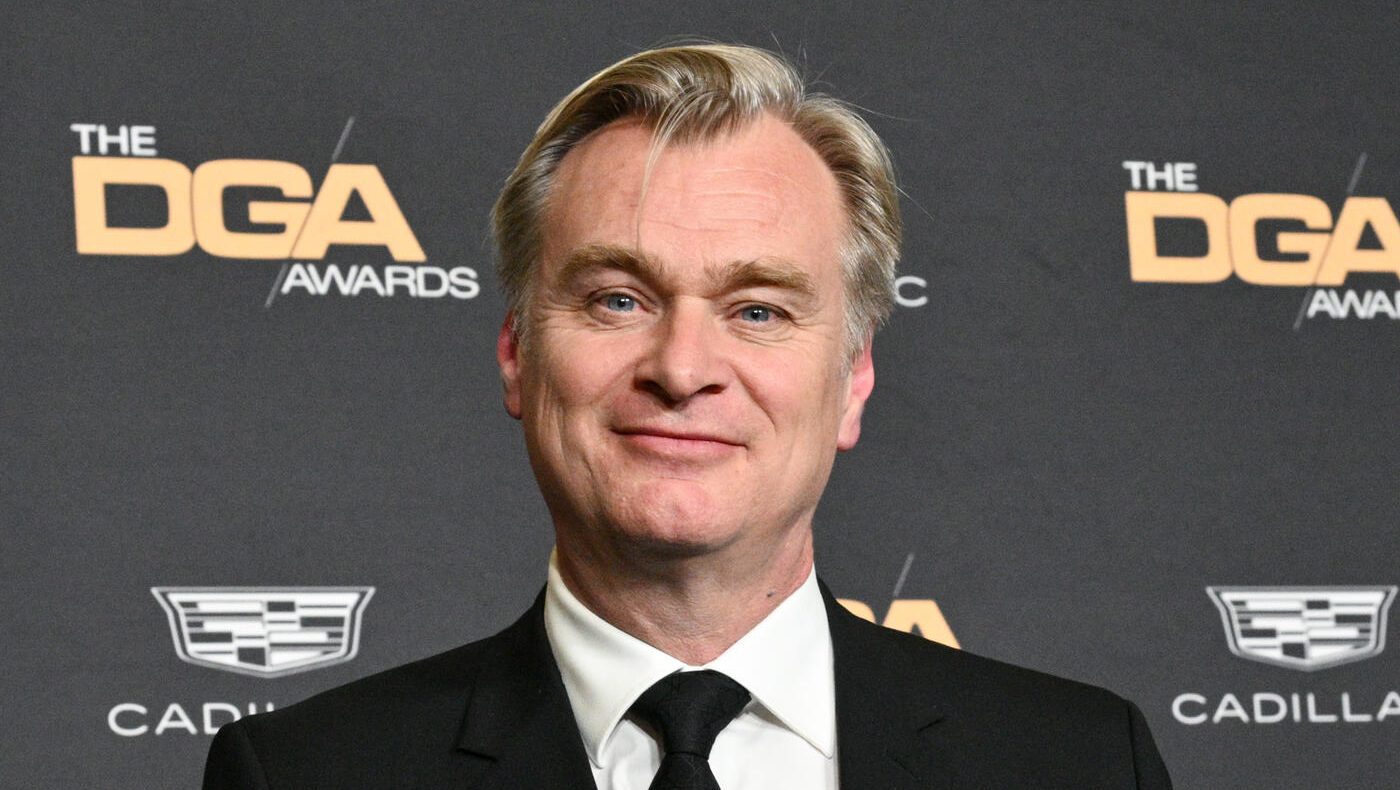
Christopher Nolan slammed studio walls, demanding they defend his films against a growing tide of digital replication systems that can re‑create scenes in seconds. In his first speech as president of the Directors Guild, the two‑time Oscar winner called out the studios for their complacency, saying it was “down to the studios” to take action against unauthorized reproductions of their work. He noted that he had recently added anti‑replication boilerplate to the guild’s new contracts, a move that could force production companies to tighten their licensing language and enforce stricter penalties for those who attempt to copy a director’s vision. This push comes as Hollywood faces a broader shift: more and more filmmakers fear that their creative labor could be duplicated without consent, while audiences worldwide still flock to cinemas for the experience of seeing a film on the big screen. At the same time, another creative crisis is brewing in the comedy‑musical sector. U2 guitarist The Edge, whose real name is David Evans, reportedly penned a sequel to the 2003 holiday hit “Elf” that never saw the light of day. He told a podcast host that he had written the script but “petered out,” suggesting that even established talent can struggle to bring a fresh vision to production. These two stories—Nolan’s fight for control and The Edge’s abandoned sequel—highlight a pattern of creative and legal uncertainty that echoes beyond the silver screen. And for movie lovers on the move, a recent list of the 42 best gifts for travelers points to a new market segment: people who spend their vacation time chasing blockbusters and premieres, looking for gadgets that enhance the cinematic experience on the go.
Background & Context
The Directors Guild has long served as a protective shield for creators, negotiating fair terms and ensuring that the artistic integrity of a film is maintained. Nolan, who has already won Oscars for “The Dark Knight” and “Inception,” is the first director to ever hold the presidency in the modern era. His tenure began in early 2024, and he has already taken on issues ranging from the rise of streaming platforms to the growing challenge of protecting intellectual property in an era of rapid content duplication. When he introduced the anti‑replication clause in his inaugural address, he referenced a handful of high‑profile cases where studios were sued for failing to stop the unlicensed use of their footage on online platforms. The clause will now require all guild‑affiliated projects to include a detailed statement that prohibits the use of a film’s audio‑visual content without explicit, written approval from the director and studio. The move is expected to create ripple effects across the industry: producers will need to renegotiate distribution contracts, while post‑production houses may be asked to implement new safeguards to detect and flag unauthorized copies.
The film industry has been grappling with creative blocks and market volatility for decades. The Edge’s unfinished “Elf” sequel is an example of how even well‑received projects can stall when key creative partners become disengaged. The original 2003 movie, starring Will Ferrell, was a commercial success, earning $220 million worldwide, yet the sequel’s failure underlines a broader reality: that fan expectations can outpace a studio’s ability to deliver, especially when new scripts are caught in an endless cycle of rewrites. Similarly, the recent list of 42 top gifts for travelers—highlighting everything from premium luggage to tech‑savvy travel organizers—suggests that audiences increasingly value experiences that combine leisure with technology. For film marketers, the intersection of travel and cinema presents both a challenge and an opportunity: as people plan trips around premiere events, they also look for gadgets that improve their on‑the‑go viewing. The trend indicates a consumer base that is ready for products that enhance the movie‑going experience, whether they’re flying to Hollywood for a red‑carpet debut or riding a train through Europe to catch the latest indie release.
What People Are Saying
Industry insiders have weighed in on Nolan’s push with a mixture of support and caution. Some directors appreciate the new safeguard, noting that it could deter companies from exploiting their work without proper remuneration. Others argue that stricter clauses could complicate post‑production workflows, as editors and visual effects teams would need to navigate an additional layer of legal scrutiny before finalizing a cut. Meanwhile, producers have expressed concern that the new language may slow the already lengthy process of securing distribution deals, potentially putting projects on hold. At the same time, the conversation about The Edge’s abandoned sequel has sparked debate among musicians and film executives about the viability of crossover projects. Those in favor contend that a musical figure like The Edge brings a fresh perspective that could revitalize a franchise, whereas critics point to the risks of misalignment between a band’s identity and a family‑friendly film’s tone. In a broader cultural context, the 42‑gift list has been praised for its thoughtful curation, offering a one‑stop shop for travelers who want to bring a touch of cinema to their journeys. Travel writers who read the list note that a well‑chosen travel gadget can elevate the enjoyment of a film, whether it’s a compact projector for backyard screenings or noise‑cancelling headphones for crowded flights. The intersection of these viewpoints paints a picture of an industry that is both protective of its creative assets and eager to tap into new revenue streams.
What Happens Next
The next phase of Nolan’s initiative will involve the guild’s legal team working closely with studios to update contractual language across all upcoming projects. Within the next six months, the DGA is expected to release a detailed guide on how to draft and negotiate the anti‑replication clause, which will become the standard for all guild‑affiliated productions. Studi es, in turn, may need to reassess their current licensing agreements with distributors and digital platforms, ensuring that they can enforce the new provisions without infringing on existing commitments. Parallel to these legal maneuvers, the conversation about The Edge’s cancelled “Elf” sequel could inspire studios to develop more robust project management practices, ensuring that a script’s life cycle is tracked from inception to completion. Such practices may include regular creative checkpoints and clearer communication pathways between writers, directors, and producers. On the consumer side, the travel‑gift trend may prompt brands to design products that cater specifically to film enthusiasts, blending functionality with cinematic flair. This could lead to collaborations between travel gear manufacturers and film studios, creating branded accessories that double as marketing tools for upcoming releases. Ultimately, the industry’s response to both the protection of creative works and the management of film‑related travel experiences will shape how audiences engage with cinema in the coming years.
In a world where the line between original creation and instant duplication is thinning, Nolan’s bold stance signals a turning point: the studios, the guild, and the wider creative community must now navigate a new era of protection and innovation, ensuring that the magic of filmmaking remains both safeguarded and accessible to the next generation of moviegoers.
The Bottom Line
The film industry has long balanced artistic freedom with commercial pragmatism, but Nolan’s aggressive stance forces us to ask: is protecting a director’s vision worth the cost of slowed production and tighter controls? The anti‑replication clause may serve as a vital shield against a flood of low‑effort digital copies that threaten to dilute the cultural value of cinema. However, the clause also risks alienating studios that rely on flexible distribution agreements and could inadvertently stifle innovation by imposing legal hurdles that delay projects from conception to screen. Ultimately, the industry must find a middle ground—enforcing intellectual property rights without stifling the collaborative, iterative nature of filmmaking. This debate is not just about protecting revenue; it’s about preserving the creative ecosystem that audiences cherish. MyWorldPulse believes that the future of cinema hinges on nuanced, industry‑wide solutions that respect both artistic integrity and the practical realities of global distribution.
Reference:
- Official post on Christopher Nolan's verified Twitter account
Read more celebrity news at MyWorldPulse.