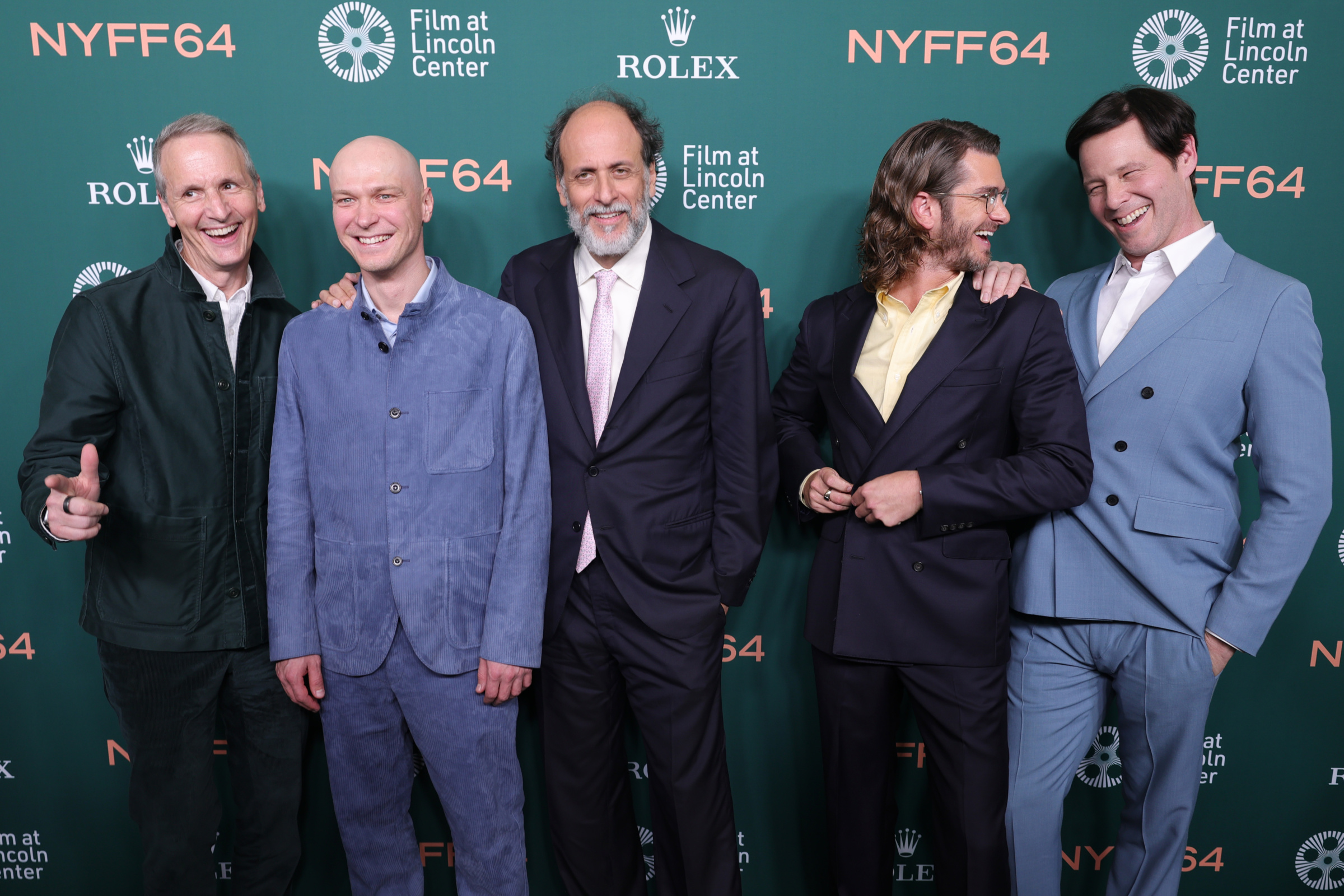
A handful of hours of archival footage, the glow of a laptop screen, and a 34‑year‑old actor’s relentless pursuit of authenticity converge to paint Andrew Garfield not as a sympathetic hero, but as the charismatic threat at the helm of OpenAI. The film, titled Artificial, positions Garfield as Sam Altman, the co‑founder and CEO who was temporarily ousted and then persuaded to re‑assume control in a whirlwind five‑day saga that echoes the very drama of the technology world.
For the past year, Garfield has been on a mission. He listened to interviews, podcasts, and every public appearance Altman made, searching for that elusive blend of earnest intent and underlying ruthlessness. The result is a performance that feels less like a biopic and more like an exposé, with the actor’s doe‑eyed charisma underscored by a calculated, almost nihilistic, vision for the future of human data. The film is already being promoted as an Oscar contender by Neon, a studio that once backed The Social Network—the same project where Garfield portrayed Mark Zuckerberg, a role that earned him widespread recognition fifteen years ago.
The premise is deceptively simple: a man who built an AI platform, a man who was booted out, a man who came back in. Yet the stakes are far higher than corporate boardrooms. The narrative examines how the very tools meant to extend humanity’s reach can also become instruments of control. Garfield’s portrayal forces audiences to confront the uncomfortable question: can a charismatic leader wield the power of AI for both progress and peril?
Background & Context
The story of Sam Altman is rooted in the rapid ascent of AI technology. As the CEO of OpenAI, Altman has been a central figure in the global conversation about the ethical implications of powerful language models. His sudden departure—amid questions over strategic direction and governance—generated headlines and sparked debate among technologists, policymakers, and the public. Five days later, negotiations and a public statement brought him back into the fold, a move that many interpreted as proof of both his influence and the vulnerability of the organization’s leadership structure.
Andrew Garfield’s journey to embody Altman began with a deep dive into the man’s public persona. He reviewed countless interviews, scrutinized Altman’s posture in meetings, and analyzed the subtleties of his speech patterns. The actor’s method extends beyond mimicry; he sought to distill Altman’s motivations, the underlying calculations that drive a man who has navigated the complex intersection of innovation and risk. While the film’s script frames Altman as a calculated figure, the director’s choice to cast Garfield—known for his nuanced performances—signals an intention to explore the character’s internal contradictions.
Neon’s decision to promote Artificial as an Oscar contender is a nod to its past successes in the tech‑drama genre. The studio’s previous work on The Social Network demonstrated a keen eye for storytelling that balances human ambition with corporate spectacle. By pairing Garfield in a supporting role with Yura Borisov as the lead, Neon aims to create a dynamic interplay that captures the tension between visionary ambition and the societal consequences of unchecked technological power.
What People Are Saying
Industry insiders have reacted to the announcement with a mixture of excitement and caution. The film’s premise, centered on a charismatic yet potentially perilous leader, resonates with current concerns about AI governance. Some viewers anticipate that Garfield’s performance will challenge audiences to rethink the archetype of the “visionary founder” and its implications for collective autonomy.
Critics who have previewed early footage describe Garfield’s transformation as both meticulous and unnervingly compelling. The actor’s choice to emphasize Altman’s doe‑eyed charm—a trait that could mislead colleagues into underestimating his agenda—has sparked discussions about the persuasive power of public personas in tech leadership. The film’s portrayal of the five‑day return underscores the fragility of leadership succession in companies that sit at the frontier of digital innovation.
Social media chatter has already begun to reflect a broader conversation about how narratives around AI are shaped. Fans of Garfield’s earlier work note the actor’s consistent ability to capture complex, often morally ambiguous characters. The current project, they suggest, may elevate this trend, inviting viewers to question whether charisma alone can serve as a safeguard against potential misuses of technology.
What Happens Next
Artificial is slated for a limited theatrical release before a wider digital launch, with festival screenings scheduled for the upcoming awards season. Neon’s marketing campaign highlights Garfield’s performance and the film’s provocative themes, positioning it for both critical acclaim and audience engagement. Behind the scenes, the production team has been careful to maintain fidelity to Altman’s public narrative while still allowing creative liberties that emphasize the story’s dramatic core.
As the film moves closer to its premiere, there is an anticipation of how industry stakeholders—tech executives, policymakers, and advocacy groups—will respond to its depiction of AI leadership. The dialogue generated by Artificial could influence public discourse on regulation, transparency, and the ethics of deploying large-scale language models. Moreover, the film’s success may inspire further cinematic explorations of the personalities who drive technological revolutions, especially those whose decisions reverberate beyond corporate walls.
For Andrew Garfield, this role marks a return to the techno‑drama genre, following his portrayal of a tech magnate fifteen years earlier. The contrast between Zuckerberg and Altman offers a rich exploration of two different visions of digital power. It remains to be seen how audiences will interpret the nuanced performance, but the film is poised to spark conversations about the intersection of charisma, ambition, and responsibility in an age where data is both a commodity and a weapon.
The final curtain call will likely hinge on whether viewers perceive Artificial as a cautionary tale, a celebration of visionary daring, or a blend of both—a reflection of the complex, often contradictory nature of those who shape the future. The world is watching, and the film is ready to deliver its message.
The Bottom Line
‘Artificial’ isn’t just another tech biopic—it’s a call to action. Andrew Garfield’s performance strips away the myth of the infallible tech genius, revealing the human cost of ambition. By spotlighting Altman’s 5‑day coup, the film forces audiences to confront how charismatic leadership can both drive innovation and erode ethical safeguards. For the industry, this is a wake‑up call: storytelling must keep pace with the rapid evolution of AI, offering audiences a balanced view that encourages scrutiny rather than blind idolization. MyWorldPulse.com believes that cinema should illuminate the hidden dynamics of power, and ‘Artificial’ does just that, making it a must‑watch for anyone invested in the future of technology. —MyWorldPulse.com
Reference:
- Andrew Garfield’s official Twitter post about 'Artificial'
Read more celebrity news at MyWorldPulse.