When the word “Bunker” slipped onto the internet, the online community that follows Penélope Cruz and her husband‑director Javier Bardem went into overdrive, their comments swirling in real time. The same day, Adam Driver’s frustration over Disney’s decision to scrap his long‑deliberated sequel “The Hunt for Ben Solo” found a chorus among Star Wars enthusiasts, while in Thessaloniki a new wave of chatter erupted around Jacqueline Lentzou’s prize‑winning Greek feature “A Day in the Life of Jo: Chapter Phaedra.”
The three stories, though rooted in different corners of the film world, all center on creative tensions and the ripple effects that decisions in production can have on both the artists involved and their audiences. What follows is a look at the circumstances that brought these headlines to light, how the public is responding, and what the future holds for each of the projects.
Background & Context
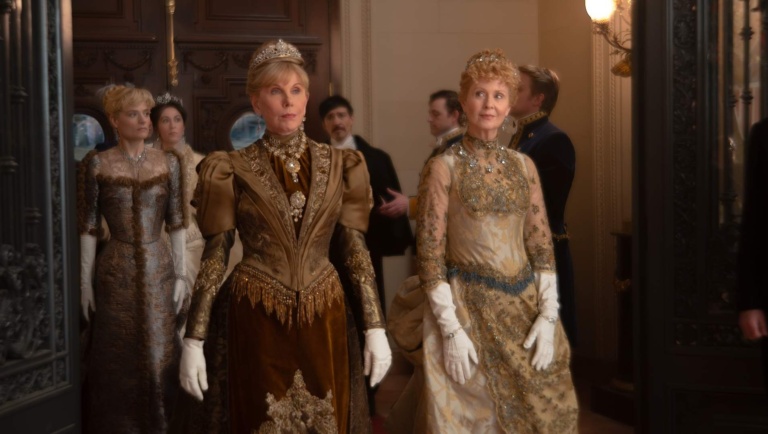
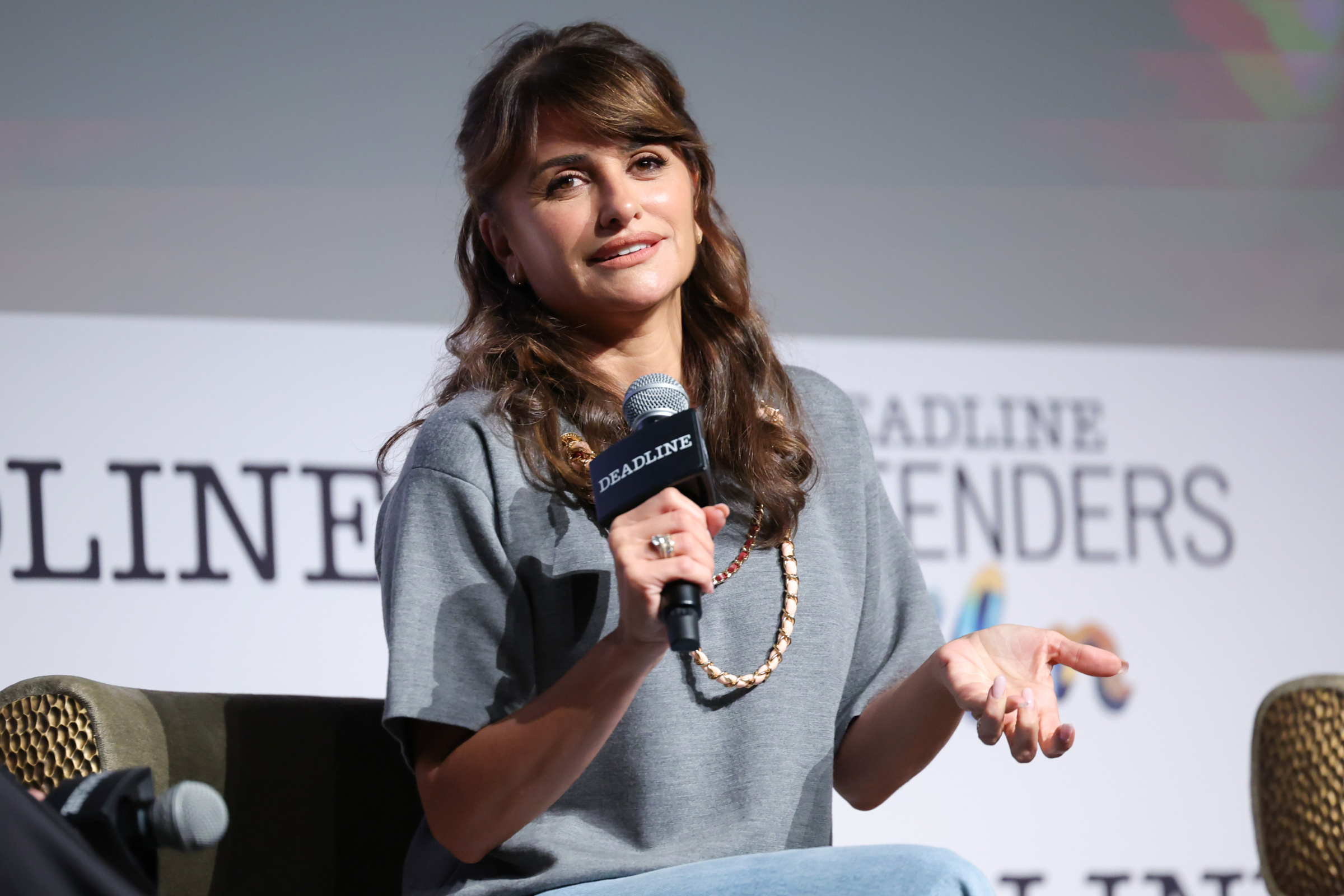
Penélope Cruz’s apprehensions surfaced when she joined her on‑screen counterpart, the ever‑steady Javier Bardem, for the intimate drama “Bunker,” a film by French director Florian Zeller. Their partnership has been described as a rare, unplanned reunion: the couple meet on set roughly every five or six years, rather than following a strict schedule. Cruz has spoken candidly about the delicate balance of maintaining a solid personal relationship while sharing a scene that demands a raw, vulnerable portrayal of a fractured marriage. She warned that the “fragile” dynamic between the husband‑and‑wife leads on the film could seep into their own life if not handled with care.
Across the globe, Adam Driver’s experience with Disney’s “The Hunt for Ben Solo” mirrors a different type of creative clash. After investing two‑and‑a‑half years in developing the Star Wars sequel alongside director Steven Soderbergh, Driver publicly described Disney’s abrupt cancellation as “criminal.” The decision came after years of negotiations and a script that sought to explore the character of Ben Solo from a new angle. Driver’s outburst highlighted the tension between artistic vision and studio mandates, especially in a franchise that has become a cultural touchstone for millions.
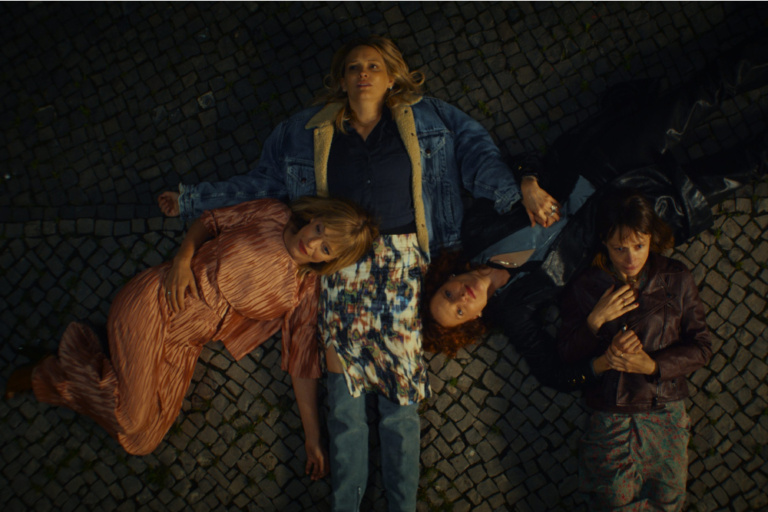
In the Mediterranean, the buzz surrounding “A Day in the Life of Jo: Chapter Phaedra” follows its success at the Venice Film Festival, where the Greek filmmaker’s work earned a prize and garnered critical acclaim. The film’s exploration of identity through the eyes of a teenage girl has resonated with international audiences, and its homecoming at the Thessaloniki Film Festival marks a significant milestone for Lentzou’s career. Here, the stakes are less about studio politics and more about representation and the broader conversation on contemporary Greek cinema.
What People Are Saying
Fans of Penélope Cruz and Javier Bardem flooded social media with supportive comments, applauding their courage to tackle such a nuanced subject. Many noted how the couple’s real‑life partnership could lend authenticity to “Bunker’s” portrayal of marital strain. Others expressed concern that the film’s emotional intensity might test their personal bond, echoing Cruz’s own caution. The discussion spanned beyond Spanish cinema circles, touching on how couples in the industry manage the boundary between on‑screen chemistry and off‑screen reality.
Meanwhile, the Star Wars community’s response to Driver’s frustration was swift. Commenters voiced frustration at Disney’s decision, some agreeing that the studio had undervalued a story that could have added depth to the franchise. Others defended Disney’s stance, citing budgetary constraints and market considerations. The debate illuminated the complex relationship between creators and the corporate structures that fund their visions, a dynamic that has become increasingly visible in the era of blockbuster franchises.
The Greek film’s reception in Thessaloniki was overwhelmingly positive. Attendees at the festival’s main competition expressed admiration for Lentzou’s “emotional journey” of an ordinary yet remarkable teenager, noting that the film's universal themes had a particular resonance in a region that has long grappled with its own identity questions. Critics praised the director’s ability to weave cultural specificity with a narrative that feels both intimate and expansive, positioning the film as a potential contender for the festival’s top honors.
What Happens Next
For “Bunker,” the next steps involve a limited release that will test the market’s appetite for intimate dramas featuring high‑profile Spanish actors. The production team plans to engage in targeted marketing, leveraging Cruz’s and Bardem’s reputations to attract audiences who appreciate sophisticated storytelling. The actors’ continued collaboration could set a precedent for other couples in the industry, providing a framework for balancing personal and professional demands.
In the Star Wars saga, Driver’s project remains on hold, with no clear path to revival. The studio’s decision to cancel “The Hunt for Ben Solo” opens a discussion about future projects that may be more tightly aligned with Disney’s vision and financial expectations. Industry insiders speculate that the franchise might turn to other narratives that fit the brand’s commercial model, potentially sidelining the more experimental approach that Driver and Soderbergh had envisioned.
At Thessaloniki, “A Day in the Life of Jo: Chapter Phaedra” will continue to compete for top honors, providing Lentzou with a platform to showcase her talent to a broader audience. A successful run could lead to international distribution deals, and perhaps inspire a new wave of Greek filmmakers to pursue stories that blend personal introspection with universal appeal. The film’s trajectory will be closely watched by festival juries and distributors alike, as it stands as proof of the power of cinema to reflect and shape cultural narratives.
In a world where creative ambition often clashes with commercial realities, these three stories illuminate the varied ways in which artists, studios, and audiences interact. Whether it is a couple navigating the pressures of on‑screen vulnerability, a star negotiating the boundaries of a beloved franchise, or a filmmaker carving a space for her voice in international cinema, the shared thread remains: the enduring impact of storytelling when it confronts, challenges, and ultimately resonates with the people who watch it.
The Bottom Line
MyWorldPulse sees these events as a clarion call for the industry to recalibrate its priorities. Actors like Cruz and Driver have put their personal lives on the line, and the backlash against corporate interference—whether it be a studio pulling a franchise or a director demanding narrative freedom—reveals that audiences crave genuine, risk‑taking art. The Greek film’s success proves that stories grounded in specific cultural contexts can still resonate globally, suggesting that diversity and authenticity are not just moral imperatives but also commercially viable. To preserve the creative spark that defines cinema, studios must treat talent as partners rather than commodities, and must weigh the emotional toll of demanding productions. For audiences, these moments are a reminder that the stories they love are the product of real people, and that their support can shape the kinds of narratives that get made. — MyWorldPulse Editorial
Reference:
- Official post on Penélope Cruz’s verified Instagram account
- Disney’s official press release announcing the cancellation of "The Hunt for Ben Solo"
- Venice Film Festival’s official announcement of the award for "A Day in the Life of Jo"
Read more celebrity news at MyWorldPulse.