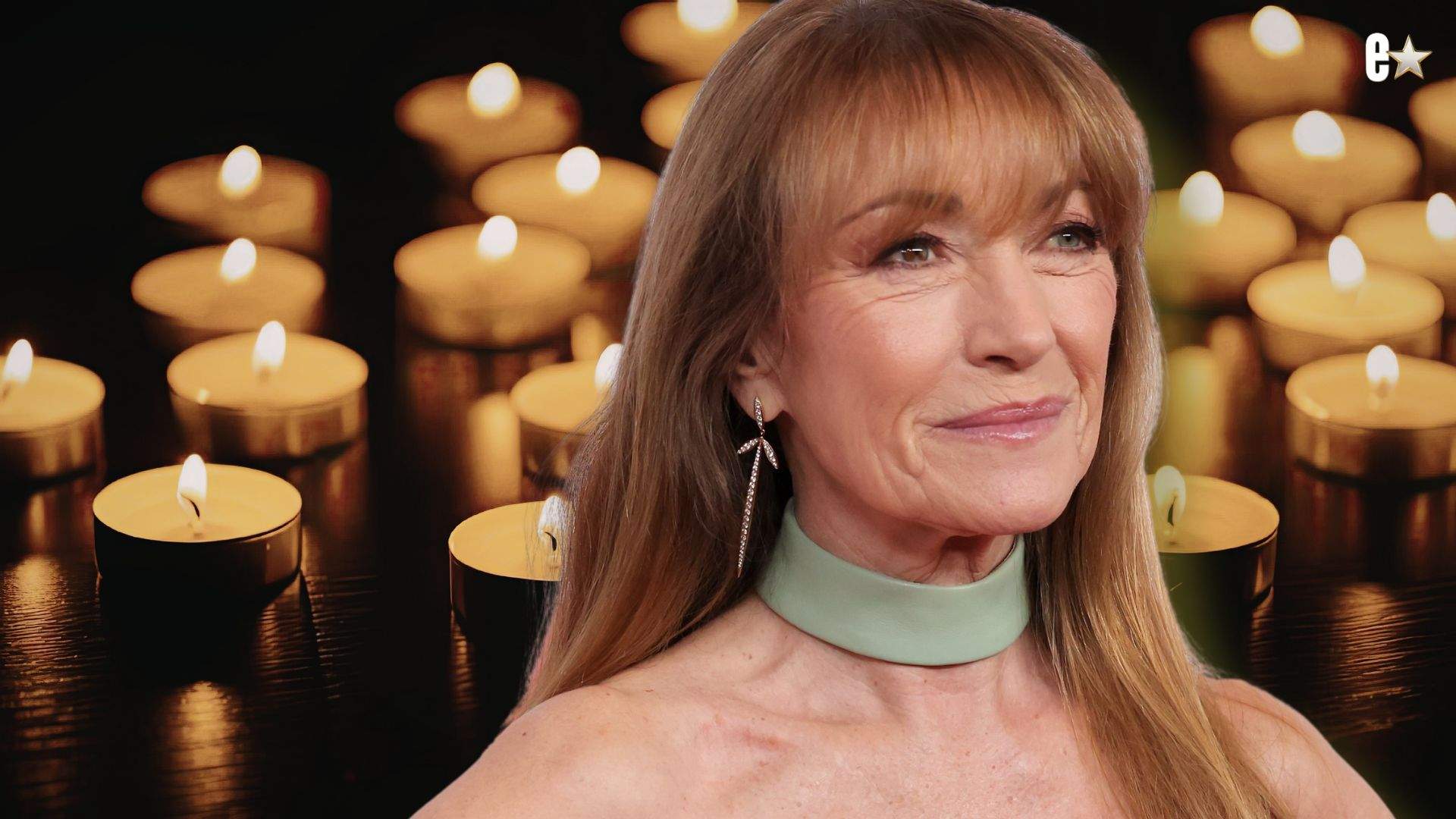
When Jane Seymour posted a photograph of herself and her brother‑in‑law at her 1993 wedding, the caption that followed carried a quiet, aching weight: “Stacy was not only an extraordinary actor and a true master of his craft, but someone who was part of my family and my life for so many years.” Her words, posted just days after the 85‑year‑old actor’s death in Poland, ripple through the entertainment world like a soft drumbeat, reminding us that stars are more than credits on a screen – they are kin to the communities they touch.
Stacy Keach’s life spanned theater stages in New York’s gilded 1970s, television screens that carried him through the ‘80s and ‘90s, and a steady presence in the cozy, heart‑warming realm of Hallmark Channel productions. From the Western “Desolation Canyon” to the miniseries “Blackbeard,” and the holiday staples “A Royal Christmas” and “Twelve Dates ‘Til Christmas,” Keach brought depth to every role, while his Shakespearean prowess earned him acclaim from critics who once called him “one of the great Hamlets of our time.” His voice, unmistakable and resonant, could anchor a courtroom, a ship’s deck, or a quiet family gathering with equal grace. Jane’s tribute echoes that legacy, intertwining the personal with the professional: “His remarkable talent, unmistakable voice, and larger‑than‑life presence will never be forgotten. But beyond the extraordinary artist, I will always remember the man who was part of our family and the years and memories we shared.”
The announcement of his passing on November 10, 2026, struck a chord across fan circles. His wife, Małgosia Tomassi, expressed that he had “after a long and difficult battle with a serious heart condition and heart failure.” The news, carried home in a quiet family house in Magdalenka, Poland, underscored the human fragility that lies behind the larger‑than‑life characters many of us grew up watching. Jane’s heartfelt message—“My heart goes out to Malgosia, Shannon, Karolina, James, and to everyone who loved him. Rest in peace, dear Stacy”—echoes the collective mourning of a generation that has followed him from the stages of Broadway to the silver screen.
As the entertainment community gathers to honor his memory, the industry itself feels a subtle shift. Hallmark, long known for its dependable holiday line‑ups, will lose a familiar face whose presence lent authenticity to its narrative style. The loss invites reflection on the network’s past, present, and future. Meanwhile, the theater community remembers a champion of classical roles, and the broader film and television world looks back on a performer who refused to be pigeonholed. In these moments of shared loss, a quiet conversation begins about how a single actor’s legacy can ripple through multiple mediums, influencing casting, storytelling, and audience expectations for years to come.
Background & Context
Stacy Keach was born in 1941 and emerged as a formidable presence in the New York theater scene during the 1970s. Critics lauded his interpretations of Shakespearean characters, and his reputation as a “classic actor” grew alongside his forays into television and film. In the early 1980s, he turned to the screen as the private detective Mike Hammer, a role that would become one of his most iconic. His versatility shone through the 1990s and 2000s, when he appeared in the hit television series “Titus” and the Oscar‑nominated film “Nebraska.” Each role added layers to a career that spanned decades and genres.
The Hallmark Channel, in its formative years, sought talent that could deliver both warmth and depth, and Keach fit the bill. His performances in “Desolation Canyon” (2006) and “Blackbeard” (2006) demonstrated his ability to embody historical figures with nuance. The network’s holiday line‑ups, which include films like “A Royal Christmas” (2014) and “Twelve Dates ‘Til Christmas” (2025), benefited from Keach’s experience in portraying family dynamics, a cornerstone of the brand’s storytelling. His collaborations with fellow Hallmark regulars, such as Lacey Chabert and producers like James Keach, cemented his status as a beloved figure within the network’s ecosystem.
Beyond his screen work, Keach’s influence extended to his personal life. Jane Seymour, whom he married in 1993, is herself a distinguished actress whose career has spanned stage and film. Their 22‑year marriage, intertwined with shared creative ventures and mutual respect, added a personal dimension to Keach’s public image. The photograph Jane shared in her tribute—captured at the wedding of her husband’s brother—serves as a visual testament to the close bonds that tie family and industry together.
What People Are Saying
Seymour’s tribute, laden with gratitude and sorrow, echoes sentiments shared by many in the industry. The image of the two actors at her wedding, years ago, feels like a snapshot of a time when their paths first converged, both personally and professionally. “His remarkable talent, unmistakable voice, and larger‑than‑life presence will never be forgotten,” she wrote, and that sentiment reverberates among actors who admired Keach’s craft. “But beyond the extraordinary artist, I will always remember the man who was part of our family and the years and memories we shared,” she added, a statement that highlights how his personal relationships enriched his public persona.
Keach’s wife, Małgosia Tomassi, expressed that he had fought a “long and difficult battle with a serious heart condition and heart failure.” Her words, while mourning his loss, also reflect the dedication and resilience that marked his later years. The list of mourners—family, friends, colleagues—paints a portrait of a man who was as much a pillar at home as he was on set. In a world that often celebrates the glamorous, the quiet acknowledgment of his health struggles humanizes him, offering fans a glimpse of vulnerability that few had seen before.
Within the Hallmark community, the loss has sparked a wave of tributes. Actors who shared the screen with Keach have posted photographs and memories on their personal channels, each echoing his distinct presence. His colleagues note his willingness to mentor younger actors, his insistence on choosing diverse roles, and his refusal to let a single character define his career. These recollections suggest that the impact of Keach’s work extends beyond any single performance; it lies in the ripple effect he created through his choices and his guidance to those who followed.
What Happens Next
The immediate response to Keach’s passing will likely include a post‑humous episode of “Titus,” a special tribute at the next Hallmark film festival, and perhaps a retrospective feature that examines his contributions to both stage and screen. The network may revisit his Hallmark films, perhaps adding a dedication to his memory in forthcoming releases. For theater companies, his legacy will inspire programming choices that honor the classical tradition he championed. Actors who once studied under him may carry forward his teachings, ensuring his influence persists.
Industry discussions are already turning to the broader implications of his career path. Keach’s choice to oscillate between mainstream television, independent cinema, and classic theater sets a precedent for actors seeking varied roles without compromising artistic integrity. His career, once viewed through the lens of “typecasting,” now stands as a blueprint for maintaining versatility while staying true to one’s craft. Directors may look back at his work to inform casting decisions, particularly for roles that demand gravitas and nuance.
For audiences, Keach’s passing may prompt a reevaluation of the films and series that have shaped their holiday traditions. The Hallmark Channel’s future projects might emphasize a blend of contemporary storytelling and the timeless human themes that Keach embodied. Fans may also discover lesser‑known works, exploring his earlier theatrical productions and independent films, gaining a deeper appreciation for his breadth.
In the wake of this loss, the industry, the network, and the fans all find a shared moment of remembrance. The narrative of a man who moved from the stages of Broadway to the glow of television screens continues to resonate. His voice, both literal and figurative, remains a part of the cultural fabric that continues to inspire future generations of performers and storytellers alike.
The Bottom Line
Stacy Keach’s death is more than a personal loss; it signals a shift in how classic actors are integrated into modern media. Hallmark’s future will hinge on honoring the authenticity Keach brought to its stories while innovating with fresh faces that can carry that weight. The industry must recognize that versatility—whether in a detective role or a holiday rom‑com—remains a prized asset. Audience loyalty, built on familiar voices and faces, is fragile; networks need to balance the nostalgia that Keach evoked with the evolving tastes of a younger demographic. MyWorldPulse views this as an opportunity for creators to revisit the core of storytelling: humanity, resilience, and connection. Hallmark and similar brands should invest in mentorship programs, pairing seasoned actors with emerging talent to preserve the depth that Keach exemplified. In doing so, the network can honor his legacy while crafting a new, inclusive narrative that resonates across generations.
Reference:
- Jane Seymour's Instagram tribute
- Małgosia Tomassi's Facebook post
Read more celebrity news at MyWorldPulse.