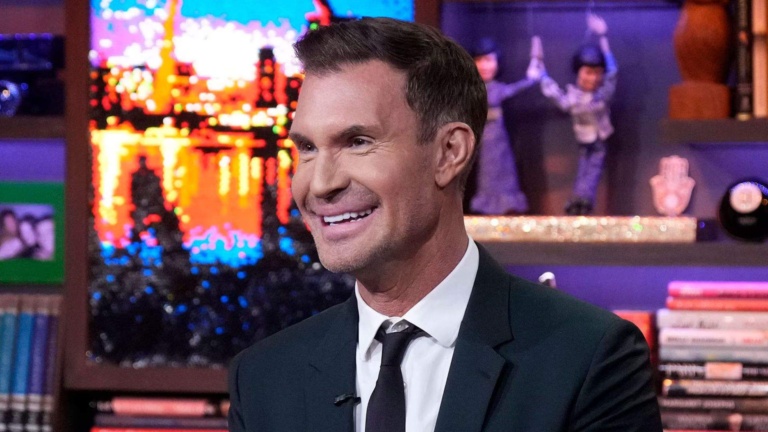
The most recent wave of celebrity revelations—from blockbuster soundtrack releases to intimate health disclosures—has underscored how personal narratives shape public expectations and industry strategies alike. When an Oscar‑winning star announces a new aesthetic choice on a high‑profile talk show, the ripple effect reaches beyond vanity: producers rethink casting, marketers adjust ad pitches, and fans recalibrate their idols’ identities. In a month where a film’s companion album boasts 29 original tracks, a reality‑TV couple re‑ignites their romance, a season winner plans a $246,300 wedding, and a beloved zoo hippo’s untimely death galvanizes conservation campaigns, the entertainment world reminds us that the lines between performance and life are increasingly porous.
This convergence illustrates a broader trend: audiences now crave authenticity as much as spectacle. When the public sees a beloved actress openly discuss new breast implants or a reality star’s choice to step back from a show for mental‑health reasons, the narrative shifts from scripted drama to real‑world stakes. Studios, therefore, are pivoting to create content that feels lived in, while marketers capitalize on the “real‑talk” currency that drives engagement. In this climate, the stakes are higher than ever—every personal decision can become a headline, influencing box‑office sales, streaming numbers, and the cultural conversation around health, wellness, and authenticity.
Background & Context
The entertainment industry has long relied on cross‑platform storytelling to maximize revenue streams. The newest entry in this strategy is the “The Hunger Games: Sunrise on the Reaping” soundtrack, which pairs 29 original songs with the film’s emotional landscape. This approach mirrors past successes where film music has become a standalone commodity, adding a layer of depth that extends beyond the screen. With its blend of bleak, torturous scenes and hopeful undertones, the album not only serves fans seeking to relive the movie’s atmosphere but also provides musicians with a platform to showcase their craft in a high‑profile setting.
Meanwhile, reality television continues to adapt to changing viewer expectations. In one popular show, a charismatic couple who once battled public feuds has quietly rekindled their romance, hinting at holiday plans and future projects. Their renewed relationship demonstrates how personal drama can evolve into new narrative arcs, keeping audiences invested over longer periods. Another series saw a contestant walk away with a staggering $246,300 prize, a figure that reaffirms the genre’s capacity to offer tangible stakes that resonate with viewers who might otherwise feel detached from the outcomes of such competitions.
Celebrity relationships, whether public or private, also shape the industry’s cultural fabric. A celebrated actress and her longtime partner, who have been married for twelve years, recently reflected on how their love deepens over time, offering a counterpoint to fleeting romances often portrayed on screen. Their enduring partnership, coupled with an open discussion of intimacy and shared growth, provides a narrative that both fans and fellow performers can look to for inspiration. In the same vein, a reality star’s decision to leave a show in favor of spending more time with family illustrates the increasing prioritization of personal wellbeing over public exposure.
The convergence of these stories also signals an emerging consciousness surrounding public figures’ personal well‑being and the broader impact of their choices. From a photographer who proposes to a star on a talk show, to a couple’s decision to step away from a reality series for mental‑health reasons, the industry sees a shift in how relationships and personal health are framed in the public eye. These narratives are not only humanizing but also catalytic, prompting audiences to question the often‑rigid norms that have historically governed celebrity behavior.
What People Are Saying
Audiences have responded to these developments with a mix of curiosity, admiration, and critical reflection. The release of a 29‑song soundtrack has sparked discussions about how music can both enhance and stand independently of cinematic storytelling. Fans of the franchise praised the album’s authenticity, noting how the tracks capture the emotional intensity of the narrative. Meanwhile, the resurgence of a former reality couple has drawn both applause for their openness and speculation about future collaborations, as fans wonder whether their rekindled romance will translate into joint projects.
The reality‑TV winner’s decision to channel a nearly $250,000 prize into a wedding has become a talking point for many who view the show’s high stakes as a launching pad for life-changing moments. Commentators have highlighted how the prize money reflects the growing seriousness with which these programs treat their participants’ futures. Additionally, the heartfelt reflections of a long‑married actress-turned‑public figure have prompted broader conversations about the evolution of romantic partnerships, especially within an industry that often encourages quick, public breakups for drama.
The conversation also extended to health and wellness choices. The actress’s candid disclosure of new breast implants—specifically a full C‑Cup—prompted discussions about body autonomy and the pressures that actresses face regarding appearance. Some viewers applauded her transparency, while others raised concerns about the cultural emphasis on certain aesthetic standards. The dialogue surrounding a beloved hippo’s death, who tragically passed away at nine years old after swallowing a visitor’s hat, further highlighted the industry's responsibility to balance entertainment with stewardship of living beings that capture public affection.
These reactions underline a key industry reality: audiences now consume content with an eye toward its authenticity and ethical implications. When a star or public figure shares personal details—whether about love, health, or tragedy—fans engage in a dialogue that extends beyond the screen, often shaping future production choices and marketing strategies.
What Happens Next
Looking ahead, the ripple effects of these stories will likely shape how studios, networks, and performers approach their work. The success of a 29‑track soundtrack may encourage other franchises to invest more heavily in music, recognizing its potential to create immersive, multi‑media experiences. The rise of couples returning to the public eye after a period of separation might inspire producers to incorporate more authentic relationship narratives into their reality formats, offering audiences a more nuanced portrayal of partnership.
Reality TV’s continued evolution will probably see more participants negotiating their involvement based on mental‑health considerations, setting a precedent for industry standards that prioritize well‑being over sensationalism. In music and film, there may also be a heightened focus on integrating thematic tracks that mirror personal journeys, providing a richer, more holistic storytelling approach.
On the personal side, the candidness of stars regarding health and relationships may normalize open conversations about body autonomy, mental health, and familial priorities. This shift could influence casting decisions, with more emphasis placed on authenticity and relatability. Moreover, the tragic loss of a beloved animal could spur increased advocacy for conservation efforts within entertainment marketing, prompting studios to partner with animal welfare organizations to align their brand with stewardship.
As the industry moves forward, the interplay between personal narrative and public consumption will remain central. The willingness of a star to disclose new implants, a reality contestant to reinvest a sizable prize, or a beloved hippo’s death to rally community support all serve as reminders that the human element—whether on or off the screen—continues to be a powerful force shaping entertainment’s future.
In a world where stories bleed into branding, the next chapter promises a tighter intertwining of authenticity, ethical responsibility, and creative innovation. The industry’s challenge will be to honor these narratives while still delivering compelling content that resonates across generations.
The Bottom Line
MyWorldPulse believes that the entertainment industry’s embrace of authenticity is both a response to—and a catalyst for—changing audience expectations. The 29‑track Hunger Games soundtrack proves that music can become a narrative driver, while reality‑TV’s shift toward real relationships signals a desire for depth over manufactured drama. When a star openly discusses body choices or a contestant invests prize money into life milestones, the line between performer and person blurs, creating a more empathetic viewing experience. This transparency, however, comes with responsibility: studios must ensure that authenticity is not a gimmick but a genuine reflection of artists’ lived realities. As audiences increasingly reward ethical storytelling, brands that prioritize well‑being, conservation, and honest dialogue will not only build trust but also carve out a sustainable competitive edge. In short, authenticity is no longer a marketing buzzword; it is the cornerstone of tomorrow’s content strategy. – The MyWorldPulse Editorial Team
Reference:
- Official announcement of The Hunger Games soundtrack on Twitter
Read more celebrity news at MyWorldPulse.