The headlines of the past week have rippled through two very different sectors, yet both stories underline a common thread: the fragile balance between ambition, compensation, and safety in high‑profile workplaces. In one corner, Jeff Lewis, a television personality known for his sharp design eye, publicly disclosed the near‑$100,000 salary of former social‑media manager Annie Sharp before revealing the circumstances that led to her dismissal. In another, former Warner Bros. executive Pamela Abdy delivered a fiery 15‑minute speech at an award ceremony, questioning the business practices that have, she claimed, eroded the industry’s integrity. And, far from the studios and award stages, a Walmart employee in Indiana was brutally killed in a shocking incident that raised urgent questions about security protocols in retail environments. Together, these events force us to examine how the entertainment and retail worlds are negotiating power, payment, and protection.
Background & Context
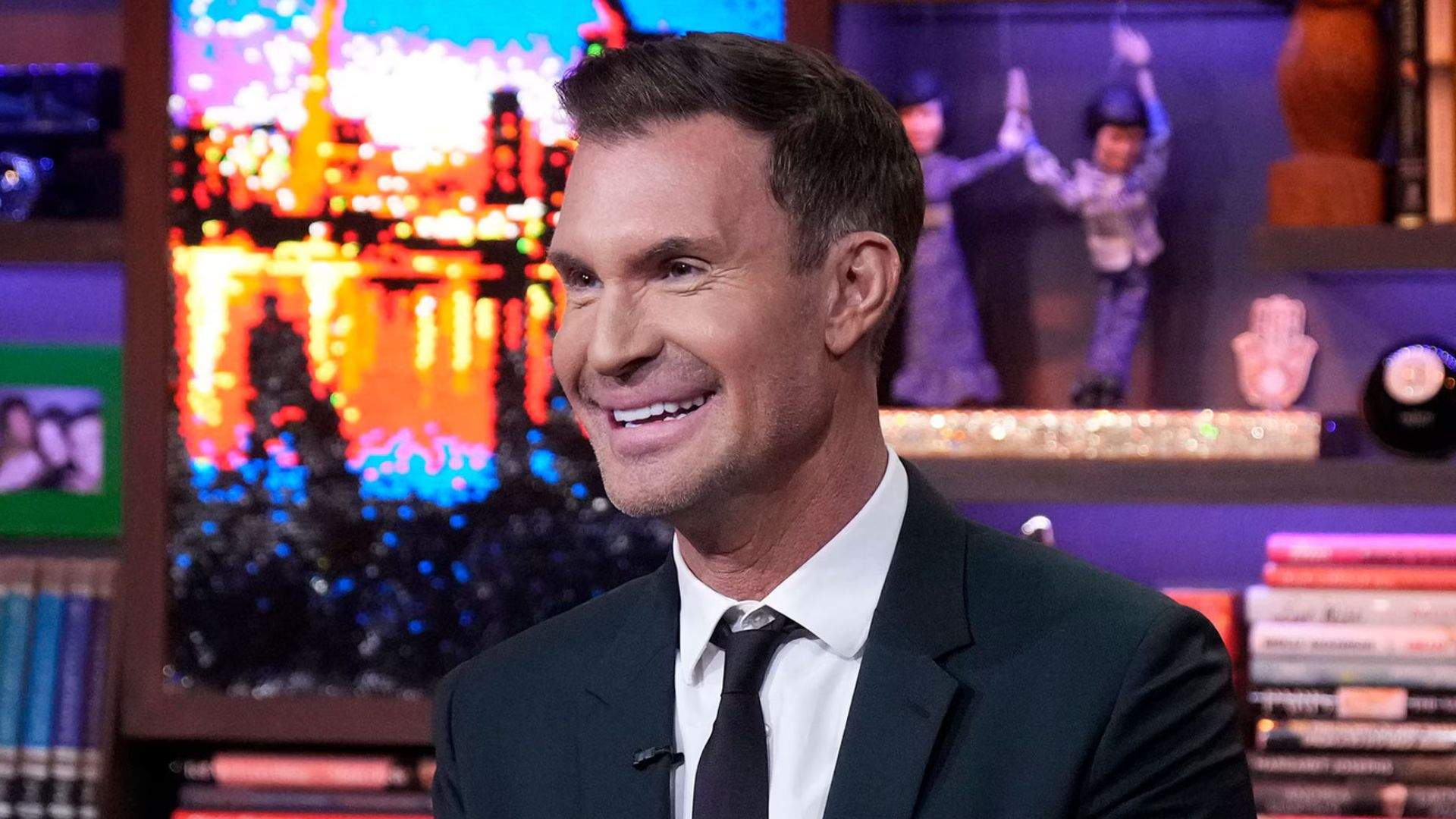
Jeff Lewis’s admission came during an episode of his SiriusXM radio show, where he broke down the compensation package that had been offered to Annie Sharp, a social‑media manager who also worked on his Bravo series “Still Flipping Out.” Sharp’s base salary was $78,000, and with bonuses she was drawing close to $100,000 annually. When she repeatedly requested a raise, Lewis offered her a junior‑producer role on his radio show as a potential pathway to higher pay, but the two parties could not agree on the scope of the new responsibilities. Lewis also cited a pattern of prioritizing her personal Instagram content over his projects, including a failed preparation for a scheduled interview with singer David Archuleta, and a New York trip where she was written up by his attorney for minimal work. These issues culminated in her firing after a heated confrontation on the set of “Still Flipping Out.”
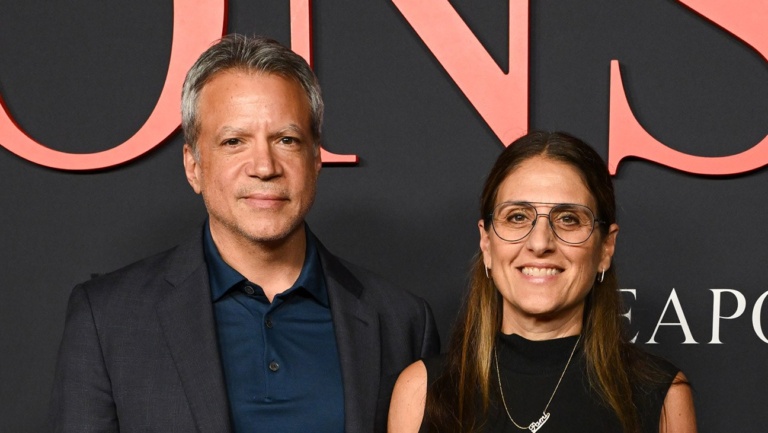
In a separate but equally high‑stakes setting, former Warner Bros. executive Pamela Abdy took to a prestigious industry gathering to deliver a speech that spanned 15 minutes. She described her feelings as “pure, unadulterated rage” and posed the question, “What business are we leaving?” in reference to practices she felt had become corrosive within Hollywood. While the specific policy criticisms were not fully disclosed, her address resonated with many who have long felt that the entertainment industry’s rapid commercialization has come at the expense of creative integrity and equitable labor practices.
Meanwhile, in a starkly different environment, a Walmart store in Hammond, Indiana became the scene of a violent incident that shocked the nation. Dakota Norwood, a 21‑year‑old employee, was stocking shelves on a morning shift when she was followed by 22‑year‑old Dorian Kevon Robertson. According to a probable‑cause affidavit, the confrontation escalated into a physical altercation that ended with Robertson allegedly shooting Norwood multiple times. Video evidence reportedly shows Norwood being shot while attempting to escape, and a fire erupted from her upper body during the chaos, ultimately leading to her death at the scene. Robertson was charged with murder and remains in custody following a court appearance.
These three stories, though distinct, share a focus on the conditions that enable or deter misconduct. Lewis’s remarks bring to light the power dynamics and expectations placed on employees within high‑visibility media roles. Abdy’s speech underscores the internal critique of systemic issues that can seep into creative ecosystems. The Walmart tragedy, meanwhile, highlights the dire consequences when security and oversight fail in everyday workspaces. The commonality lies in the imperative for organizations—whether in entertainment, corporate, or retail—to enforce clear boundaries, uphold safety, and ensure fair compensation.
What People Are Saying
Jeff Lewis’s transparency sparked a flurry of reactions across industry circles. Some commentators praised his candidness, noting that he had previously kept Sharp’s salary under wraps, thereby protecting her privacy. Others felt that the disclosure, while revealing the scale of the compensation, did little to explain the complex negotiation that failed to reach an agreement on responsibilities. Lewis’s own account—“She said to me, ‘I want more money’… I said that this doesn’t make sense for me financially” — suggests a tension between employee ambition and company budgeting, a tension that has become more pronounced as social‑media managers command higher pay for their growing influence.
Pamela Abdy’s speech, delivered at an event honoring industry veterans, ignited a spirited conversation among peers and younger creatives. The phrase “What business are we leaving?” has been echoed in social‑media threads, indicating that her frustration resonated with a cohort tired of watching profit motives overplay creative concerns. Some applauded her willingness to confront the status quo, while others urged caution, arguing that sweeping changes require a collaborative approach. In either case, Abdy’s speech was a catalyst for debate about transparency, equity, and the future direction of the film and television sectors.
In contrast, the response to the Walmart shooting has been dominated by grief, outrage, and a demand for accountability. Employees at the Hammond location expressed concerns over the adequacy of on‑site security, and local officials called for stricter protocols to protect staff during shift changes. The incident has been referenced in national conversations about workplace violence, prompting retailers to review emergency response training and employee protection measures. The community has also called for a deeper examination of how interpersonal relationships can influence safety in the workplace, especially when “domestic” tensions spill into professional settings.
Across all three scenarios, the central narrative is a call for systems that recognize the human element: employees who wish for fair pay and recognition, executives who must navigate profit while preserving creative ethos, and institutions that prioritize the safety and well‑being of their workers. The stories also underscore a growing expectation that public figures and organizations disclose more openly the factors that drive decisions and shape workplace culture.
What Happens Next
Jeff Lewis’s next steps appear to focus on restructuring his staff’s compensation and accountability measures. After the public airing of Sharp’s salary and the circumstances of her exit, Lewis has reportedly initiated a review of his hiring practices and compensation packages to ensure they align with both industry standards and internal equity. The shift may also include clearer delineations of role responsibilities, especially when employees are asked to take on additional duties. Whether these measures will deter future disputes remains to be seen, but they signal a move toward greater transparency.
Pamela Abdy has announced plans to organize a panel discussion aimed at addressing systemic issues she highlighted in her speech. The panel will bring together former executives, union representatives, and creative professionals to dissect the practices that have, according to her, left a “business” that no longer reflects the collaborative spirit of the industry. Abdy’s intention is to create a platform where difficult conversations can lead to actionable reforms, potentially influencing policy changes within studios and production companies.
The Walmart incident is already prompting a cascade of procedural reforms. Retail officials are reviewing the deployment of security cameras and the training of floor staff in conflict resolution. The incident has spurred a national debate over the adequacy of protocols for handling domestic disputes that manifest in the workplace. Walmart’s spokesperson has pledged to work closely with local authorities and employee representatives to implement new safety measures, including enhanced employee assistance programs and more robust on‑site security presence.
In each case, the immediate aftermath is a call for systemic change. The entertainment sector may see an overhaul of how compensation and responsibilities are negotiated. The film and television community may push for industry‑wide dialogues about business practices and creative freedom. The retail industry will likely adopt stricter safety protocols and invest in employee support systems. These steps, while reactive, could set a new standard for workplace expectations, ensuring that ambition does not override accountability and that safety is woven into the fabric of daily operations.
The convergence of these events serves as a stark reminder: whether behind the camera or behind a cashier’s desk, workers deserve clear communication, fair compensation, and robust protection. As the entertainment world and retail sectors absorb these lessons, the hope is that they will foster cultures where talent thrives, creative voices are heard, and every employee can perform their best—without fear of undue pressure or violence.
The Bottom Line
MyWorldPulse believes the simultaneous exposure of a $100k salary, a high‑profile industry critique, and a tragic retail shooting point to systemic flaws that demand immediate remediation. Transparency is no longer a luxury; it is an obligation. When a TV host openly discusses a former employee’s pay, it forces other leaders to scrutinize their own compensation structures and to communicate expectations clearly. Abdy’s speech highlights the moral hazard inherent in a profit‑first culture, and it calls for industry‑wide dialogue that places creative integrity and fair labor practices at the forefront. The Walmart incident is a brutal wake‑up call for all employers: security and conflict‑resolution protocols cannot be afterthoughts. Instead, they must be ingrained in the operational DNA of every organization, backed by rigorous training and continuous review. These events underscore the urgency for leaders to rebuild trust through honest dialogue, equitable pay, and uncompromising safety standards. By embracing these principles, the entertainment and retail sectors can protect their most valuable asset—people—and foster a workplace culture that thrives on collaboration, innovation, and respect.
Reference:
- Official post on Jeff Lewis’s verified social media account
- Official Walmart press release about the Hammond incident
- Official interview with Pamela Abdy on industry platform
Read more celebrity news at MyWorldPulse.