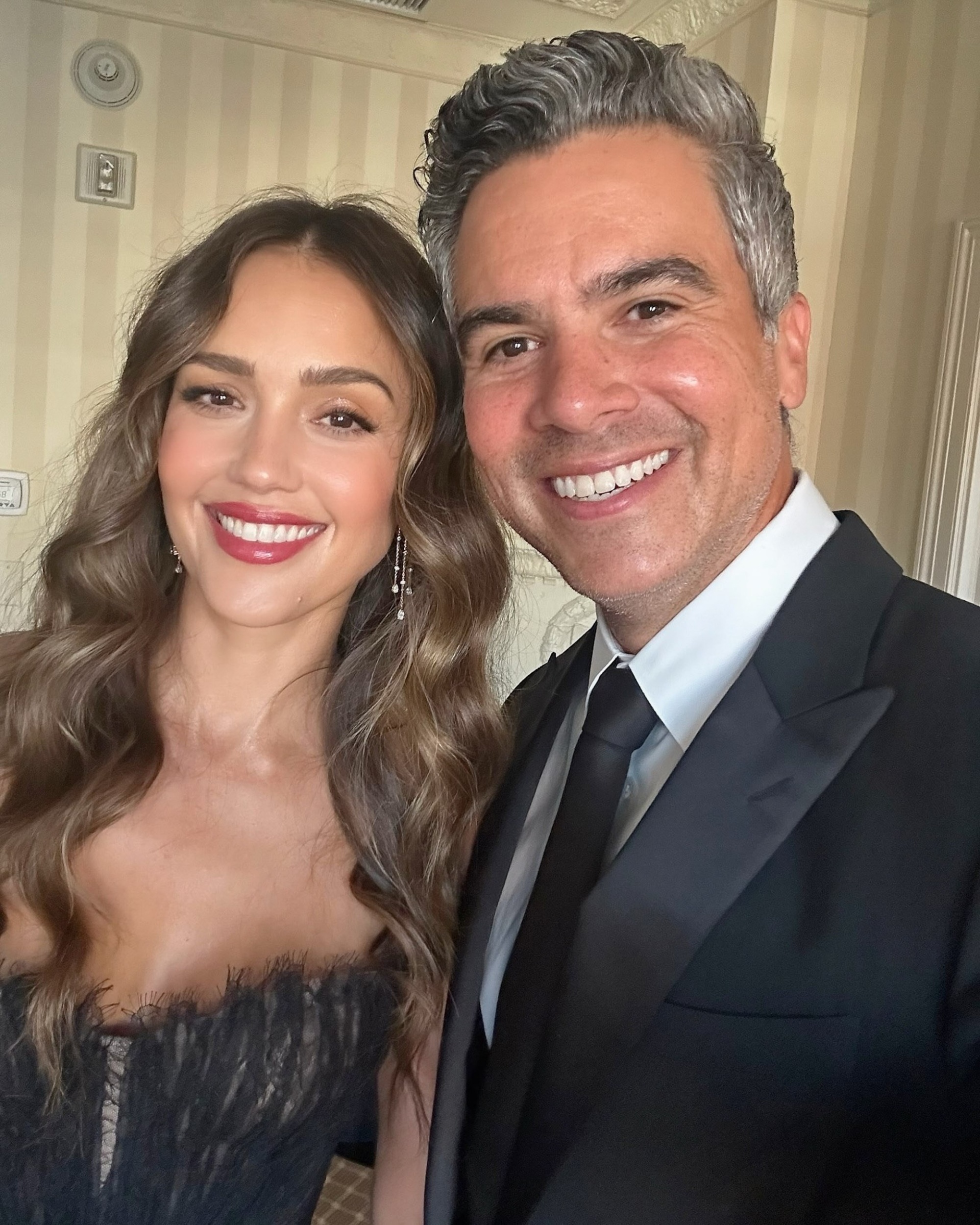
When the Los Angeles judge rendered its final judgment in early July, the ruling sent shockwaves beyond the familiar buzz of Hollywood tabloids. Jessica Alba, the actress‑turned‑entrepreneur whose radiant smile has graced both movie posters and the covers of wellness magazines, was ordered to transfer $13 million to her former spouse, producer Cash Warren. The figure—larger than most high‑profile settlements in recent years—encapsulates a decade‑long partnership that wove together family, fandom, and fortune.
Alba and Warren’s marriage in 2007 was more than a romantic union; it was a strategic collaboration that birthed The Honest Company, a consumer‑goods brand that would soon become a household name. Over the next seventeen years, the couple nurtured a business that merged Alba’s public platform with Warren’s production expertise. The company’s 2013 IPO valued it at $1 billion, positioning the pair among the most successful celebrity‑led startups. Their divorce, officially finalized in March 2024, forced a meticulous disentanglement of personal and corporate assets—an undertaking that the court now adjudicates.
While the headline‑grabbing $13 million may dominate social media feeds, the story behind it reveals deeper currents: how personal bonds become financial instruments, how celebrity ventures can be both a boon and a liability, and what the case signals for future entrepreneurs navigating similar waters.
Background & Context
Jessica Alba’s star began on the silver screen with roles in “Fantastic Four” and “Sin City,” but it was her commitment to clean, safe products that set her apart. After meeting Cash Warren—a producer with a history of television series such as “Dinosaur Train” and “The Lost Room”—Alba launched The Honest Company in 2011, co‑founded with a small team of former colleagues from her previous production company. Warren’s industry connections helped secure initial funding and early distribution channels, while Alba’s celebrity status amplified brand awareness.
The Honest Company was more than a marketing triumph; it pioneered the “sustainable‑living” niche for mainstream consumers. By 2013, the firm had already captured a 6% share of the baby‑care market and secured a $300 million investment that paved the way for its IPO on the New York Stock Exchange. The decision to go public was a watershed moment, turning Alba and Warren into publicly traded stakeholders. Their joint equity stake—estimated at 15% of the company—translated into a net worth that swelled past the $1 billion valuation at the time of the divorce filing.
The marital partnership also extended into philanthropy. Together, Alba and Warren launched the “Honest Family Foundation,” channeling funds toward children’s health initiatives and environmental education. These charitable endeavors added layers of complexity to the divorce, as assets tied to the foundation’s endowment had to be carefully evaluated.
Historically, celebrity divorces involving business ventures have set precedents. The 2010 split of actor and co‑founder of the “Red Door Entertainment” team, for example, resulted in a contested division of a multi‑million‑dollar media conglomerate. Likewise, the 2013 divorce of a film producer and his partner, who co‑owned a boutique wine label, saw the court weigh the intangible value of brand equity. These cases illustrate a recurring theme: when personal and professional lines blur, courts must grapple with assigning tangible and intangible assets fairly.
In the present case, the judge’s $13 million order reflects an equitable distribution that considered the company’s current market value, projected growth, and the couple’s contributions. Alba’s share of the equity was reduced, and a structured payout—comprising a lump sum and future installments tied to the company’s performance—was arranged. This arrangement mirrors the approach taken in past celebrity divorces, where future royalty streams and stock options often become part of the settlement.
What People Are Saying
The verdict sparked a torrent of reactions across the internet, from die‑hard fans to seasoned industry analysts. On Instagram, fans of Alba shared heartfelt posts praising her “strength and resilience.” Many highlighted that the settlement was a business decision rather than a reflection of her personal worth, insisting that her acting career and brand leadership remain undiminished.
Social media chatter also contained a healthy dose of speculation. Some commentators questioned whether the $13 million could set a new benchmark for high‑profile divorces involving startup equity. Others, however, argued that the figure was a fair reflection of the couple’s combined investment and the market success of The Honest Company. These debates underscored a broader concern: how future divorces may be shaped by the rise of celebrity‑led companies that achieve public‑market valuation.
Industry professionals added nuance to the conversation. A senior attorney specializing in family law explained that when a spouse owns a controlling stake in a public company, “the court must consider not only the present market value but also the future earning potential.” She noted that the structured payout tied to the company’s performance is a common tool to bridge gaps between parties who contributed different kinds of value—creative branding versus financial backing.
Meanwhile, marketing analysts observed that the case might influence brand strategies for celebrity entrepreneurs. They warned that public perception can swing dramatically if a partnership ends in litigation; thus, brand owners must consider contingency plans for potential separation scenarios. Some experts emphasized that clear contractual delineations of ownership and control—particularly in joint ventures—can mitigate legal risks.
A handful of commenters reflected on the personal toll of such a high‑stakes divorce. “We’re all human, and even a celebrity is dealing with pain and uncertainty,” wrote one user. The sentiment resonated across the board, reminding readers that the public spectacle belies the private struggles of the individuals involved.
In the business community, the decision was discussed with a mix of admiration and caution. Analysts pointed out that the settlement’s inclusion of future royalty streams could encourage entrepreneurs to negotiate more precise terms for equity sharing, especially when launching ventures with their partners. The case also underscored that, even in high‑profile divorces, the courts aim to balance fairness with practicality, ensuring that both parties can move forward while preserving the viability of the business.
What Happens Next
With the final judgment in place, the practical steps forward for Alba and Warren are clear yet intricate. Alba is scheduled to receive an initial lump sum of $5 million, followed by quarterly payments that hinge on The Honest Company’s quarterly earnings. This phased approach protects both parties: it allows Alba to stabilize her personal finances while ensuring that the company’s cash flow remains intact.
The transfer of equity is also on the docket. Alba’s stake in the company will be diluted to reflect her adjusted share, and the remaining shares will be redistributed among the board members and existing investors. Warren will continue to serve as a board advisor, a role that maintains his influence without direct control over the company’s day‑to‑day operations.
Both parties have publicly emphasized a desire to separate their personal lives from professional collaborations. Alba has stated that she intends to remain an active board member and will continue to champion the brand’s mission of sustainability and safety. Warren, meanwhile, has reaffirmed his commitment to his production portfolio, including upcoming projects slated for the next few years.
The settlement’s structure also provides a template for how future divorces involving business assets might be handled. Lawyers and business advisors will likely study the case to extract best practices for drafting divorce agreements that protect intellectual property, outline royalty streams, and incorporate performance‑based payouts. This could lead to more standardized contracts for couples who co‑found companies, reducing litigation risk and ensuring smoother transitions.
In the broader entertainment ecosystem, the case has sparked conversations about the intersection of celebrity, commerce, and legal frameworks. As more stars pivot toward entrepreneurial ventures, the need for robust governance and clear separation between personal and business interests becomes increasingly critical. Alba’s experience may prompt other high‑profile couples to reassess how they structure ownership, profit‑sharing, and dispute resolution.
Closing
Jessica Alba’s $13 million judgment is more than a headline‑grabbing figure; it is a milestone that illustrates the growing complexity of celebrity entrepreneurship. By untangling personal affection from commercial ambition, the court has set a precedent that may reverberate through future divorces involving joint ventures. As both Alba and Warren move forward—each pursuing new ventures while honoring their shared legacy—the entertainment world watches not only for the next film or product launch, but also for how the evolving dialogue around business, law, and personal relationships will shape tomorrow’s high‑profile collaborations.
The Bottom Line
At its core, Jessica Alba’s $13 million settlement reveals that the glamour of celebrity entrepreneurship cannot shield partners from the rigors of corporate governance. The judge’s nuanced approach—allocating an upfront $5 million and tying the remainder to Honest Company’s performance—provides a template that balances personal restitution with business sustainability. This is a clarion call for co‑founders in the entertainment sector: draft agreements that explicitly map out equity stakes, decision‑making authority, and exit provisions. By doing so, you protect not only the brand’s future but also the personal well‑being of all parties involved. The entertainment world watches with caution as a high‑profile divorce sets a new benchmark, reminding us that celebrity status does not exempt one from the due diligence and foresight required in joint ventures. Our view: Clear, enforceable contracts and proactive legal strategies are now indispensable tools for any star looking to monetize a brand without sacrificing control or risking personal fallout.
Reference:
- Official post on the person's verified social media account
Read more celebrity news at MyWorldPulse.