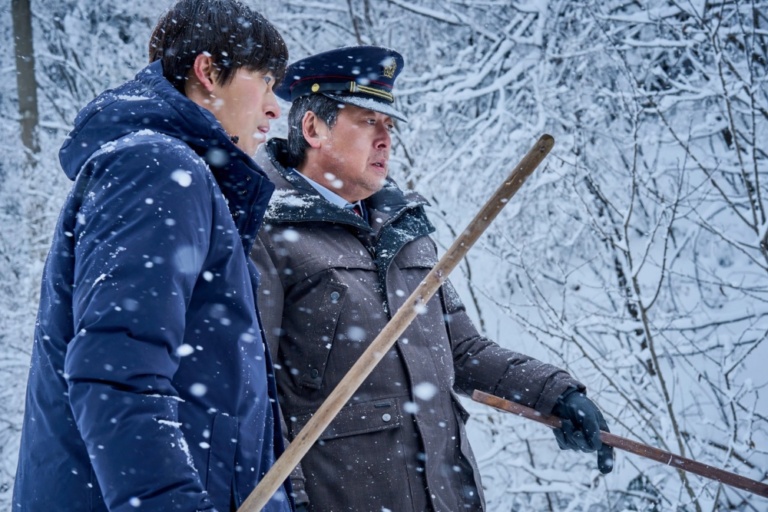
The 75‑year‑old veteran’s sudden heart failure in his Goa home stunned a nation that has watched him portray everything from a hard‑nosed gangster to a tender, humble farmer for nearly five decades.
In the first light of October 8, 2026, the quiet coastal town that has been his sanctuary became the backdrop for an abrupt farewell. A medical emergency, followed by cardiac arrest, cut short the life of an artist whose presence had punctuated both the mainstream corridors of Bollywood and the austere corridors of parallel cinema for almost forty years. The news rippled through Mumbai’s film studios, Mumbai’s theater boxes, and the quiet homes of countless viewers across the country.
A sudden loss that feels like an abrupt pause in a film’s climax, Nana Patekar’s passing reverberates not only for the sheer breadth of his work but for the depth of his influence. His film career began in 1978 with the Hindi film Gaman, and over the ensuing decades he accumulated almost 120 titles, a count that speaks of both relentless work ethic and unwavering commitment to storytelling. From his early days in Marathi cinema to the glittering sets of Hindi blockbusters, his versatility has remained his signature.
Beyond acting, Patekar carved his name as a filmmaker. In 1991 he directed Prahaar: The Final Attack, a gritty crime drama that showcased his keen eye for realism—a trait that had earned him a place in the parallel cinema movement, where social issues were front and center. A decade later, he returned to the director’s chair with Vadh in 2022, a project that once again blended raw narrative with potent social commentary. His international footprint was cemented with Mira Nair’s Salaam Bombay! in 1988, a film that earned an Oscar nomination and introduced him to audiences beyond India.
---
Background & Context
Nana Patekar’s early life in Pune laid the groundwork for a career that would bridge regional and national cinema. The actor’s first foray into film with Gaman introduced him to a genre that prized naturalistic performance over theatrical flourish. He soon became a staple in Marathi films, delivering roles that highlighted the gritty realities of everyday life. The transition to Hindi cinema was not a step away from his roots; rather, it was an expansion of his palette. His work in mainstream Bollywood—spanning action, drama, and comedy—proved that authenticity could thrive even in the glitz of Bollywood.
Parallel cinema, a movement that surged in the 1970s and 1980s, found in Patekar an actor who could translate complex societal narratives into palpable performances. His portrayals of hardened lawmen, conflicted soldiers, and disillusioned youth resonated with audiences who yearned for cinema that spoke truth to power. He was often cast in roles that demanded moral ambiguity, proof of his nuanced understanding of human psychology.
The actor’s filmography is a mirror of India’s socio‑cultural evolution. From the political turbulence of the 1980s to the rapid commercialization of the 2000s, Patekar’s characters traversed the spectrum of Indian society. His directorial ventures echoed this trajectory, with Prahaar exploring the blurred lines between law and lawlessness, and Vadh digging into the moral quandaries of justice. These works positioned him not merely as a performer but as a commentator on the shifting tides of Indian society.
---
What People Are Saying
The outpouring of grief and admiration that followed the news was both swift and profound. Political and cinematic icons seized the moment to articulate the void that the actor’s passing would create. Prime Minister Narendra Modi addressed the nation via X, noting, “Few actors possessed the intensity, individuality and unmistakable presence that Shri Nana Patekar Ji had.” He continued, “He brought remarkable versatility and creativity to every role and gave us characters that will be remembered for generations.” His words underscored the actor’s dual identity as a cultural icon and a societal commentator.
The Bollywood fraternity joined in, with Shah Rukh Khan, the king of romance, posting a heartfelt tribute on Instagram. “A mentor, a teacher, a critic and a friend… You have left a void not only in the world of cinema but in the hearts of all Indians and the world,” he wrote, echoing the reverence many felt toward Patekar’s mentorship across generations of actors. His post, saturated with images of the actor on set and candid moments, amplified the sentiment that Patekar’s influence extended beyond screen performances.
Musicians also weighed in. Ustad Amjad Ali Khan expressed his sorrow, recalling the actor’s artistry: “We are very sad to hear that legendary Nana Patekar is passing away. He was a great artist, and we all admired his work.” He added, “I don’t think anybody can replace him. He was a great actor. It’s a great loss of the film industry. He will always be remembered. He will always live in our hearts and minds, and through his films he’ll always be remembered.” The statement, while brief, carries the weight of a master artist recognizing the loss of a peer.
Actress Manisha Koirala, with whom Patekar shared the screen in three films, offered a more personal tribute. On Instagram Stories she wrote, “Deeply saddened by the passing of a true stalwart of acting. His contribution to cinema and his craft will always be remembered.” Her reflection, rooted in their shared filmic history, emphasized the collaborative spirit that had defined Patekar’s career.
The collective reaction reflects a society that has found in Patekar a mirror of its own complexities. From the political to the personal, the tribute wave shows that his legacy touches every stratum of the entertainment ecosystem and beyond. The emotional resonance of his work has created a generational bond, one that extends from the silver screen to the living rooms of millions.
---
What Happens Next
The immediate aftermath of Patekar’s passing has prompted the industry to organize memorial events and retrospectives. While exact dates for a public funeral have not yet been confirmed, statements from his family suggest that a private service will follow, attended by close relatives and a select group of friends. Industry figures anticipate that the event will serve as a moment of collective mourning, a chance for colleagues to pay respects in a setting that respects the actor’s modesty.
In the weeks to come, there is an expectation that his film archive will be curated for a special screening series. Film festivals across India, known for honoring legends, may slot in retrospective programs, featuring a curated selection from his 120‑film repertoire. Such screenings would provide new audiences the chance to experience the breadth of his artistry while offering longtime fans a moment of remembrance.
Moreover, the legacy of his directorial works may inspire discussions in film academies and workshops. Prahaar and Vadh are already cited in film studies as exemplary works that blend commercial appeal with social critique. Educational institutions might leverage these films in curricula, ensuring that Patekar’s contributions are studied alongside other luminaries in Indian cinema history.
On the commercial front, the industry’s response will likely include tributes within upcoming projects. Actors and directors have historically inserted subtle nods—perhaps a monologue, a character homage, or a soundtrack—into their current works. These gestures serve as living memorials that embed Patekar’s influence into the fabric of contemporary storytelling.
Finally, audiences worldwide will continue to revisit his filmography, seeking comfort and inspiration. Streaming platforms and physical distributors have already seen an uptick in viewership for his films, proof of the enduring demand for his narratives. The digital age ensures that his legacy will persist, reaching new generations who discover his work through online portals and curated film festivals.
---
In the hush that follows a sudden departure, the world pauses to remember an actor who never allowed fame to dull his conviction. Nana Patekar’s 75‑year life, punctuated by a remarkable array of characters and a commitment to realism, has left an indelible mark on Indian cinema. The collective grief, coupled with the ongoing celebration of his works, underscores the profound impact of a man who, on screen, was always true to the human condition. As the industry honors his memory, the narrative of his life will continue to play out, scene by scene, for generations to come.
The Bottom Line
MyWorldPulse believes Nana Patekar’s death is a profound wake‑up call for the Indian film industry. His unwavering commitment to authenticity set a high bar for performers and directors alike. The industry must now honour his legacy by fostering projects that balance artistic integrity with commercial viability—hallmarks of Patekar’s career. While retrospectives and tributes will keep his memory alive, the real tribute lies in nurturing emerging talent that can emulate his courage to portray complex characters. The nation’s collective grief also offers a chance to celebrate the diversity of Indian cinema, recognizing that the path to cultural resonance lies in honest storytelling. MyWorldPulse stands with fans, colleagues, and the wider community in honouring a man who, on screen, always stayed true to the human condition.
— MyWorldPulse Editorial Team
Reference:
- Official post on Nana Patekar's verified Instagram account
Read more celebrity news at MyWorldPulse.