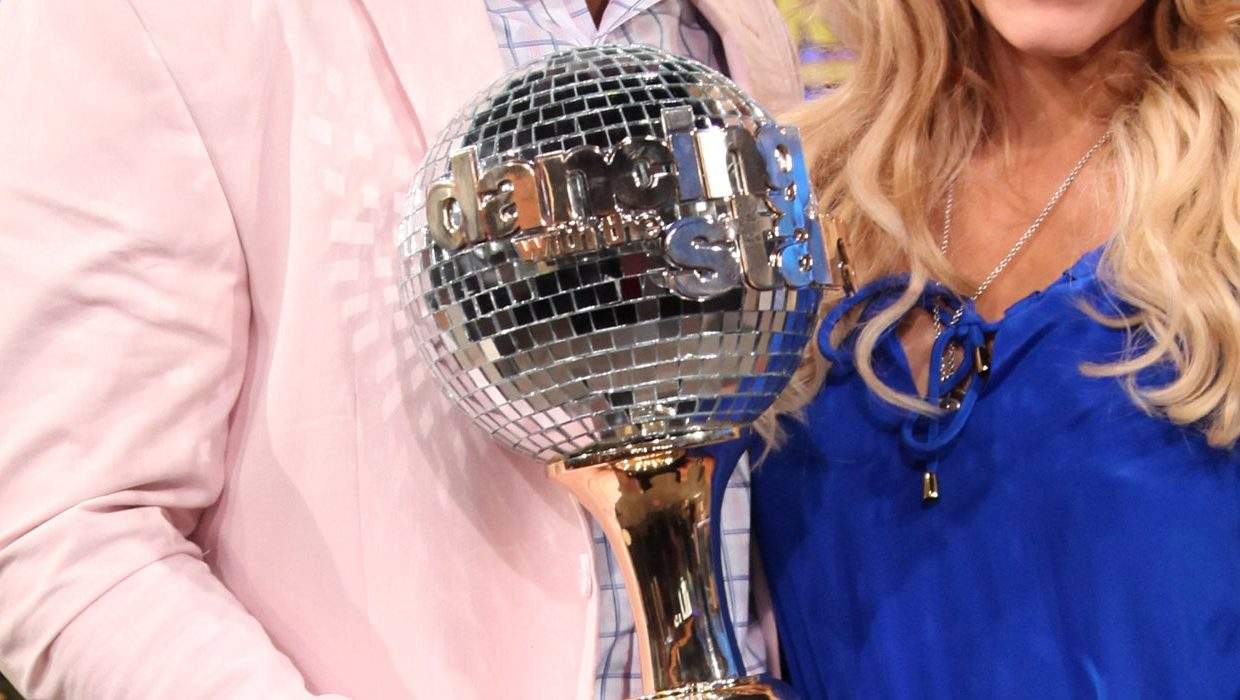
In the heat of the November 17 semifinals, veteran dancer Sharna Burgess blasted the audience after the unexpected departure of actor‑turned‑competitor Harry Shum Jr. and his partner Jenna Johnson, accusing viewers of turning the voting system into a weapon against seasoned performers. Sharna’s words were sharp, her tone candid, and her message came straight from her Instagram Story on November 20, a day after the shock hit the live feed and left fans scrambling to understand what had happened. The controversy is more than a single episode—it touches on a decade of voting reforms, a star‑laden cast, and a question that has lingered since the show’s launch: is the competition still a dance showcase or a popularity contest?
Background & Context
Season 35 of Dancing With the Stars marked Sharna Burgess’s triumphant return after a five‑year absence, rekindling a connection she first forged on the show in 2015. The professional has always been a fan favorite, known for her blend of technical precision and charismatic showmanship. Her comeback came on a backdrop of an evolving voting system that has, over the years, alternated between text‑based and online ballots, often expanding the number of votes a viewer can cast per couple.
The current format, in place since Season 34, allows each viewer to submit up to ten votes per couple through the official app or website, and an additional ten via text messaging. In total, a single voter can contribute twenty points to a pair, creating a wide field for strategic voting or mass mobilization. While the intention was to democratize the process, the expanded ballot has also opened the door to organized fan coalitions, a phenomenon that has intensified over the past seasons.
Harry Shum Jr., a former Glee star with a background in dance and choreography, entered the competition with a reputation for high‑energy performances. His partnership with Jenna Johnson—a former professional on So You Think You Can Dance—was one of the season’s most talked‑about duos. They had earned perfect scores from the judges in both semifinal performances, proof of their technical proficiency and stage presence. Yet, despite the judges’ praise, they were voted off, igniting questions about the alignment between critical acclaim and audience preferences.
The elimination of Harry and Jenna came just a week after another seasoned dancer, Jenna Dewan, and her partner Val Chmerkovskiy, were sent home. Dewan’s career as a backup dancer for Janet Jackson and Christina Aguilera, coupled with her flawless execution in the competition, made her departure feel like a betrayal to many fans who had followed her journey from the start. The back‑to‑back exits of dance veterans created a narrative that many perceived as a shift in the show’s direction—or at least a shift in how the audience chose to engage.
What People Are Saying
In her Instagram Story, Sharna was unapologetically blunt. She acknowledged the shock of Harry and Jenna’s exit but framed it not as a deserved outcome, but as a consequence of a voting system that seemed to have been weaponized by a vocal minority. “It’s so disappointing to see our voting system is now being used by viewers to vote people off instead of voting for your favorite,” she wrote, pointing to the possibility that some fans were more interested in eliminating a perceived threat than in celebrating the best dancers. She went further, suggesting a reversion to a limited voting format: “We go back to y’all only having 10 votes total and you have to figure out how to dish them out.”
Her comments reverberated across the platform. A user responded, “We need to bring back the 10‑vote system. Fans are playing political games.” Another commented that while Sharna’s frustration was justified, “We have to be careful not to demonize the fans.” These mixed reactions highlighted the fine line the show walks between maintaining audience engagement and safeguarding artistic integrity.
Harry Shum Jr. himself offered a calm perspective after the elimination. In an interview, he admitted feeling oddly at ease, explaining that “we accomplished everything we wanted to.” He appeared to accept the outcome with a degree of resignation, suggesting that while the vote was unforeseen, it did not diminish his personal growth or the quality of his performances.
Industry observers noted the pattern of elimination. Some pointed out that Season 35 has seen a trend of highly skilled dancers being eliminated in the later stages, prompting speculation that producers might be shifting focus toward narratives of underdogs or “crowd favorites.” Others, however, cautioned against hasty conclusions, underscoring that every season has its own rhythm and that voting outcomes can be unpredictable.
What Happens Next
The backlash from Sharna and the broader fan base has put pressure on ABC and the production team to reassess the voting mechanics. While no official statement has been released regarding a rollback to the 10‑vote system, conversations among fans, critics, and insiders suggest that producers are aware of the growing discontent. The network’s standard practice has been to fine‑tune voting rules between seasons, often based on analytics and audience feedback.
For the remainder of Season 35, viewers will witness a renewed focus on the remaining couples, many of whom have strong technical foundations and robust fan followings. The upcoming episodes will likely showcase more advanced choreography, as the judges emphasize the importance of musicality and performance quality. Fans who joined the voting war may find themselves at a crossroads: will they continue to mobilize against their perceived favorites, or will they adjust to a system that rewards true dance prowess?
From a production standpoint, there is a possibility that the show might introduce new voting checkpoints or incorporate judge scores more heavily into the elimination calculus. Past seasons have experimented with weighted voting, blending public input with expert assessment to balance popularity and skill. Whether Season 35 will adopt a similar hybrid model remains to be seen.
Meanwhile, the conversation about “fan manipulation” extends beyond Dancing With the Stars. Other televised competitions have faced analogous challenges, and the debate about fairness versus entertainment value has become a recurring theme in the reality‑tv landscape. The outcome of this season could set a precedent for how voting systems are designed in the future, especially as audiences become more tech‑savvy and organized in their online activism.
In any case, Sharna Burgess’s candid critique has sparked a conversation that will resonate long after the final episode airs. It is a reminder that while audiences are the lifeblood of reality television, the delicate balance between their voices and the artistic vision of the show must be carefully maintained. The coming weeks will reveal whether the network will heed the warning of its own star or double down on the current system, leaving fans—and the dancers—on edge.
The Bottom Line
MyWorldPulse View: The current voting format, while technically inclusive, has skewed Dancing With the Stars into a popularity contest that sidelines expert judgment. Sharna Burgess’s outcry is a wake‑up call: fans, while essential to the show’s vitality, must be engaged responsibly. ABC has an obligation to safeguard artistic integrity without stifling viewer participation. A hybrid model—where judges carry more weight or a cap on votes—could restore faith in the competition’s legitimacy. Until the network adopts such changes, the show risks alienating its core fan base and eroding the credibility that has defined the franchise for two decades. Fans deserve a platform where their passion can be expressed without becoming a weaponized tool that undermines talent and fairness.
Reference:
- Official post on Sharna Burgess's verified Instagram Story
Read more celebrity news at MyWorldPulse.