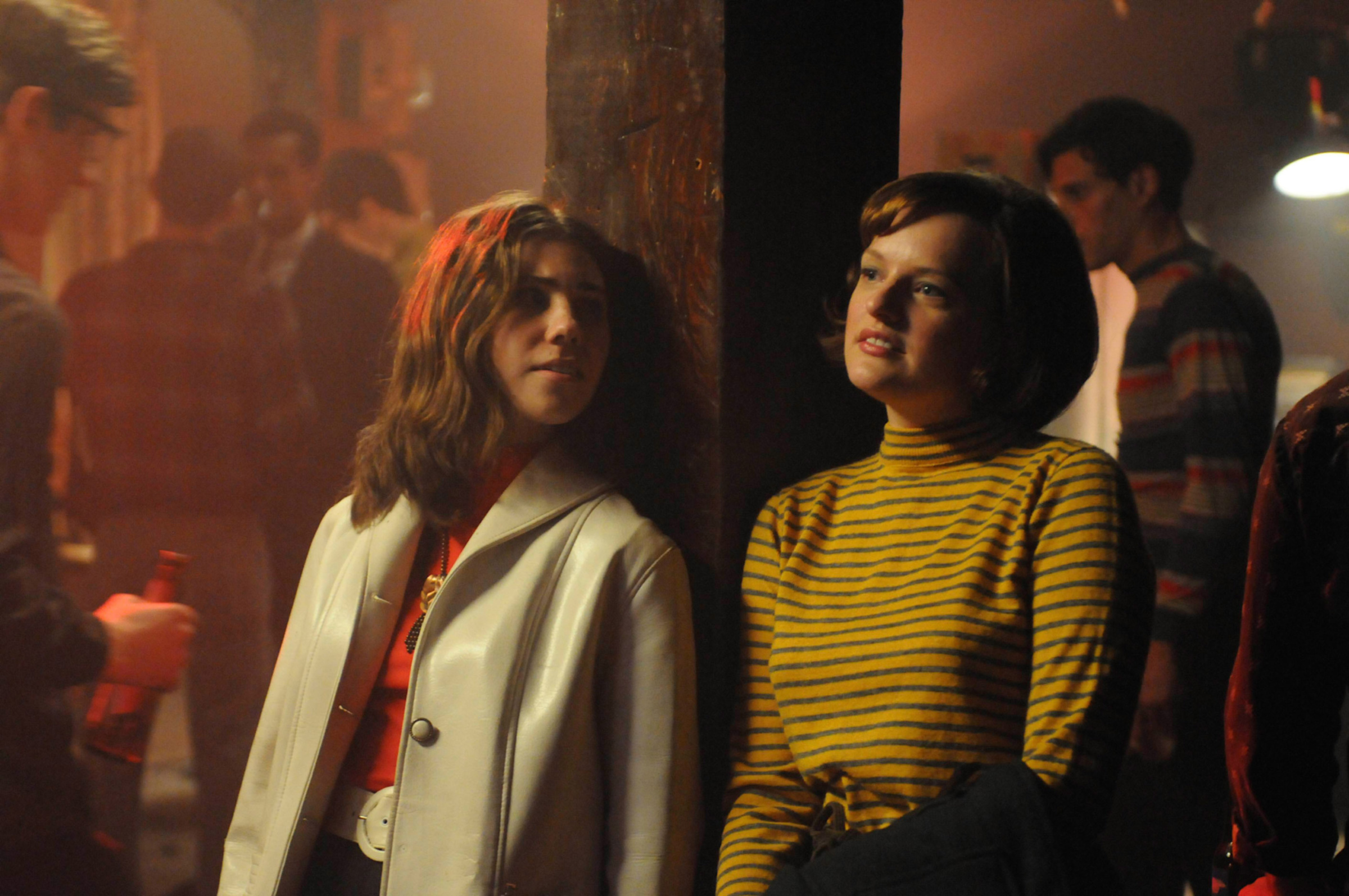
Zosia Mamet, the daughter of playwright David Mamet and the sharp‑tongued actress behind a handful of indie successes, publicly denounced showrunner Matthew Weiner after a harrowing 45‑minute confrontation on the set of the critically acclaimed series Mad Men. She described the encounter as “absolutely horrible” and said the director’s tactics mirrored a “Catholic Church” style of authority that ruled with fear. The fallout saw Mamet exit the show after only five episodes, a decision that reverberated across the television community and left fans bewildered by the drama behind the glossy façade of the 1960s advertising world.
For many viewers, Mad Men felt like a flawless, meticulously crafted tapestry of ambition, gender dynamics, and cultural change. The series, which debuted in 2007, quickly became a cultural touchstone, winning awards and cementing its status as a modern classic. Yet, beneath its polished veneer lay a set environment that, according to Mamet, was far from welcoming. She recalled how other actors found the crew supportive and encouraging, but her experience with Weiner was starkly different. Mamet claimed he “ruled with fear,” a sentiment that starkly contrasted with the collaborative atmosphere many cast members reported.
The confrontation itself unfolded on a hot August day in New York’s bustling loft, where set designers and actors hurried to prepare for the day’s shooting. Mamet, a rising talent known for her precise timing and introspective performances, found herself at the center of a tense discussion. In a 45‑minute session that she later described as humiliating, Weiner allegedly “dressed her down,” using sharp language that left her feeling demeaned and unsafe. While the exact words are never publicly shared, the impact on Mamet was profound, prompting her to leave the series permanently after only a handful of appearances.
The fallout from Mamet’s departure was swift. Industry insiders, who have long spoken of the demanding nature of Mad Men’s production, were stunned to learn that even a high‑profile showrunner could create an environment that pushed a young actress to exit. For Mamet, the decision meant abandoning a role that had the potential to bring her international acclaim and pivoting toward projects that would allow her to maintain creative integrity.
Background & Context
Matthew Weiner, the visionary behind Mad Men, has long been celebrated for his meticulous storytelling and his ability to pull nuanced performances from his cast. His tenure on the show, spanning from its inception in 2007 to its conclusion in 2015, was marked by a relentless pursuit of authenticity and depth. Weiner’s approach, while often praised for its clarity and precision, has also drawn criticism for its intensity. Several former crew members have noted that Weiner demanded absolute commitment to the show’s vision, sometimes pushing actors beyond their comfort zones.
Zosia Mamet, meanwhile, had already carved out a distinct identity in Hollywood. Born into a family of artists—her father, playwright David Mamet, and her mother, actress and producer Nancy Savoca—she had been shaped by a rich tradition of storytelling. Before Mad Men, Mamet had appeared in indie films such as The End of the Affair and gained a cult following with her role in the series The Marvelous Mrs. Maisel. Her casting in Mad Men was seen as a natural progression, offering her a platform to showcase her talent on a global stage.
When Mamet joined the cast, she was assigned a supporting role that required her to portray a young, ambitious copywriter in the male‑dominated world of 1960s advertising. The character’s arc offered a compelling narrative about ambition, gender dynamics, and the subtle machinations of the office. However, the role was only the surface of a deeper, more uncomfortable reality that unfolded behind the scenes.
The first weeks on set quickly revealed a culture that clashed with Mamet’s personal values. While the majority of her colleagues described the environment as collaborative, Mamet felt a palpable pressure from Weiner’s direction. Her 45‑minute session, which she later described as a “dress‑down,” seemed to underscore the fear-based hierarchy she found disconcerting. The show’s reputation for meticulous craft and its demands for perfection seemed, in her view, to be delivered through a method that left her feeling marginalized.
In hindsight, Mamet’s decision to walk away after five episodes can be understood as an act of agency in a profession where power dynamics can shape careers. Her exit highlighted the broader conversation around workplace culture in television, a topic that has become increasingly prominent as actors and crew members speak out about harassment, intimidation, and unequal treatment. The Mad Men incident serves as a case study in how creative vision can sometimes become entangled with authoritarian leadership, pushing even the most promising talents to step away.
What People Are Saying
Reactions to Mamet’s statement have spanned a wide spectrum, from supportive to critical. Many viewers who follow the behind‑the‑scenes narrative of television production found Mamet’s account credible, especially given the longstanding discussions about Weiner’s demanding style. Viewers on social media platforms, particularly those who have watched Mad Men over the years, have expressed empathy towards Mamet, applauding her courage in standing up for herself. Some have shared personal anecdotes of feeling intimidated on set, drawing parallels to Mamet’s experience.
Conversely, a segment of the audience has been skeptical of the story, pointing out the lack of direct quotes or further detail from Mamet. Critics of the narrative argue that it is an isolated incident or a misunderstanding that has been magnified by the public eye. These voices emphasize the need for a more balanced perspective, suggesting that while a single incident can be problematic, it may not be indicative of a systemic issue within the production.
Industry insiders have remained largely silent, perhaps reflecting a cautious approach to public statements about workplace dynamics. Weiner himself has not released a public statement regarding the incident, a choice that has prompted speculation about the internal handling of the situation. Some former cast members have confirmed that Weiner’s approach was demanding, yet they maintained that the environment remained supportive overall. Others have acknowledged that the pressure was high, but not to the extent described by Mamet.
Beyond the immediate fan reaction, the incident has opened a broader conversation about the power imbalance between showrunners and actors. The television community has long debated the ethics of a single individual holding so much creative authority over a project, and Mamet’s story has reignited discussions about safeguarding creative freedom. Television critics, in their reviews of Mad Men, have sometimes hinted at the tension between the show’s polished aesthetic and the less visible backstage drama that shaped its production.
Mamet’s departure also had ripple effects on the show’s narrative. Her character, who was slated to become an integral part of the storyline, was recast and eventually written out after the fifth episode. The absence of the character altered the trajectory of the season, leaving fans to wonder how the story might have evolved had Mamet remained. For the show's creators, adjusting to the sudden change proved challenging, prompting a re‑evaluation of the script and the distribution of screen time among other characters.
Despite the polarizing responses, a common thread emerges: the need for accountability and transparency in production environments. Whether one views the incident as a personal affront or as part of a broader pattern, it is undeniable that the conversation about on‑set culture is gaining momentum. As more actors speak up about their experiences, the industry is increasingly being called to rethink the balance of power and ensure a supportive environment for all participants.
What Happens Next
The fallout from Mamet’s exit has already begun to shape the future of Mad Men’s legacy. The show's production team faced a swift reassignment of her role, ensuring continuity while preserving the integrity of the storyline. In subsequent seasons, the show’s creators introduced new characters to fill the void left by Mamet’s departure, thereby redefining the narrative arc in a way that avoided the direct impact of the early conflict.
For Zosia Mamet herself, the decision to leave Mad Men was a turning point that redirected her career path. After her exit, she continued to build her portfolio with projects that allowed her to exert greater creative control and maintain a healthy work environment. Her subsequent roles in indie films and streaming series were met with critical praise, reinforcing her reputation as a talented actress who prioritizes artistic integrity over fame alone.
Matthew Weiner, meanwhile, has continued to work on new projects, including his celebrated Netflix series The Crown and other high‑profile productions. Though his name remains associated with a certain level of intensity and demanding perfectionism, the Mad Men incident has prompted a more nuanced understanding of how leadership can affect a cast’s well‑being. Industry insiders speculate that Weiner may have made adjustments to his directorial approach in subsequent projects, but the full extent of any changes remains private.
The broader television industry is likely to take cues from this episode. The conversation around workplace culture has been amplified by a wave of high‑profile discussions about power dynamics and harassment. Studios and networks are increasingly implementing more robust policies and support systems, such as mandatory sensitivity training and clear channels for reporting grievances. This shift reflects a growing acknowledgment that creative excellence thrives in an environment that values respect and psychological safety as much as it does technical proficiency.
In the weeks following Mamet’s departure, several former Mad Men cast members have spoken to industry publications about their experiences, offering perspectives that paint a more comprehensive picture of the show’s internal dynamics. These narratives, combined with Mamet’s own account, form a mosaic that encourages viewers to see beyond the polished exterior of the series. By acknowledging both the artistic achievements and the challenges that come with producing a show of such ambition, audiences gain a fuller understanding of the complex human stories that underlie the entertainment industry.
The final curtain call for Mad Men in 2015 left fans with a bittersweet sense of closure. While the show’s accolades remain undisputed, the off‑screen drama has lingered, prompting reflection on how the industry's brightest talents can still be subject to fear‑based authority. Zosia Mamet’s choice to step away after five episodes stands as proof of her commitment to personal integrity and serves as a reminder that the pursuit of art must never come at the expense of human dignity.
In the end, the story is not just about a single confrontation on a New York loft; it is about the enduring dialogue between creative vision, leadership, and the human cost of ambition. The ripple effects of that 45‑minute session continue to shape conversations about workplace culture, encouraging an industry that is more aware of the stories that happen behind the scenes than ever before.
The Bottom Line
MyWorldPulse believes Zosia Mamet’s courageous decision to walk away from Mad Men after a 45‑minute showdown underscores a painful truth: creative brilliance cannot thrive in an environment that tolerates intimidation. The episode reveals how a single act of fear‑based leadership can derail a show’s narrative and erode trust among cast and crew. While the show’s creators swiftly recast Mamet’s character, the incident left a lasting stain on the series’ legacy and on the broader industry’s reputation. We see this as a wake‑up call for studios and networks to prioritize psychological safety as fiercely as they chase ratings. It is not enough to have rigorous contracts; there must be clear, confidential reporting mechanisms and a culture that rewards open dialogue rather than silence. Moreover, the backlash against Weiner’s style reflects a growing insistence that artistic vision should never override human dignity. As the entertainment landscape evolves, audiences demand authenticity both on and off the screen. By confronting these uncomfortable truths, MyWorldPulse advocates for a future where talent can shine without fear, ensuring that the stories we love are built on respect, not intimidation.
Reference:
- Official Instagram post by Zosia Mamet
Read more celebrity news at MyWorldPulse.