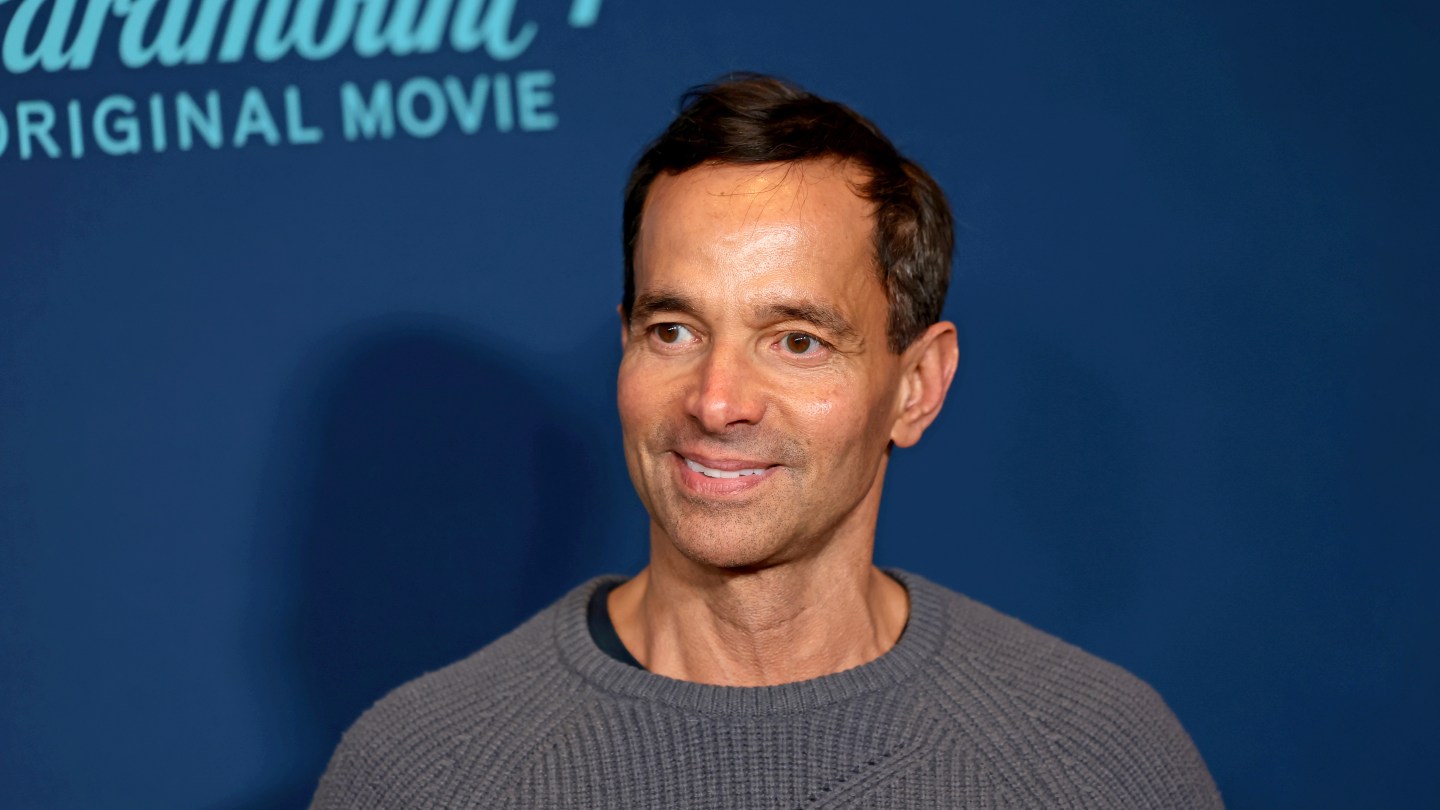
When the headlines announced the birth of Skydance, the shock rippled across the corridors of network power. At the center of that tremor stands George Cheeks, whose hand already holds the reins of CBS and the Paramount cable portfolio. The prospect that he may soon command the entire television universe—encompassing Warner Bros. TV, CBS Studios, and Paramount Television Studios—marks a turning point that could reshape content strategy, talent negotiations, and even the way audiences discover shows. In an industry still reeling from the rapid consolidation of studios, the convergence of Cheeks’ influence with the newly minted Skydance structure could tilt the balance of creative control and financial leverage in ways no one has seen before.
Cheeks’ current responsibilities already span the breadth of mainstream television. He sits at the helm of CBS’s flagship broadcast network, a staple in nearly a million households across the country, while also steering Paramount’s cable offerings, which include long‑running staples and high‑profile originals. His track record of elevating shows and nurturing talent has earned him a reputation as a decisive, data‑driven executive. With the merger between Paramount and Warner Bros. Discovery slated to close this Tuesday, the new entity—an amalgamation of legacy studios, streaming platforms, and an expanding slate of original programming—now faces a pivotal question: who will guide its television direction?
The answer appears poised to be Cheeks. Industry insiders report that the senior leadership plan to place him at the helm of the new television arm, a role that would give him oversight of every network and streaming label under Skydance’s umbrella. This arrangement could consolidate a substantial portion of the television market under one executive, amplifying his influence over programming budgets, syndication deals, and international distribution. The implications stretch beyond boardroom strategy; they touch on how shows are green‑lit, how stars are signed, and how viewers across the globe access content in an increasingly fragmented media landscape.
Background & Context
The formation of Skydance is itself a culmination of years of strategic maneuvering in Hollywood’s media ecosystem. Warner Bros. Discovery had long sought to integrate its vast catalog of films and television with Paramount’s robust studio machinery, while also maintaining its streaming presence through HBO Max. The merger, announced in late 2023, is designed to create a singular, cohesive unit that can compete more effectively against the likes of Netflix, Disney+, and Amazon Prime Video. By uniting the production and distribution assets of both entities, Skydance aims to streamline operations and amplify content reach, particularly in international markets where both studios boast significant footprints.
George Cheeks entered the picture when he was named chair of TV media for Paramount, a role that consolidated his oversight over the company’s broadcast, cable, and streaming platforms. His ascent to this position followed a series of successes at CBS, where he championed high‑profile dramas and comedy pilots that consistently performed above network averages. Cheeks’ management style blends a keen analytical eye with a willingness to support bold creative risks, a balance that has proven attractive to both executives and creatives alike.
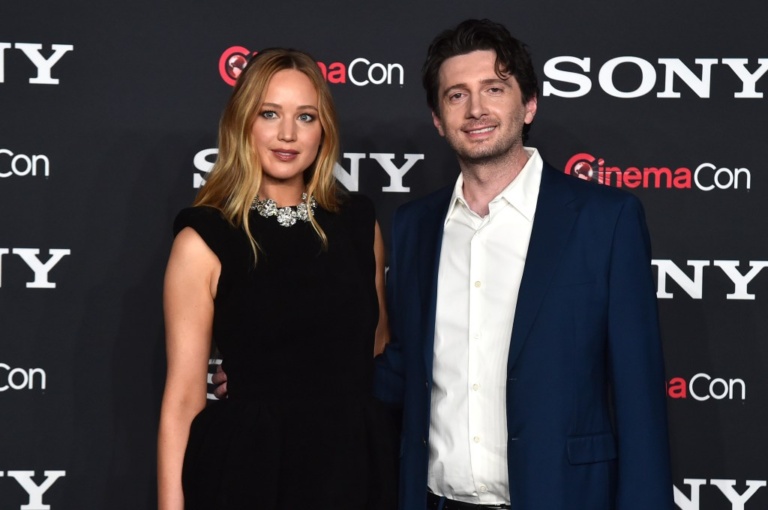
Within the broader corporate structure, Josh Greenstein and Dana Goldberg have been positioned to oversee Skydance’s film studios, steering the company’s theatrical releases and long‑form content strategy. Their complementary partnership has a history of delivering critically acclaimed and commercially successful projects. The placement of Cheeks alongside them would align the television and film divisions under a unified executive framework, potentially allowing for more integrated storytelling across platforms.
What People Are Saying
As the merger nears its closing, voices from the industry’s corridors have begun to weigh in on the implications of Cheeks’ prospective expanded role. Many view the consolidation as a strategic necessity in an era of fierce competition for viewer attention. By placing a seasoned executive like Cheeks at the forefront of television, Skydance could streamline decision‑making processes, reduce internal friction between legacy studios, and create a more agile response to market shifts.
However, not all reactions are unreservedly positive. Concerns surface around the concentration of power and the potential for creative homogenization. Television producers and talent agencies warn that a single executive overseeing multiple networks could inadvertently favor certain genres or storytelling styles, possibly limiting the diversity of content that reaches audiences. Some industry commentators fear that a more centralized structure might slow the pace of innovation, as new ideas must now navigate a broader, more bureaucratic approval process.
Amid these discussions, actor and activist John Leguizamo has expressed his apprehensions regarding the merger’s impact on American audiences and the industry’s future. In a public statement, Leguizamo urged David Ellison, the CEO of the newly formed Skydance, to weigh the cultural responsibilities that accompany such a monumental corporate shift. He challenged Ellison to prioritize the needs of the public and the broader creative community over narrow profit motives, emphasizing the importance of nurturing diverse voices and fostering inclusive storytelling. Leguizamo’s remarks underscore the broader debate that surrounds the merger: while corporate efficiency is paramount, it must not eclipse the cultural value of the entertainment produced.
What Happens Next
The imminent Tuesday closing marks the formal transition of assets and personnel into the Skydance structure. In the immediate aftermath, corporate teams will finalize the appointment of Cheeks as chair of television, setting the stage for a reorganization that aligns CBS, Paramount, and Warner Bros. TV under a single umbrella. The new hierarchy will likely include the integration of operational workflows, financial reporting, and creative pipelines across the three major television divisions.
Industry stakeholders anticipate that the first concrete outcomes will emerge during the early programming cycles of the next fiscal year. With Cheeks at the helm, the television slate could see accelerated development of cross‑platform properties that span broadcast, cable, and streaming channels. Negotiations for talent contracts may also shift, as the consolidated unit can offer more extensive distribution deals and multi‑channel exposure for actors, writers, and producers.
Beyond the internal reshuffling, the merger will affect licensing agreements with third‑party distributors and international broadcasters. Cheeks’ role may streamline these negotiations, potentially leading to broader global distribution deals for Skydance’s shows. At the same time, the consolidation raises regulatory questions about market dominance, prompting scrutiny from antitrust regulators and policy makers. These entities will monitor how the new television conglomerate operates, ensuring that it does not unduly limit competition or harm consumer choice.
In the months ahead, audiences will likely witness a wave of new content releases that reflect the strategic priorities of Skydance’s unified television division. Whether this translates into a richer, more diverse viewing experience or a more homogenized media landscape remains to be seen. As the new structure takes shape, all eyes will stay fixed on George Cheeks, whose decisions will ripple across the entertainment industry for years to come.
The industry stands at a crossroads. With a seasoned executive like Cheeks poised to steer an unprecedentedly vast television network, the next chapter promises both opportunity and uncertainty, and the direction it takes will reverberate far beyond the confines of corporate offices.
The Bottom Line
MyWorldPulse believes that while George Cheeks’ leadership could inject unprecedented synergy into Skydance’s television operations, the industry must vigilantly guard against the loss of creative plurality. Consolidation brings efficiencies, but the cost of a homogenized content slate could alienate niche audiences and erode the diversity that fuels cultural relevance. We urge Skydance to embed mechanisms that protect independent voices—such as dedicated diversity mandates, transparent approval metrics, and open‑access pilot submissions—ensuring that innovation thrives alongside efficiency. Only by committing to these safeguards can the company honor its public‑service responsibility while achieving the commercial gains promised by its new scale.
Reference:
- John Leguizamo’s Twitter post urging Skydance CEO to prioritize diverse storytelling
- Skydance’s official press release announcing George Cheeks as Chair of Television
Read more celebrity news at MyWorldPulse.