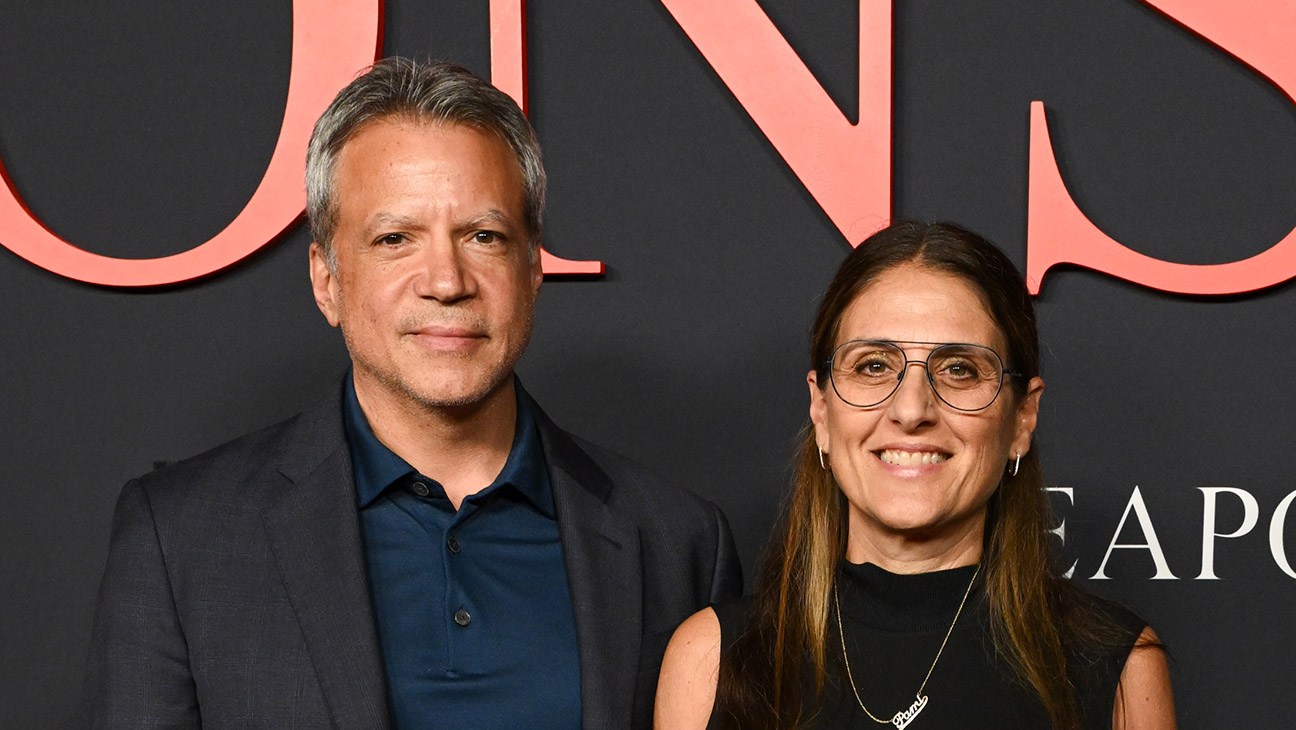
In a sudden exchange of voices that echoed through the marble corridors of Warner Bros., Mike De Luca, the studio’s long‑time chief executive, abruptly informed his board that he would be stepping down after 12 years at the helm, while President of Production Pam Abdy confirmed her departure a few days later. The news came amid a tense phone call that left insiders buzzing: was it a mutual decision, a looming ouster, or a strategic move toward a future partnership with a streaming titan like Netflix? The industry’s power players are now looking for the next act.
Mike De Luca took the reins at Warner Bros. in 2010, guiding the company through a period of explosive growth in both theatrical releases and digital ventures. Under his leadership, the studio revitalized its live‑action lineup, produced blockbuster franchises, and forged a strong presence in the rapidly evolving streaming arena. Pam Abdy, who had served as president of production since 2018, steered the studio’s creative output, shepherding a slate that ranged from intimate dramas to high‑budget spectacles. Together, they built a brand that balanced legacy and innovation, earning both box‑office success and critical acclaim. Their exits signal the end of an era and raise questions about the studio’s next chapter, as speculation abounds over whether Warner Bros. will align itself more closely with a streaming giant or carve a new path in a fragmented media landscape.
Background & Context
Warner Bros., founded in 1923, has long been a pillar of Hollywood, producing classics that shaped the industry’s golden age. By the time De Luca joined in 2010, the studio faced fierce competition from digital platforms and an uncertain theatrical environment. He answered the call, launching the Warner Bros. Digital Studio, a division that pushed the studio into the streaming sphere with high‑profile projects like The Matrix Resurrections and the Harry Potter spin‑off series. These efforts positioned Warner Bros. as a forward‑thinking studio that respected its heritage while courting new audiences.
Pam Abdy’s ascent to president of production came at a time when the studio’s output had become fragmented across numerous franchises and a handful of original films. Her focus on quality storytelling and strong character development led to a series of box‑office successes, including Wonder Woman 1984 and The Suicide Squad. Abdy’s influence extended beyond the studio’s internal divisions; she championed partnerships with independent filmmakers, bringing fresh voices to the Warner Bros. brand. Her departure, therefore, raises questions about the creative direction that will follow, especially as the industry grapples with an increasingly crowded content market.
Both executives were lauded for their stewardship, yet their tenure was not without controversy. Critics pointed to the studio’s fluctuating performance on the streaming front, noting that despite aggressive releases, the studio struggled to gain a foothold against rivals like Disney+ and Apple TV+. Rumors of an impending ouster, fueled by reports of boardroom tension, added a layer of drama to an already volatile environment. The phone call that preceded the official announcement is said to have been fraught with urgency and uncertainty, hinting at a potential clash between the executives and the board over the studio’s strategic direction.
What People Are Saying
Industry insiders describe the scene as a mix of relief and unease. Some executives applaud De Luca and Abdy for their successes, citing their knack for balancing legacy franchises with new storytelling. Others view the departures as a sign that Warner Bros. may need fresh leadership to navigate a rapidly changing media ecosystem. Rumors that Netflix is a candidate for a partnership or acquisition have become a staple of conversation in Hollywood’s water‑cooler chats. Though no formal agreement has been confirmed, the possibility of a merger or a major joint venture has intrigued analysts who see it as a way for Warner Bros. to solidify its streaming presence.
Employees within the studio have expressed mixed feelings. Many long‑time staff members credit De Luca and Abdy with creating an environment that fostered creativity and professional growth. There is a sense of nostalgia for the “old guard” and a recognition that the studio’s culture was shaped by their leadership. Yet, a palpable concern lingers about the future of projects that were in development under their tenure. The question of whether these projects will continue, shift gears, or be shelved is a point of tension among filmmakers and production crews.
There is also a broader conversation about legacy and the next chapter for Warner Bros. The studio’s historical significance, paired with the modern realities of streaming, creates a dynamic tension. Commentators note that Warner Bros. has a wealth of intellectual property that could be leveraged in a partnership with a streaming platform, especially one that can provide both financial backing and global distribution. Conversely, some argue that Warner Bros. should maintain its independence to preserve creative control and capitalize on its brand’s storied past. The debate mirrors larger industry trends where legacy studios face the choice of integration, acquisition, or reinvention.
What Happens Next
Warner Bros. has already announced a succession plan aimed at ensuring continuity while seeking fresh perspectives. A senior executive from the studio’s digital division has been elevated to interim chief executive, tasked with overseeing the transition and maintaining focus on upcoming releases. The board is actively searching for a long‑term replacement who can navigate both the theatrical and streaming domains, while also steering the studio’s strategic alliances.
Speculation about a partnership with Netflix remains high. A joint venture could combine Warner Bros.’ catalog with Netflix’s global reach, creating a platform that offers a blend of classic and new content. While no formal negotiations have been disclosed, the possibility is being explored as part of a broader strategy to strengthen the studio’s position in an increasingly competitive streaming market. Industry analysts suggest that such a partnership would require careful alignment of content strategies and revenue models, but the potential payoff could be significant.
Meanwhile, Warner Bros. is also prioritizing its existing slate of releases, with a schedule that includes high‑profile titles such as Dune: Part Two, The Batman, and the latest entries in the Fast & Furious franchise. The studio’s leadership is committed to delivering a cohesive narrative arc that appeals to both traditional audiences and streaming subscribers. As the studio navigates its next chapter, the focus will likely be on balancing the legacy of its franchises with the demands of a digital‑first world, ensuring that Warner Bros. remains a dominant force in the entertainment industry.
In the wake of De Luca’s and Abdy’s departures, the studio’s future remains uncertain but undeniably intriguing. Whether Warner Bros. chooses to partner with a streaming giant or reinvent itself under new leadership, the coming months will reveal how the studio adapts to an era where content consumption is as much about platform as it is about story.
The Bottom Line
Warner Bros. stands at a crossroads that could reshape Hollywood’s future. While a partnership with Netflix offers a powerful platform to monetize its vast catalog, it risks diluting the studio’s distinct voice and legacy. Alternatively, maintaining independence could preserve creative freedom but may leave Warner trailing behind streaming giants that already own their distribution pipelines. We believe the studio’s best path lies in forging a hybrid model—leveraging Netflix’s reach for certain titles while keeping key franchises under its own umbrella. This approach would safeguard Warner’s brand integrity while still capitalizing on the streaming boom. The industry will watch closely, and the next few months will determine whether Warner Bros. becomes a cautionary tale of integration or a blueprint for balanced evolution. —MyWorldPulse.com
Reference:
- Official announcement on Mike De Luca's LinkedIn
Read more celebrity news at MyWorldPulse.