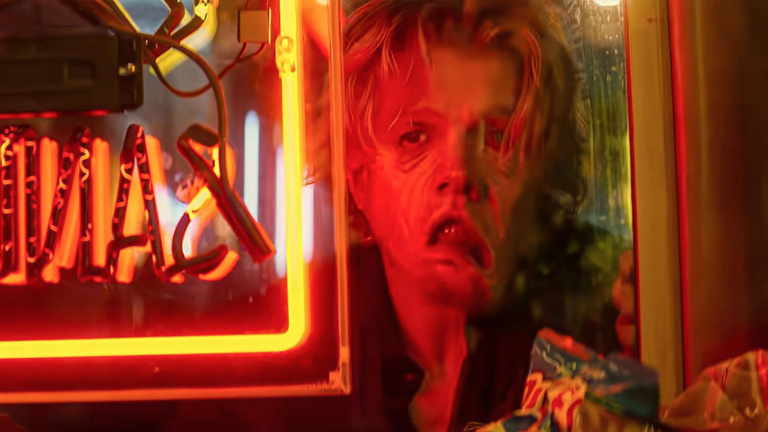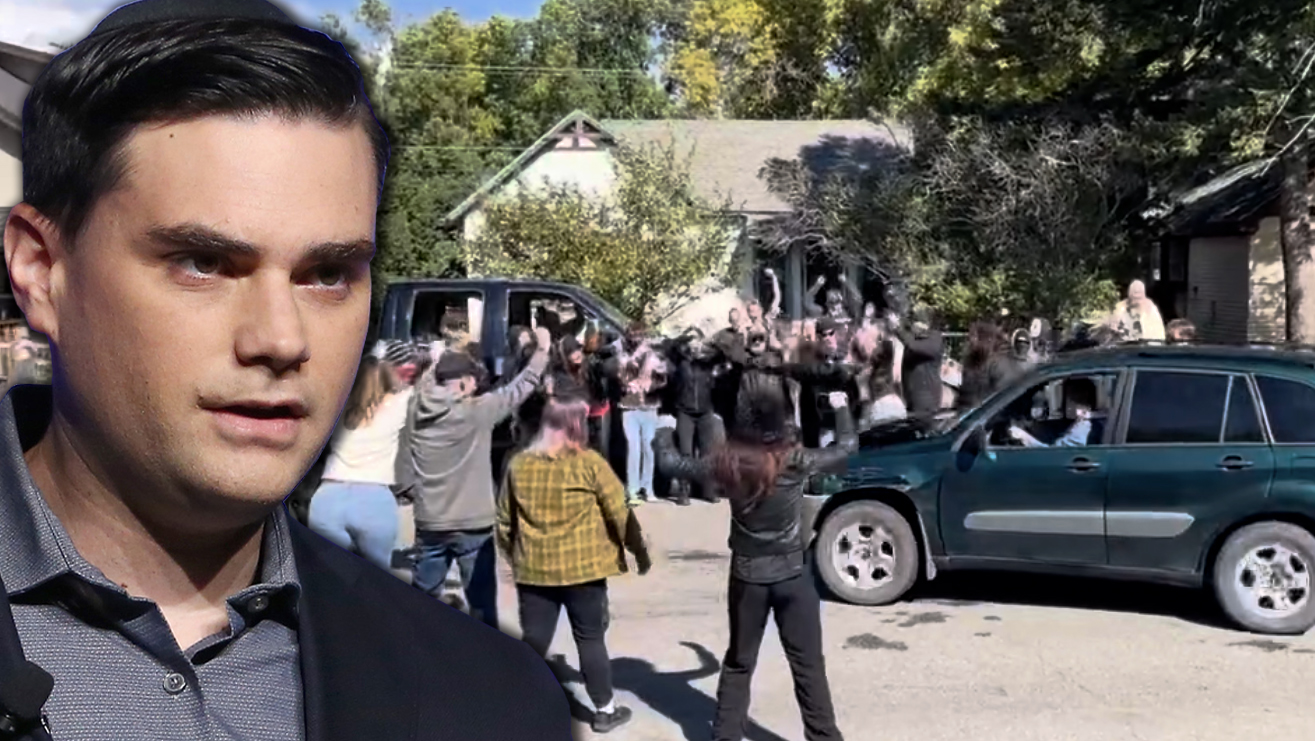
Residents of Livingston, Montana are up in arms, demanding that the Daily Wire’s new production halt amid escalating tensions that have rattled the town’s streets. The film, still in the pre‑release phase under the working title Pawn Shop, has drawn a hostile crowd to the downtown square as the crew stages scenes that some locals say disrupt commerce and blur the line between dramatization and danger.
The production, a joint venture between the Daily Wire and Dallas Sonnier’s Bonfire Legend, is a pro‑ICE statement piece. Ben Shapiro, the cable‑talk host who fronts the Daily Wire, is credited as an executive producer. The project has raised eyebrows because it employs blank gunfire, pyrotechnics, and a staged car wreck that the crew has reportedly set up without securing full safety clearance. The local business community, which relies on steady foot traffic, reports that the filming schedule has cut into shop hours, delayed deliveries, and created confusion for shoppers. The town’s mayor and the Livingston Police Department have issued statements about the need to balance creative expression with public safety.
Background & Context
Livingston, a modest town of roughly 4,000 people, has long served as a quiet waypoint for travelers heading west. Its economy is anchored by a handful of retailers, a grocery chain, and a handful of eateries that depend on daily traffic. The arrival of a high‑profile film production—especially one with a political slant—immediately struck a chord. The Daily Wire has a history of producing content that takes a hard line on immigration policy, and the Pawn Shop project is no exception. In earlier years, the outlet has faced criticism for what some describe as incendiary commentary on U.S. border enforcement. The Pawn Shop narrative is expected to showcase a gritty, no‑frills portrayal of ICE officers on the front lines, a theme that aligns with Shapiro’s brand of conservative commentary.
The filming itself has used a range of special effects that are standard for cinematic realism: blank cartridges, controlled explosions, and a car crash that was staged on a makeshift set. While filmmakers often use such techniques, the controversy stems from allegations that the crew did not obtain the full spectrum of safety permits or coordinate adequately with local businesses and residents. reportedly, the crew’s on‑set director of safety was not registered with the state’s film board, a requirement that has been cited by the Livingston City Council in prior hearings about out‑of‑state productions.
The clash between the production team and local stakeholders is not entirely new. Small towns across the country have faced similar disputes when a movie crew occupies streets, uses heavy equipment, and demands that businesses close for days. The unique element here is the political lens that the film brings, which many locals see as an external attempt to shape public opinion about ICE policy from a remote location.
What People Are Saying
The protest in Livingston has taken a surprisingly organized form. A coalition of shop owners, community leaders, and local residents have gathered in the town square, holding signs that read “Keep Livingston Safe” and “Stop the Shoot” while holding up placards detailing how the production has impacted their revenue. While no single statement has emerged from the protestors, their collective message is clear: the film’s presence has turned their daily routine into a logistical nightmare.
City officials have reiterated that they are reviewing the production’s permits, citing a lack of transparency in the crew’s safety protocols. They have emphasized that any film production that wishes to film in the area must obtain clearance from both the state’s film office and the Livingston Police Department. The police department, in turn, has noted that it has not yet received a copy of the film’s full safety plan, a document that is required for the use of pyrotechnics and live‑fire exercises. As a result, the police department has requested that the crew halt any further scenes until compliance is verified.
On the other side, the production company has maintained that the crew is operating under the standard safety regulations and that the scenes in question are necessary to convey a realistic portrayal of ICE operations. They have stated that the use of blank firearms and controlled explosions follows the guidelines set by the American Film Production Safety Committee. While they have not publicly disclosed the details of their safety plan, the company has said it is willing to collaborate with local authorities to address concerns.
The political dimension adds a layer of complexity. The film’s pro‑ICE stance is interpreted by many locals as a direct challenge to the town’s values. Livingston, known for its tight-knit community and a history of progressive local politics, sees the production as an intrusion. The protests, therefore, are not merely about logistics; they also reflect broader national debates about immigration enforcement and media representation.
What Happens Next
The immediate next step for the production crew is to comply with the demands of the Livingston authorities. The crew’s safety director has reportedly reached out to the city council to submit a revised safety plan that meets state requirements. Whether this will be sufficient to satisfy the police department’s concerns remains to be seen. In the meantime, the filming schedule has been put on hold, with the crew citing “unforeseen logistical complications” as a reason for the pause.
City officials have indicated that they will hold a public meeting within the next two weeks to discuss the issue further. The town council will review any updated safety plans submitted by the production, and they will also consider the financial impact on local businesses. The meeting is expected to be a platform for residents to voice their concerns and for the film crew to explain the artistic and logistical demands of their project.
For the film’s future, the delay may push back its release window. While the production has not yet issued a new timeline, it is likely that any postponement will affect marketing campaigns that are tied to the film’s political messaging. Industry insiders suggest that a delay of even a few weeks could have ripple effects, potentially altering the film’s release date to avoid clashes with upcoming political events.
Meanwhile, the Livingston community remains on alert. The town’s residents have organized a neighborhood watch in anticipation of any further filming. The local chamber of commerce has asked for a more transparent communication channel from the production team, hoping to avoid similar disruptions in the future. The conversation between filmmakers and small towns has become a microcosm of the broader dialogue about how media, politics, and community life intersect.
In the days ahead, the town’s response to the production’s compliance efforts will be a barometer of how local communities navigate external creative enterprises. Whether the film will resume, or the production will ultimately relocate, hinges on a combination of safety compliance, political pressures, and the economic realities of a town that has always valued its quiet way of life.
The unfolding situation in Livingston underscores a recurring theme in the entertainment industry: the need for a respectful partnership between filmmakers and the communities that host them. As the town waits for the next official announcement, the debate continues, reflecting a clash between artistic ambition and communal well‑being.
The Bottom Line
MyWorldPulse.com believes that while art should push boundaries, it cannot do so at the expense of the very people who make production possible. The Livingston protests are a stark reminder that film crews must treat host communities as partners, not merely props. Before a crew arrives, comprehensive safety plans—verified by state film boards and local law enforcement—should be shared publicly. Equally important is a transparent communication channel that keeps business owners, residents, and officials informed about filming schedules, potential disruptions, and mitigation measures. When production teams engage with local chambers of commerce and civic leaders from the outset, they not only reduce friction but also foster goodwill that can translate into positive reception and smoother distribution. The political slant of the Daily Wire’s upcoming film adds another layer of scrutiny; audiences increasingly demand accountability from content creators, especially when the narrative touches on sensitive issues like immigration enforcement. By prioritizing community well‑being alongside creative ambition, filmmakers can maintain artistic integrity without compromising public safety or eroding trust. Ultimately, a respectful partnership is the only sustainable path forward for an industry that thrives on collaboration and shared narratives.
Reference:
- Ben Shapiro's official tweet announcing the production
- Livingston City Council's official tweet on film safety concerns
Read more celebrity news at MyWorldPulse.