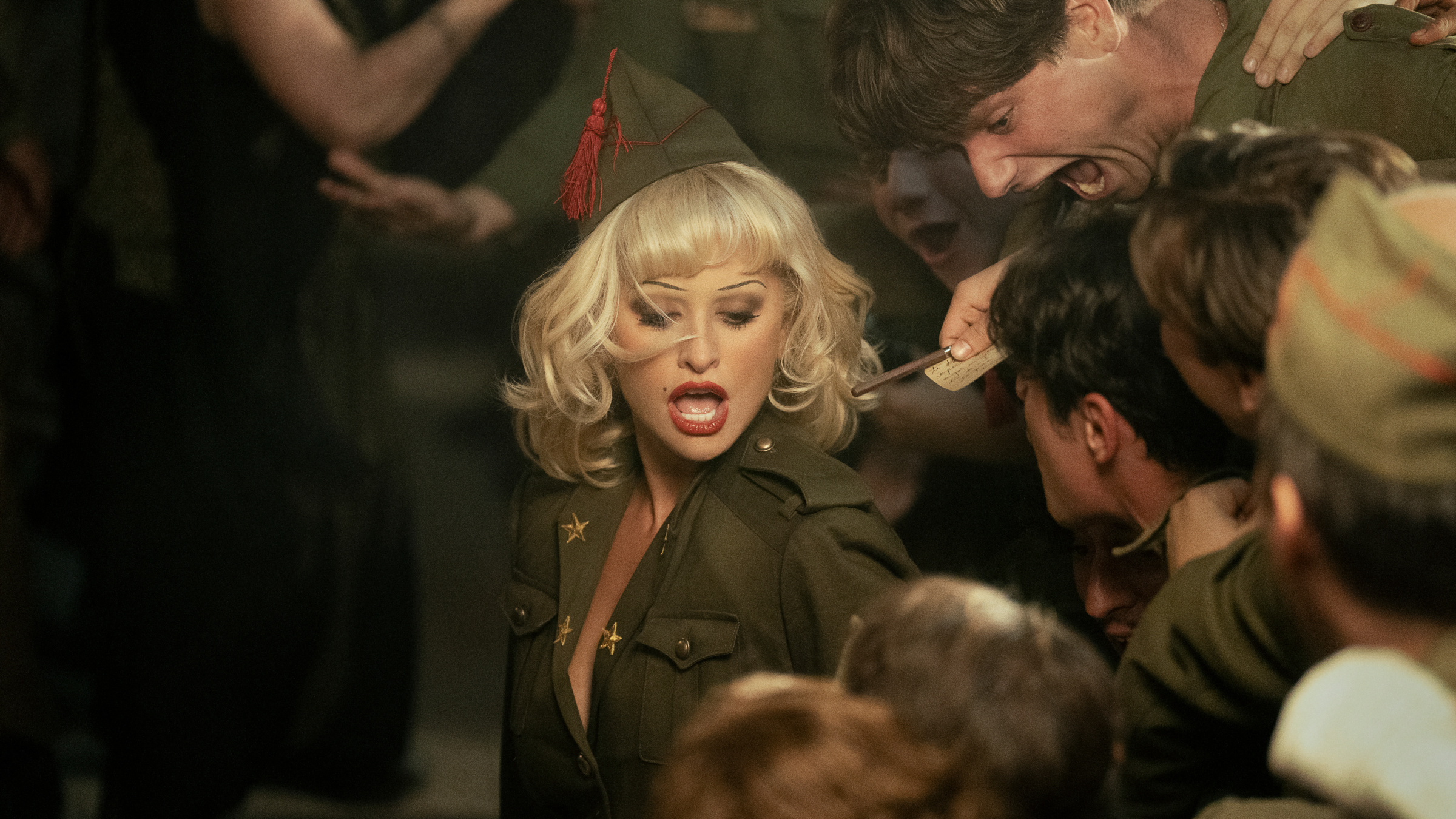
Penélope Cruz stepped onto the Cannes red carpet in 2024, her presence a whirlwind that brought the Spanish film La Bola Negra to life. The movie, which earned Spain’s entry for the festival, finds Cruz portraying a singer‑turned‑force of nature, a role she embraces with the intensity that has defined her career. The story, directed by the dynamic duo Los Javis, has already ignited conversations about gender, power, and the blurred line between myth and reality in contemporary Spanish cinema.
Six months after the dramatic exit of her character Sophia, Rachel Boyd re‑enters the familiar streets of Salem. In Days of Our Lives, the long‑running soap opera on Peacock, Boyd returned with a hardened, more independent version of Sophia—someone who survived a near‑death experience and is now ready to rewrite her own narrative. Her return, announced last month, has sent shockwaves through the fan community, many of whom had mourned Sophia’s loss as permanent.
These two moments, separated by geography and genre, share a common thread: the resilience of performance and the audience’s longing for new beginnings. Both Cruz and Boyd demonstrate how a single actor can pivot from loss to rebirth, inviting viewers into fresh chapters that promise intrigue and emotional depth.
Background & Context
Los Javis, the creative partnership of Javier Ambrossi and Javier Calvo, had long admired Cruz’s work. The duo’s vision for La Bola Negra—a story steeped in Andalusian folklore and contemporary feminist themes—required an actress who could embody both vulnerability and fierce independence. Cruz’s acceptance of the role marked a pivotal point in the film’s development, providing the gravitas needed to secure Spain’s spot at Cannes. The film’s narrative follows a woman who challenges societal norms by asserting control over her own body and destiny, a theme that resonates across borders.
In the world of daytime television, Sophia’s storyline had reached a turning point earlier this year. The character’s death was intended to shock audiences, but in true soap fashion, the writers kept an open door for future resurrection. Boyd’s initial departure was treated with a sense of finality that reflected her own desire for authenticity; she did not want to return unless the story warranted it. After six months of seclusion, the show’s co‑executive producer Noel Maxam revealed a compelling arc that would transform Sophia into a stronger, more self‑sufficient force within Salem’s turbulent dynamics.
While the two projects inhabit distinct realms—one a cinematic tour de force and the other a long‑running serialized drama—both illustrate how actors and writers collaborate to evolve characters in ways that honor past narrative beats while paving the way for new twists. The parallel journeys of Cruz and Boyd highlight the enduring power of storytelling to adapt, surprise, and re‑engage audiences.
What People Are Saying
Critics at Cannes praised La Bola Negra for its bold storytelling and Cruz’s commanding performance. Reviewers noted how her portrayal of a singer who becomes a mythic figure underscores the film’s commentary on agency and cultural identity. Fans across social media echoed this sentiment, applauding the film’s ability to blend humor and horror while staying grounded in human emotion. The buzz surrounding Cruz’s role is already influencing discussions on how Spanish cinema is redefining its place on the global stage.
Meanwhile, Days of Our Lives viewers reacted with a mix of disbelief and excitement. Boyd openly admitted that she had “wanted to treat that storyline as a real ending,” but after hearing the new direction from producers, she “was so thrilled and said yes immediately.” Her comment that “I remember hearing that nobody really dies in Salem” captured the show’s tradition of resurrection, while also acknowledging her personal boundary of protecting Sophia’s narrative. Fans appreciate the authenticity in Boyd’s stance, which lends credibility to the character’s reinvention.
Both stories demonstrate a growing appetite among audiences for complex, layered character development. Cruz’s portrayal challenges viewers to question the limits of performance, while Boyd’s return promises a redefinition of the classic soap trope. The enthusiastic reception from fans underscores the impact of thoughtful storytelling in creating enduring connections between actors and their audiences.
What Happens Next
La Bola Negra is slated for a limited theatrical run in Spain before its wider release across European markets. Los Javis are optimistic that the film’s resonance will translate into award recognition, potentially boosting Spain’s prospects in upcoming international categories. The team plans to leverage the Cannes buzz to secure distribution deals in the U.S. and other key territories, hoping to introduce the film’s themes of empowerment and mythic identity to a broader audience.
In Salem, Sophia’s new trajectory is already shaping upcoming storylines. With her newfound independence, she is expected to clash with former allies and confront unresolved conflicts involving Tate and Holly, whose own exits from the show are looming. The writers hint at a series of high‑stakes confrontations that will test Sophia’s resilience and potentially reshape the power dynamics among the main cast. Boyd’s return also sets the stage for exploring deeper themes of redemption and survival, aligning with the show’s tradition of using personal tragedy to propel character growth.
Both productions illustrate the evolving nature of narrative in modern media. Whether through the lenses of a Cannes‑premiered film or a long‑running soap opera, the central idea remains: characters can evolve, return, and redefine themselves, captivating audiences who crave authenticity and fresh perspectives. As La Bola Negra ventures into international markets and Sophia steps back into Salem’s streets, the entertainment world watches with anticipation, eager to see where these renewed journeys will lead.
The Bottom Line
Both Penélope Cruz’s Cannes spectacle and Rachel Boyd’s comeback illustrate a shifting industry narrative: resilience, reinvention, and the power of myth in modern storytelling. The Spanish film’s bold reimagining of a female singer as a mythic figure is more than a character arc—it is a statement about agency, identity, and the global reach of Spanish cinema. Simultaneously, the soap‑opera world’s willingness to resurrect Sophia speaks to a deeper cultural truth: audiences crave continuity and the emotional payoff that only a familiar face can deliver. This duality underscores that storytelling, whether on the silver screen or a television set, thrives when it honors past beats while boldly charting new terrain. As the world watches these actors navigate their own rebirths, we see a broader lesson: the heart of entertainment lies in authenticity, and the audience rewards narratives that stay true to human experience, even when the story’s surface changes. —MyWorldPulse Editorial
Reference:
- Official post on Penélope Cruz's verified Instagram
- Official post on Rachel Boyd's verified Twitter
Read more celebrity news at MyWorldPulse.