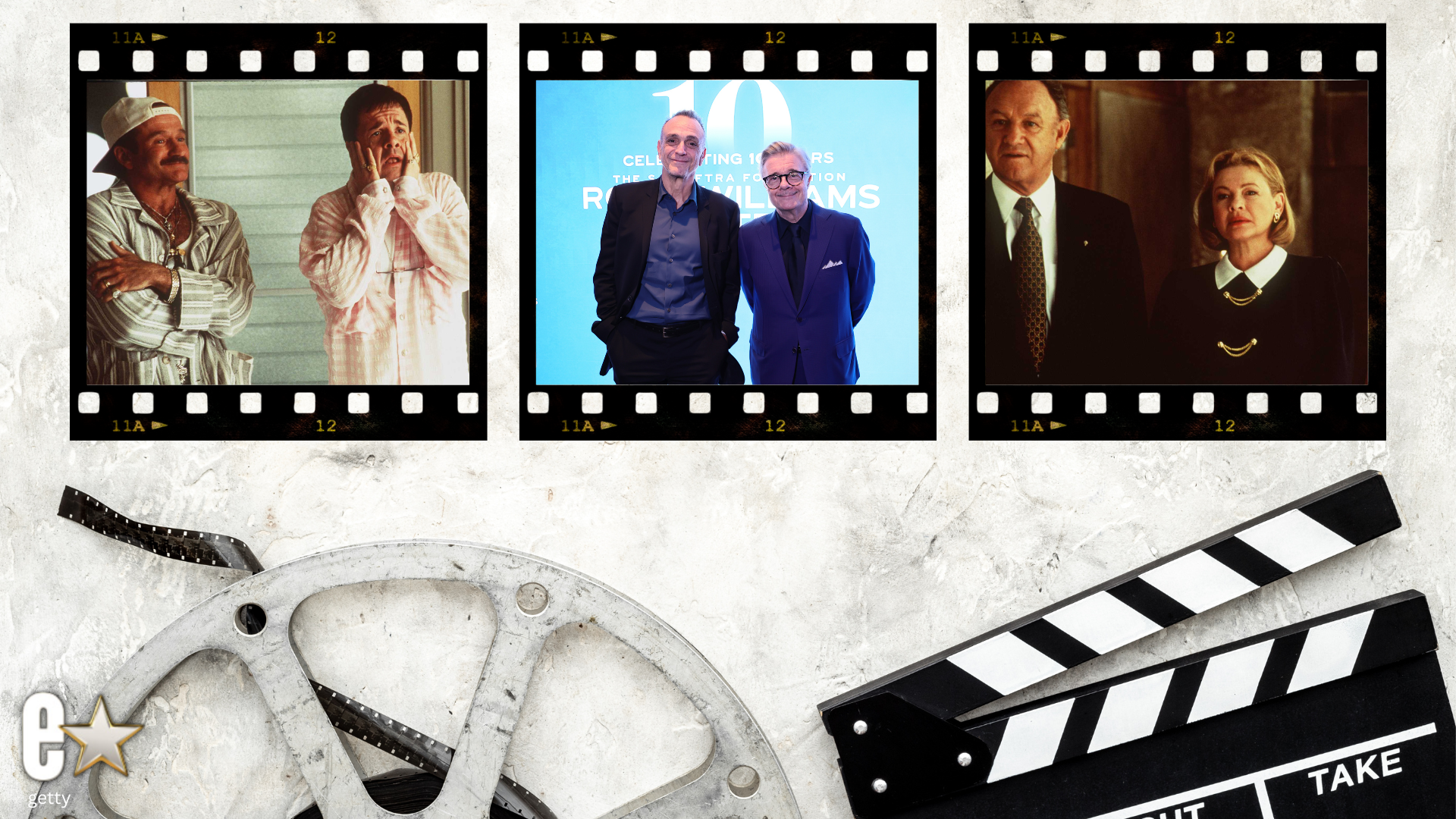
In a quiet but poignant gathering that echoed through the corridors of comedy history, Hank Azaria and Nathan Lane stepped onto the stage of their shared past, the 30‑year anniversary of a film that had defined a generation of laughs. The reunion, staged in an intimate setting, carried a dual purpose: to reminisce about the joy of bringing “The Birdcage” to life and to pay tribute to two of its most beloved co‑stars, the late Robin Williams and Gene Hackman. In the midst of a world that had lost those luminous talents, the actors found a moment to remember, to honor, and to celebrate the power of partnership that had made the movie a milestone.
The film’s original release in 1996 came at a time when Hollywood was reshaping the boundaries of romantic comedy, daring to tackle subjects that had once seemed unfilmable. “The Birdcage” was adapted from the French play and film “La Cage aux Folles,” a story that had already won critical acclaim and sparked conversations about identity and acceptance. The movie itself became a cultural touchstone, blending sharp wit with heartfelt moments and leaving an indelible mark on audiences worldwide. The cast—Robin Williams as the flamboyant club owner Armand Goldman, Nathan Lane as his devoted partner Albert, Hank Azaria as the flamboyant yet vulnerable character in a key supporting role, and Gene Hackman as the stern, anti‑gay senator—created a dynamic that was as daring as it was entertaining.
Years after its release, the film’s legacy continued to grow. Fans re‑watched the movie on streaming platforms, sharing clips that reminded them of the sharp lines and the tender glances that had become part of their personal memories. Critics revisited the film’s thematic bravery, noting how it paved the way for later stories that tackled LGBTQ+ issues with both humor and sensitivity. The anniversary was a perfect moment to gather the original performers, to revisit the scenes that had sparked laughter and conversation, and to remember the actors whose voices—both literal and metaphorical—still resonated.
Background & Context
The story that “The Birdcage” brings to life revolves around a flamboyant drag club in South Beach, New York, owned by Armand Goldman, an openly gay man portrayed by Robin Williams. His partner, Albert, played by Nathan Lane, co‑runs the club and shares the same fierce spirit. When Armand’s son, Val, declares his engagement to Barbara, the daughter of Senator Kevin Keeley—portrayed by Gene Hackman—a figure known for his ultra‑conservative stance—the plot thickens. Senator Keeley’s disapproval threatens to shatter the marriage, and the club owners must improvise a cover story: Armand must feign a heterosexual marriage to placate the senator’s disapproving mother, while his own true identity is kept under wraps.
The film’s director, Mike Nichols, known for his sharp comedic timing and keen eye for character, brought a unique blend of humor and pathos to the adaptation. The screenplay, adapted by Elaine May, translated the French play’s energy into a distinctly American flavor, complete with sharp dialogue and memorable musical cues. The ensemble cast—featuring Christine Baranski as Katherine, Dan Futterman as Val, and Calista Flockhart as Barbara—contributed to a tapestry of performances that blended slapstick with emotional depth.
“The Birdcage” arrived at a moment in cinematic history when audiences were beginning to appreciate stories that challenged traditional norms. It earned positive reviews for its boldness and received accolades for its performances, especially for the way Williams, Lane, and Hackman interwove comedic energy with heartfelt sincerity. The film’s success cemented its place as a cultural touchstone, influencing later works that dared to approach LGBTQ+ topics with humor and respect.
What People Are Saying
When Nathan Lane appeared on a popular radio program earlier this year, he reflected on the film’s 30th anniversary with a sense of nostalgia and reverence. He recalled that the role of Albert was initially slated for a different actor, noting, “It was supposed to be Steve Martin and Robin. Robin was gonna play the part I played. Steve had another commitment, and Robin thought because he had played Mrs. Doubtfire, he should play the more subdued role. That’s why the part opened up.” Lane’s recollection offers insight into the fluidity of casting decisions behind the scenes, and how the eventual pairing of Williams and Lane brought a particular chemistry to the screen.
Lane also spoke candidly about the personal impact of working alongside Williams. He described the late actor as “the brilliant, most generous soul” and noted, “He was kind. We did have a dinner after it was all over, and he did say to me, there were times when he watched and he thought, you know, ‘Did I make the right decision?’ Because, you know, I got to do a lot of fun things, but no one could have been more supportive and loving.” These words capture the mutual respect and friendship that developed during production, reminding audiences that the film’s success was built upon genuine human connections.
The reunion was met with a wave of warmth from fans across social media platforms. Viewers shared their own memories of the film, often pairing them with clips of the 30‑year anniversary gathering. Comments expressed gratitude for the opportunity to celebrate Williams’ comedic genius and Hackman’s legacy as an actor who navigated a range of roles with distinction. In a time where the entertainment industry has had to reckon with the loss of many of its own, the reunion served as a collective moment of remembrance, reaffirming the impact these performers had on audiences worldwide.
What Happens Next
The 30‑year anniversary gathering, while a nostalgic trip down memory lane, also laid the groundwork for future retrospectives and projects that could honor the legacy of those who had shaped the film. The renewed attention to “The Birdcage” has sparked discussions about potential streaming specials or behind‑the‑scenes documentaries that could explore the creative process, the challenges of adapting a foreign play, and the dynamics that made the ensemble perform so effectively. The film’s enduring popularity suggests that its themes continue to resonate, prompting conversations about how such stories can be re‑examined and celebrated in contemporary contexts.
Both Azaria and Lane have used the occasion to reflect on their careers, highlighting how the film remains a touchstone in their professional journeys. They spoke about the continued influence of their work on audiences and how revisiting the film allows them to honor their late colleagues. Their comments reinforce the idea that the film’s legacy is not only preserved through its original release but also through the ongoing dialogue and tribute it inspires.
Looking ahead, the possibility of a reunion film or a live stage adaptation remains a tantalizing prospect for fans, though no concrete plans have been announced. Meanwhile, the film’s anniversary has already prompted a resurgence of interest in the original work, encouraging new audiences to discover the story that once pushed cultural boundaries. In the broader landscape, this resurgence underscores the lasting power of comedy as a vehicle for both humor and meaningful reflection.
In a world that keeps moving forward, the 30‑year reunion of Hank Azaria and Nathan Lane reminds us that the echoes of laughter, generosity, and the courage to be oneself can endure, echoing across decades and inspiring those who come after.
The Bottom Line
The Birdcage’s reunion is a reminder that comedy’s greatest gifts are its ability to unite people and its power to push boundaries. By bringing Hank Azaria and Nathan Lane together, the film’s creators have honored the late Robin Williams and Gene Hackman while reaffirming the film’s message of acceptance and authenticity. This moment of remembrance also highlights the lasting relevance of the story’s themes, proving that humor can serve as a conduit for social change. As the industry looks toward new projects, the legacy of Birdcage offers a blueprint for blending sharp wit with genuine empathy. For the audience, the reunion provides a comforting bridge between past and present, reminding us that laughter is most powerful when shared. MyWorldPulse believes that honoring the past, while daring to innovate, is the path forward for entertainment that resonates across generations.
Reference:
- Official post on Hank Azaria's verified Instagram
- Official post on Nathan Lane's verified Twitter
Read more celebrity news at MyWorldPulse.