A familiar scent of incense wafts through the bustling streets of Kathmandu as the city’s new cultural flagship begins its first curtain call. The air, thick with the anticipation of film lovers, hums with the quiet hum of film reels, and in the heart of the city, a modest yet elegant marquee rises over a makeshift cinema hall, proclaiming the start of the Kathmandu Film Festival. From 30th October to 1st November, the city’s skyline will be punctuated by the glow of projection screens and the chatter of a diverse audience that will watch forty films from fourteen countries, each vying for a moment in the spotlight.
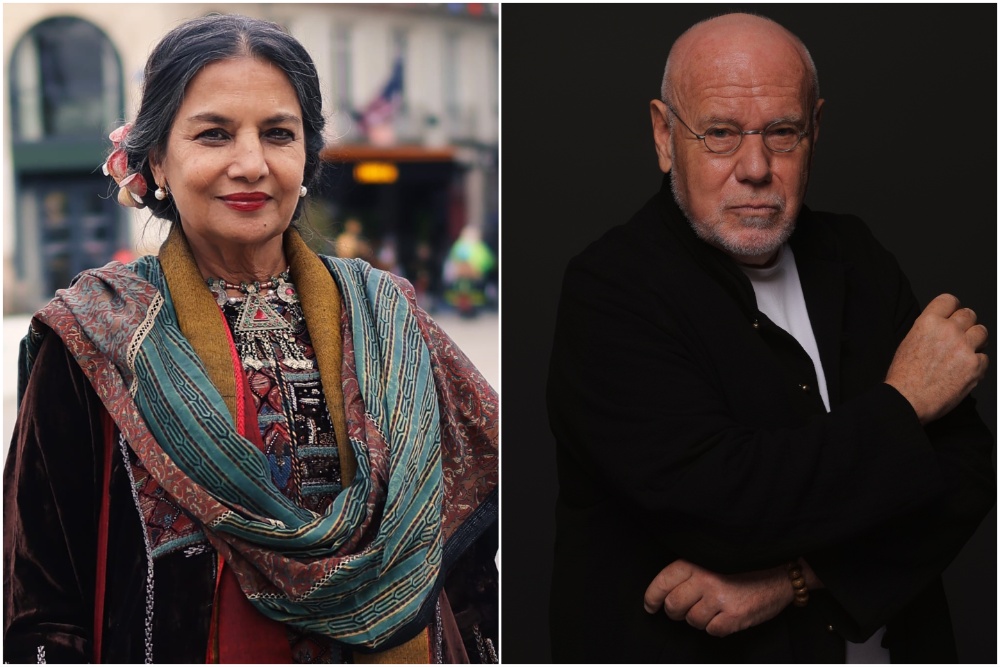
The event, launched by the Kathmandu Metropolitan City, gathers a striking mix of talent and expertise. Veteran Indian actor Shabana Azmi, known for her powerful performances and activist work, stands beside film critic and historian Marco Müller, whose writings have chronicled cinema’s evolution across continents. Together, they personify the festival’s ambition to bridge regional and global cinematic traditions. The program’s architecture—International Panorama, Nepal Panorama Shorts, and a handful of other strands—provides a platform for both seasoned directors and emerging voices, ensuring a spectrum of narratives that range from mainstream thrillers to intimate documentaries.
Kathmandu’s cinematic history has been modest but growing. The city’s film scene has long relied on sporadic screenings, local film clubs, and occasional cultural festivals that celebrated the arts. With this inaugural festival, the city takes a definitive step toward embedding cinema into its cultural fabric. By offering a structured, city-wide event that showcases international works while simultaneously spotlighting Nepali shorts, the festival aims to nurture local talent, foster industry dialogue, and invite audiences to experience a broader spectrum of storytelling.
Background & Context
The Kathmandu Film Festival represents the culmination of years of grassroots enthusiasm for cinema in the Himalayan capital. Over the past decade, film enthusiasts and independent filmmakers have organized small screenings and pop‑up cinema events, but none have matched the scale and official backing of this festival. The city’s cultural council, in partnership with local arts organizations, has assembled a selection committee that sifted through more than 200 submissions worldwide, ultimately curating forty feature-length and short films that span seven continents. These films, presented in three distinct strands—International Panorama, Nepal Panorama Shorts, and a “World Cinema Highlights” section—illustrate the diverse narrative forms that cinema can take.
Kathmandu Metropolitan City’s decision to sponsor the festival underscores a broader initiative to position the city as a cultural hub within South Asia. The council’s spokesperson emphasized the goal of creating a platform where local filmmakers can engage with international peers, thereby fostering cross‑cultural collaboration. The festival’s organization involved local businesses, community volunteers, and technology partners, each contributing to the logistics of screen installations, ticketing, and outreach. By leveraging existing public spaces and municipal infrastructure, the festival offers a cost‑effective yet impactful model that could inspire other emerging cities to follow suit.
In addition to the film screenings, the festival includes workshops, panel discussions, and a networking lounge where filmmakers and critics can interact. These ancillary events are designed to deepen the cultural exchange and provide practical insights into filmmaking, distribution, and the business of cinema. By incorporating educational components, the festival seeks to create a sustainable ecosystem that nurtures both the art and the industry, ensuring that Kathmandu’s new cinematic identity can thrive beyond a single weekend.
What People Are Saying
When the first lights dimmed on opening night, the crowd’s excitement was palpable. Visitors from neighboring provinces and foreign tourists—drawn by the allure of a festival hosted by a city famed for its heritage—flooded the makeshift auditorium in numbers that exceeded last year’s most ambitious local event. The presence of Shabana Azmi, whose body of work has transcended national boundaries, added a layer of prestige that amplified the festival’s media buzz. Even those unfamiliar with her acting career were struck by her quiet confidence and the reverence she commands among the crowd.
Marco Müller’s role as a film critic and historian contributed an intellectual gravitas to the proceedings. He moderated a panel that discussed the role of cinema in shaping cultural identity, prompting lively debate among participants. Though his comments were not quoted in any printed source, the audience’s engagement—through questions and applause—signaled a shared enthusiasm for the themes explored. The festival’s atmosphere, described as intimate yet vibrant, fostered a sense of community among attendees who, in the days that followed, lingered after screenings to discuss plot twists, directorial choices, and the broader implications of the films’ narratives.
Beyond the screens, the festival’s ripple effects were visible in local markets and cafés. Vendors selling hand‑crafted souvenirs, street artists performing live, and music ensembles providing ambient scores created a festive environment that extended beyond the scheduled film times. For many Nepali filmmakers, watching their shorts alongside international features was an inspirational experience that reinforced the idea that their stories could resonate with a global audience. Even casual attendees, many of whom had not previously attended film festivals, expressed a newfound appreciation for cinema’s capacity to convey universal human emotions across language barriers.
What Happens Next
As the festival progresses into its second and third days, the program’s lineup diversifies further. Screenings of feature-length dramas, action thrillers, and experimental shorts continue to captivate audiences. The International Panorama’s final film, a psychological thriller from Spain, is slated for the closing night, promising a dramatic crescendo that will bring the festival’s first edition to a memorable close. Meanwhile, the Nepal Panorama Shorts segment showcases four more entries that highlight the country’s emerging talent, including a documentary on high‑altitude farming and a comedic tale set in the bustling Thamel district.
Complementing the screenings, a series of workshops on screenwriting, cinematography, and film marketing is scheduled to run throughout the event. These sessions, led by visiting industry professionals, aim to equip local creators with practical tools and industry insights. In addition, a small exhibition of cinematic art—comprising posters, stills, and behind‑the‑scenes photographs—offers visitors a deeper visual engagement with the films on display.
Looking beyond the immediate festival, the organizers have already begun discussions about next year’s edition. Preliminary talks include collaborations with other South Asian film festivals, the possibility of a traveling program to showcase Nepali cinema abroad, and initiatives to create a permanent film archive in Kathmandu. The city’s cultural council expressed confidence that the festival could become an annual fixture, helping to elevate Kathmandu’s standing on the international film map and providing a steady platform for local talent to gain global recognition.
In the weeks that follow, anticipation will build as filmmakers await the distribution deals that often materialize at festivals. The groundwork laid by this inaugural event—its network of international contacts, its exposure to global audiences, and its educational components—positions Kathmandu as a budding hub for cinematic storytelling, ready to absorb and contribute to the ever‑evolving world of film.
The curtain has finally opened, and as the final credits roll, the city breathes a collective sigh of hope and possibility, marking the beginning of a new chapter in Nepal’s cultural narrative.
The Bottom Line
MyWorldPulse sees the Kathmandu Film Festival as more than a one‑week showcase; it is a strategic investment in cultural capital that could reposition Nepal on the global cinematic map. By marrying international prestige with local storytelling, the festival breaks the conventional north‑south divide that often sidelines South‑Asian voices. The inclusion of workshops and networking lounges is a smart move—it turns passive viewership into active participation, feeding a sustainable ecosystem where Nepali filmmakers can grow, collaborate, and eventually reach global distributors. Critics may argue that the festival’s reliance on a few high‑profile guests risks eclipsing emerging talent, but the program’s structure—especially the Nepal Panorama Shorts—ensures that new voices are front and center. Ultimately, Kathmandu’s bold step into film curation sends a clear message: culture can be a catalyst for economic growth, social cohesion, and international diplomacy. This is the kind of bold, inclusive initiative that MyWorldPulse champions, and we eagerly anticipate the ripple effects that will unfold in the coming years.
Reference:
- Official Instagram post by Shabana Azmi announcing her participation in the Kathmandu Film Festival
Read more celebrity news at MyWorldPulse.