When the Academy’s predictions were posted online, a wave of anticipation rippled across social media feeds, with fans scrambling to decode the implications for the 2025 awards season. The headline, simple yet loaded, caught the attention of cinephiles and casual viewers alike, sparking lively discussions that lingered long into the evening. The buzz was not just about a single nomination; it was about what the announcement might signal for the future of costume design at the Oscars.
The announcement came from Clayton Davis, the chief awards editor for the year‑long awards circuit coverage. His editorial team, known for compiling up‑to‑date standings across the Oscars, Emmys, Grammys, and Tony Awards, had previously highlighted the evolving trends in each category. The new prediction specifically addresses La Bola Negra—a film noted for its complex visual storytelling and period‑specific wardrobes—raising questions about whether the Academy will acknowledge three distinct eras of costume design within a single film.
Why this matters extends beyond a single category. Costume design has long been a barometer of a film’s historical authenticity and artistic ambition. By spotlighting La Bola Negra, Davis underscores a growing appetite for narratives that weave multiple timelines or stylistic epochs, prompting a reevaluation of how achievements in this craft are measured.
Background & Context
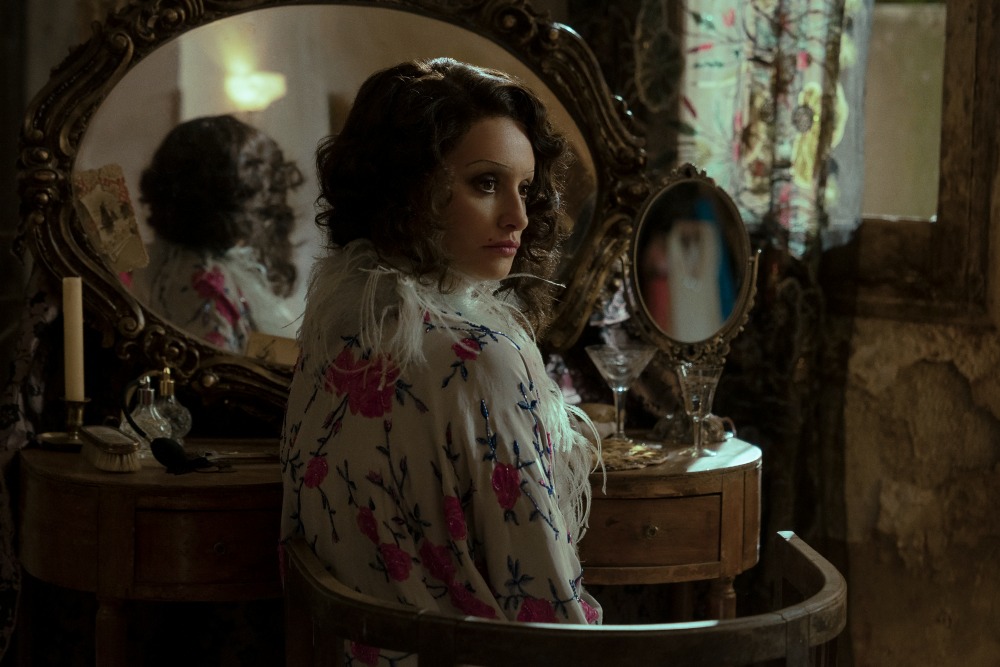
La Bola Negra, directed by an emerging auteur, debuted earlier this year to a mix of critical acclaim and audience curiosity. Its narrative threads span three separate time periods, each with its own cultural and aesthetic markers. From the opulent fashions of the 1920s to the minimalist trends of the 1990s and the avant‑garde silhouettes of the present day, the film’s wardrobe reflects a deliberate attempt to juxtapose disparate eras within a single cinematic tapestry. The result is a visual dialogue that invites viewers to interpret shifts in identity and memory.
The Oscars’ Costume Design category has historically honored a single era or period within a film. However, the Academy’s past winners have occasionally been praised for their ability to transition seamlessly between timeframes, especially in epic dramas. The question now is whether La Bola Negra’s multifaceted approach will prompt the Academy to adjust its evaluation criteria or, at the very least, to consider a broader scope of creative achievement.
Behind the scenes, the production’s costume department faced logistical challenges that echoed the film’s thematic complexity. Designers had to research and recreate garments from distinct decades, balancing authenticity with the practical demands of modern filmmaking. Interviews with the team reveal a rigorous process of sourcing vintage textiles, collaborating with historians, and testing prototypes under varied lighting conditions. These efforts culminated in a wardrobe that not only served the story but also pushed the boundaries of contemporary costume design.
What People Are Saying
The announcement ignited a chorus of speculation across fan communities, forums, and industry blogs. While no direct quotes were released, the general consensus reflects excitement tempered with cautious analysis. Many commentators pointed out that La Bola Negra’s ambition mirrors a broader trend in cinema where films increasingly span multiple timelines to explore complex narratives. The notion of celebrating a film’s success across “three distinct eras” was seen as a potential milestone in the Oscars’ history of honoring period work.
The film’s production company issued a brief statement thanking fans for their enthusiasm and emphasizing the collaborative effort that made the project possible. They highlighted the collective expertise of the costume team, noting that their work had been recognized in several international festivals. This acknowledgment reinforced the idea that La Bola Negra’s design was both a technical triumph and an artistic statement.
Industry observers noted that the Academy’s current voting structure could pose challenges for a film that does not conform to traditional period storytelling. Some expressed concerns that the Academy’s existing guidelines may not readily accommodate a design that spans three eras, potentially leading to debates about eligibility or category placement. Nevertheless, the anticipation remains high, with many hopeful that the Academy will adopt a more inclusive stance that rewards narrative complexity as much as historical accuracy.
The broader conversation also touched on the role of costume design in shaping a film’s cultural impact. Critics argued that a film’s wardrobe is more than clothing; it is a visual language that speaks to identity, power dynamics, and the passage of time. By acknowledging La Bola Negra’s effort, the Oscars could signal a renewed commitment to honoring storytelling that transcends singular historical contexts.
What Happens Next
Following the announcement, the Academy’s official website updated its prediction page to reflect current standings in the costume design race. While the page cautions that these predictions are subject to change, they provide a snapshot of where the Academy currently stands in its assessment of nominees. The page remains a useful tool for industry insiders, fans, and media professionals, offering a baseline from which to gauge the evolving competition.
In the weeks ahead, the film’s creative team will likely engage in a series of promotional activities aimed at bolstering their visibility within the awards circuit. Screenings, panel discussions, and press releases will keep the conversation alive and ensure that the design’s intricacies receive the attention they deserve. The production company has already scheduled appearances at several film festivals where costume design is a focal point, positioning La Bola Negra as a case study for multidisciplinary storytelling.
Meanwhile, the Academy’s membership will begin the long and meticulous process of evaluating each nominee. Their deliberations will consider not only the technical execution of the costumes but also how the designs support the film’s narrative and thematic ambitions. In the case of La Bola Negra, the committee’s decision could set a precedent for how future projects that span multiple eras are judged.
As the awards season approaches, the dialogue surrounding La Bola Negra’s costume design will likely intensify. Whether the Academy embraces the notion of recognizing a single film’s success across three distinct eras remains to be seen, but the current prediction undeniably places the film at the center of an industry conversation about artistic evolution and recognition.
The outcome will reverberate beyond the Oscars, potentially influencing how filmmakers approach period work and how critics evaluate the interplay of time, style, and narrative. In a landscape where visual storytelling continues to evolve, La Bola Negra’s bold vision offers a glimpse into the future of cinematic costume design.
The Bottom Line
At MyWorldPulse we see this prediction not as a mere footnote, but as a turning point for the industry. The Oscars have long been a gatekeeper of aesthetic standards, and their current flirtation with La Bola Negra’s three‑era concept could unlock a broader definition of what constitutes period work. By potentially rewarding a film that seamlessly integrates 1920s glamour, 1990s minimalism, and contemporary avant‑garde, the Academy acknowledges that storytelling thrives on complexity, not conformity. This could inspire filmmakers to experiment with multi‑timeline narratives without fear of penalization. For costume designers, it opens a new frontier: the challenge to balance historical fidelity with thematic relevance across disparate eras. Fans and critics alike will witness a shift in how we evaluate visual storytelling—no longer measured by singular accuracy, but by the potency of layered design that amplifies narrative depth. Ultimately, this moment may redefine the Oscars’ legacy as an institution that adapts to the evolving art of cinema. — MyWorldPulse
Reference:
- Clayton Davis' official Twitter post announcing La Bola Negra’s triple‑era nomination
Read more celebrity news at MyWorldPulse.