Andy Serkis Confesses Gollum’s 10‑Hour Performance‑Style Sleep Loss
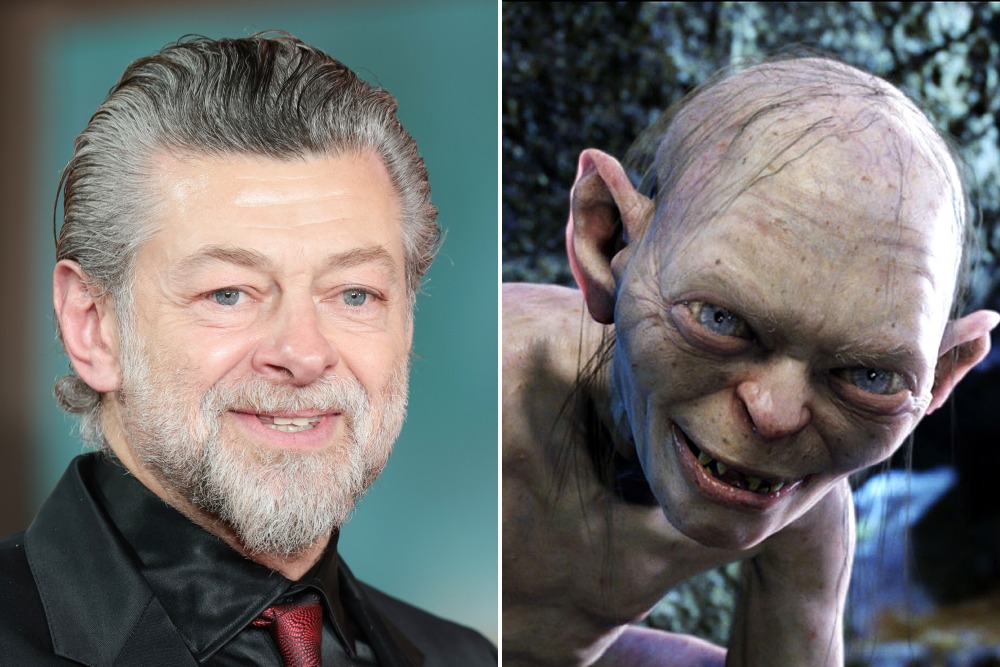
When Andy Serkis pulled on his prosthetic face and whispered “I need the ring” for the second time, the world watched him re-enter a familiar abyss. The seasoned actor‑director, now 52, is spearheading a new chapter for the iconic creature in The Hunt for Gollum, a film that will see him at the helm as well as in the role that catapulted him to global fame. In an intimate interview, Serkis admitted that reviving the tormented, two‑legged wanderer has become a relentless, sleepless battle: “It’s been insane. Every night I wake up thinking I’ve been up for 10 hours just talking to myself.” The project, slated for a late‑2026 release, promises a deeper dive into the creature’s fractured psyche and a broader examination of what it means to inhabit an entity that is simultaneously human and monstrous.
Parallel to Serkis’s return, the country‑music scene found itself in a different kind of spotlight when legend Sammy Kershaw was denied a brief walk on the red carpet at the 60th Annual CMA Awards. The veteran artist, who has racked up a dozen Top‑10 hits over the past three decades, shared a heartfelt Instagram post that called the decision “extremely hurtful, embarrassing, and very disappointing.” Kershaw explained, “I have to say I’m pretty sad about it,” after learning that the awards committee had denied him the simple privilege of stepping onto the carpet for a few minutes. His frustration reverberated across the genre, prompting a chorus of support from fellow musicians.
It is the human stories behind the headlines that bring these events into sharper focus. Whether it is an actor wrestling with a resurrected monster or a veteran singer confronting institutional snubs, the underlying theme is clear: fame, legacy, and the ever‑present expectation to perform. As both Serkis and Kershaw navigate their respective arenas, their journeys reveal the weight of public perception and the quiet resilience required to keep moving forward.
Background & Context
Andy Serkis’s association with the “Lord of the Rings” saga began in 2001, when he became the first performer to bring a fully puppeteered character to life through motion capture. The success of Gollum in The Two Towers (2002) and Return of the King (2003) earned him worldwide acclaim and positioned him as a pioneer in the emerging field of performance‑capture technology. After a decade of diversifying his career—directing films such as Venom (2018) and Mortal Kombat (2021)—Serkis has now returned to his roots, directing and starring in The Hunt for Gollum. This project is unique in that it promises to explore the creature’s backstory and motives, offering fans a more nuanced portrayal that goes beyond the mischievous, snappy half‑man who haunted the Shire.
On the country‑music front, Sammy Kershaw’s story dates back to the early 1990s. With chart‑topping hits like “Love of My Life” and “She Don’t Know She’s Beautiful,” the singer built a reputation for authentic storytelling. The 60th Annual CMA Awards, held in November, were meant to be a platform to celebrate his legacy. Instead, an administrative oversight denied him the simple honor of walking the red carpet—a tradition that carries significant symbolic weight for artists. This incident ignited a discussion about how the industry acknowledges veteran performers and the expectations of both organizers and audiences.
These narratives illustrate the delicate balance artists must maintain between personal identity and the demands of a public career. While Serkis grapples with the psychological toll of inhabiting a complex character, Kershaw confronts a seemingly bureaucratic oversight that feels like a deeper slight. In both cases, the individuals’ responses echo a broader sentiment about respect, recognition, and the pressures of staying relevant in highly competitive fields.
What People Are Saying
The fan reaction to Serkis’s return has been enthusiastic, though tinged with a recognition of the physical and emotional labor involved. In a comment thread that followed his interview, one commenter remarked, “I can’t wait to see Gollum get a more layered story. It’s going to be epic.” Another added, “The fact that he’s directing is a game‑changer—this could be the most authentic portrayal yet.” Fans appreciate that Serkis is not only bringing his expertise but also a personal investment in the character’s development. The expectation is that The Hunt for Gollum will offer more than action; it will deliver an intimate look into the creature’s tortured existence.
In the realm of country music, the response to Kershaw’s Instagram post was swift and supportive. The legendary artist’s comment sparked a wave of solidarity from peers such as Riley Green, who went beyond mere words. Green posted a TikTok video from a hotel balcony in Hawaii, strumming his guitar and singing Kershaw’s beloved hit “Yard Sale.” The clip quickly amassed over 17,000 likes, with comments praising both the cover and the gesture of camaraderie. One fan wrote, “Supporting your fellow musicians! Love it!” while another urged, “Everyone should be performing his songs right now!” This chorus of endorsement underscores how the community values respect for those who paved the way, regardless of current mainstream spotlight.
The broader public discourse also highlights a tension between institutional practices and artist expectations. While the CMA’s decision was framed as a logistical issue, many fans interpreted it as a dismissal of a venerable artist’s contribution. This sentiment echoes earlier conversations about how award shows can inadvertently marginalize seasoned performers in favor of newer acts. Both Serkis and Kershaw, though in different industries, embody the push for acknowledgment and the refusal to be overlooked.
What Happens Next
Serkis’s next steps will involve a rigorous production schedule for The Hunt for Gollum. As director, he will oversee the film’s creative vision while also embodying the character’s fragmented psyche. Production is expected to take place over the next 12 months, with a release slated for late 2026. The film’s marketing strategy will likely emphasize Serkis’s dual role, capitalizing on his name recognition to attract both long‑time fans and newcomers intrigued by the melding of live‑action and advanced motion‑capture technology.
In the country‑music arena, the fallout from the CMA snub may lead to broader conversations about how award bodies honor veteran artists. While the CMA has not yet issued a formal response, the public outcry suggests that the organization might revisit its policies regarding red‑carpet privileges. Sammy Kershaw, meanwhile, remains active in the industry, with plans to perform at upcoming tribute events and his own album release parties. The solidarity from peers, particularly the engagement of younger artists like Riley Green, could strengthen his platform and perhaps influence future industry standards.
For fans, both stories offer a reminder that the entertainment world is not just a series of glamorous events but also a tapestry of personal struggles, professional milestones, and communal support. As Serkis continues to breathe new life into Gollum, and as Kershaw’s legacy is defended by fellow musicians, the narratives intersect to highlight the enduring human element that fuels creative expression across genres.
In the end, whether it’s a puppeteer whispering to a digital creature or a seasoned singer voicing his dismay, the stories affirm that authenticity, respect, and resilience remain the cornerstones of any artistic journey.
The Bottom Line
In an era where celebrity fatigue is a growing public concern, Andy Serkis’s honest disclosure about his sleep deprivation brings a much‑needed spotlight to the physical demands of modern performance. The industry has long celebrated the magic of character work, yet seldom acknowledges the toll it takes on performers’ health. Serkis’s experience forces a conversation about how we can safeguard artists—whether through better scheduling, mental health resources, or new technical solutions that reduce the need for extended, isolating sessions. Likewise, Sammy Kershaw’s snub at the CMA Awards is a stark reminder that recognition is not automatic; it is earned and must be protected. The outcry from the community and the rapid solidarity shown by peers prove that fans and fellow artists value respect as much as applause. MyWorldPulse believes that true progress will come when studios, record labels, and award bodies implement policies that prioritize the well‑being and legacy of artists. Only then can the entertainment world thrive on authentic storytelling and genuine human connection, keeping both performers and audiences engaged and fulfilled.
Reference:
- Andy Serkis's official Instagram post
- Sammy Kershaw's official Instagram post
Read more celebrity news at MyWorldPulse.