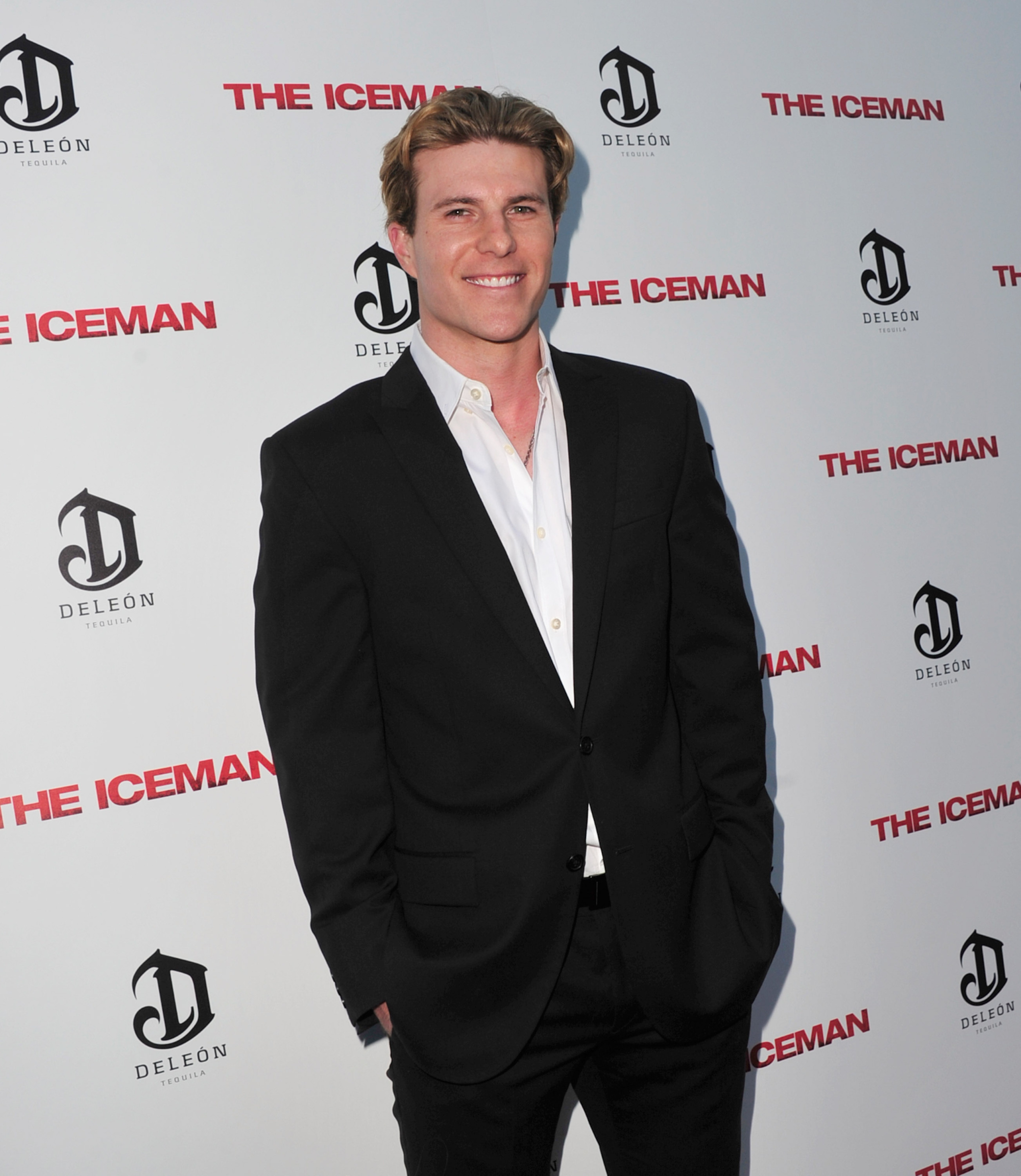
Fans and colleagues alike are stunned by the sudden loss of Lance Broadway, the former baseball pitcher who turned Hollywood actor. The Dallas County Medical Examiner confirmed that the 43‑year‑old was found dead in a stairwell at an apartment complex on November 17, a tragic moment that has rippled across both the sports and entertainment worlds.
Broadway’s story is one of reinvention. After a career on the mound, where he pitched in the minor‑league system for several seasons, he pursued his passion for performance and landed roles in popular television series and films. He first appeared on screen in the action‑thriller Olympus Has Fallen (2013), then made a memorable guest turn on the long‑running Marvel series Agents of S.H.I.E.L.D., followed by a stint on the supernatural drama Lucifer. His filmography also includes appearances on The Office, The 100, and FBI: International. Across these projects, he showcased a blend of athletic discipline and charismatic screen presence that earned him a dedicated fan base.
The circumstances of Broadway’s death remain shrouded in uncertainty. The medical examiner’s office has yet to release an autopsy report, leaving family, friends, and fans in a state of limbo. The official cause of death is pending, but the discovery of his body in a stairwell was a stark and shocking end to a life that had already spanned two very different arenas of American culture.
Background & Context
Lance Broadway’s journey from the baseball diamond to the Hollywood set is proof of the fluidity of talent in the modern era. Growing up in a working‑class town, he learned the fundamentals of pitching early, honing his arm in youth leagues before advancing to a collegiate career that caught the eye of professional scouts. While he never made it to the major‑league ranks, his tenure in the minors was marked by solid statistics and a reputation for perseverance—a quality that would later prove invaluable in the competitive world of acting.
The pivot to acting was gradual. After spending a few seasons as a minor‑league pitcher, Broadway took classes at a local acting school, where he discovered a newfound love for storytelling. By the late 2000s, he had landed a role in a short film that caught the attention of a casting director for a television pilot. That pilot would become The Office, where Broadway’s brief appearance in the pilot episode showcased his comedic timing and laid the groundwork for future guest spots. The transition from athlete to actor was not uncommon, but Broadway’s ability to seamlessly move between sports and screen was distinctive, earning him a niche place in pop culture.
His work on Agents of S.H.I.E.L.D. brought him into the spotlight. As a guest star, he portrayed a character entangled in one of the show’s complex narratives, blending his physicality with nuanced acting. The role was a breakthrough that led to more substantial appearances on shows like Lucifer and The 100, further cementing his status as a versatile performer. His cameo in the 2013 blockbuster Olympus Has Fallen added a high‑profile film credit to his résumé, showcasing his range from action to drama.
Throughout his career, Broadway maintained a quiet personal life. Friends describe him as a loyal teammate and a diligent actor who always prepared rigorously for his roles. Whether on the mound or on set, he approached his work with the same discipline, a trait that earned him respect across industries.
What People Are Saying
The announcement of Broadway’s death has ignited a wave of tributes across social media, with fans and co‑stars alike sharing memories that span both his athletic and acting chapters. Former teammates recall his competitive spirit on the field, while fellow actors reflect on his professionalism and quick wit during rehearsals. The shared sentiment is one of awe at the breadth of his talent and an outpouring of condolences for a man whose presence resonated with many.
Fans of Agents of S.H.I.E.L.D. took to online forums to discuss his character’s impact on the series, noting how his brief but memorable appearance added a layer of intrigue to the storyline. Viewers who watched his performance in Lucifer remembered his ability to balance comedic moments with emotional depth, making him a standout among guest stars. Social media threads also highlighted his work in Olympus Has Fallen, with commentators praising his physicality and the intensity he brought to the action scenes.
Within the baseball community, his name surfaces in recollections of the minor‑league grind, a reminder of the dedication required to pursue a professional sports career. Coaches and fellow players spoke of his resilience, especially during moments when the path to a major‑league breakthrough seemed uncertain. The conversation often circles back to his commitment to excellence—whether on the diamond or on the set.
The mix of reactions illustrates a broader narrative: an individual who refused to be confined to a single identity. Across platforms, supporters echo that he exemplified the idea that talent knows no boundaries. As the details of his death remain pending, the collective mourning underscores the sense of loss felt across communities that benefited from his contributions.
What Happens Next
The Dallas County Medical Examiner’s office has yet to release the results of the autopsy, leaving the official cause of death unresolved. In the interim, investigators are likely to focus on environmental factors, potential medical conditions, or any other evidence that could clarify the circumstances. Family members and representatives have not yet issued a statement, but the situation remains a topic of speculation among the public and industry insiders.
In the absence of definitive findings, fans and colleagues are turning to memorials and tribute projects to honor Broadway’s legacy. Some are calling for a memorial event in Dallas, where friends and family could gather to celebrate his life. Additionally, there are rumors of a posthumous release of a short film featuring him, a gesture that could bring closure to audiences who never had the chance to experience his full range.
From an industry perspective, Broadway’s death may spark discussions about the pressures faced by athletes-turned-actors, the challenges of career transitions, and the importance of mental health support for performers. Analysts predict that his story could serve as a case study in media forums and academic conferences, prompting a deeper look into the intersection of sports, entertainment, and wellness.
The timeline for official statements from his management and the completion of the autopsy is unclear. As the investigation proceeds, the entertainment world and the sports community alike remain hopeful that answers will surface soon, providing a sense of peace for those who loved and admired him.
Lance Broadway’s passing is a sobering reminder that life can be as fleeting as it is unpredictable. His story, spanning from the pitches of the minor leagues to the bright lights of Hollywood, will undoubtedly leave an indelible mark on both realms, echoing in the hearts of fans who watched him grow and thrive in arenas of their own choosing.
The Bottom Line
At MyWorldPulse.com, we see Lance Broadway’s untimely death as a rallying cry for industry-wide reform. The dual identities he embodied—athlete and actor—highlight a systemic gap: the lack of comprehensive mental‑health and transition‑support programs for performers leaving high‑pressure sports careers. As Hollywood continues to lure former athletes with the promise of fresh roles and financial rewards, the responsibility to ensure their holistic well‑being cannot be postponed. This tragedy should galvanize studios, unions, and sports organizations to partner on resources that address not just physical injury but also the psychological toll of fame, identity shifts, and public scrutiny. We believe that establishing mandatory counseling, career‑transition workshops, and peer‑support networks will honor Broadway’s legacy and protect countless others. The entertainment world must stop treating athlete‑turned‑actors as novelty talents and instead invest in their long‑term health—because talent, like life, is fleeting, and the industry has a duty to safeguard those who give us unforgettable performances.
Reference:
- Official post on the person's verified social media account
Read more celebrity news at MyWorldPulse.