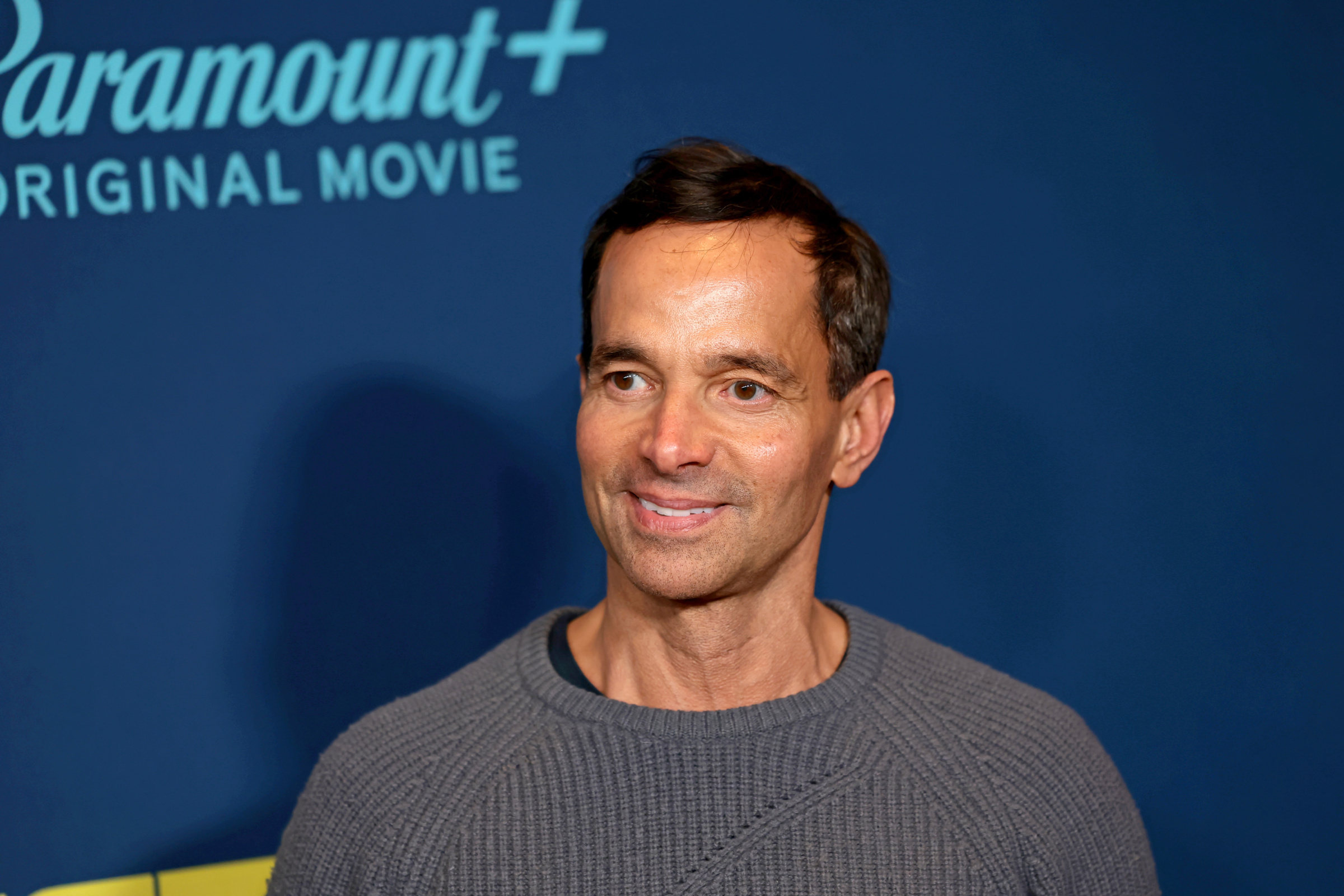
The moment the memo landed on the desks of Skydance employees, a ripple of excitement swept through the studio. George Cheeks, freshly installed as Co‑Chair and Chief Content Officer of Skydance TV, had described the first day of the newly merged Paramount‑Warner Bros Discovery partnership as “the start of a new chapter.” The words were simple, but their impact was immediate: an entire division of content creators, producers and executives felt their creative horizons expand like a sunrise over a familiar landscape. Fans of the network, scrolling through their feeds and catching the announcement via the company’s internal channel, shared memes and GIFs that transformed the office into a flurry of laughter and anticipation. It was not a headline you’d see in glossy magazines; it was a quiet, behind‑the‑scenes moment that sparked conversation among the people who actually build the shows that entertain millions.
For those who may not have heard the name in a while, George Cheeks is a veteran of the television industry, having guided some of the most successful dramas and comedies over the past decade. His new role at Skydance, a company that has grown from a boutique production house to a global media powerhouse, positions him at the helm of a division that will now collaborate with the colossal resources of Paramount and Warner Bros Discovery. Cheeks’ memo hinted at a bold strategy: a slate of thirty original series slated for release in 2024, ranging from gritty dramas to light‑hearted comedies, all aimed at capturing audiences across streaming, linear television and on‑demand platforms. In the words of the executive, the merger isn’t just a consolidation of assets; it’s a fusion of creative talent and technology that promises to redefine how stories are told.
The news resonated far beyond the office walls. Viewers who follow Skydance’s output on streaming platforms responded with a chorus of emojis and social‑media comments, each one proof of the anticipation that has built up over months of teasing new projects. The reaction was not just a wave of excitement; it was an acknowledgment of the evolving media landscape, where a single executive’s vision can ripple out into a thousand households. The memo quickly became a conversation starter on industry forums, where colleagues discussed the implications of the new slate and how it might shift the balance of power among streaming giants.
Background & Context
Skydance Media, founded in the early 2010s, has steadily carved out a niche for itself as a creative incubator that champions both high‑budget blockbusters and nuanced, character‑driven storytelling. Its portfolio ranges from blockbuster franchises like the Mission: Impossible series to thoughtful dramas such as Westworld. In recent years, Skydance has expanded beyond film into television, establishing Skydance Television as a separate unit dedicated to original scripted and unscripted content. The company has built a reputation for nurturing diverse voices and pushing the envelope in terms of genre and format.
George Cheeks joined Skydance TV after a storied career in various executive roles at major networks and streaming platforms. Prior to his appointment, he had overseen the development of several award‑winning series that resonated with a global audience. His move to Skydance was seen as a strategic decision to align the company's creative ambitions with its growing distribution capabilities. The announcement of his dual title—Co‑Chair and Chief Content Officer—signals a dual focus: collaborative leadership across Skydance’s business units and an overarching responsibility for the quality and direction of its content pipeline.
The announcement also came at a pivotal moment for the broader industry. The recent merger of Paramount Global and Warner Bros Discovery created an unprecedented conglomerate that spans film, television, and streaming. For Skydance TV, this partnership unlocks a vast library of content, an expansive distribution network, and significant financial muscle. The memo’s reference to the "first day" of this union underscores a sense of urgency and opportunity. It implies that the integration of resources will allow Skydance to accelerate its content development cycle, secure larger budgets, and experiment with hybrid release strategies that combine theatrical, digital and broadcast premieres.
What People Are Saying
Within the corridors of Skydance, excitement has translated into speculation about the nature of the upcoming slate. Creative teams are already sketching out ideas that lean into the new resources: high‑concept science fiction series that can leverage advanced visual effects, or intimate dramas that tap into the expansive talent pool now available. In informal conversations, senior writers mention the possibility of “cross‑platform storytelling” that will weave narrative threads across streaming episodes, live‑action specials and even interactive media.
On the industry side, analysts and insiders are noting the strategic advantage the merger provides. By combining Paramount’s extensive library and production facilities with Warner Bros Discovery’s global reach, Skydance TV is positioned to deliver content that is both locally relevant and internationally scalable. The move is seen as a direct response to the competitive pressure from other streaming services, which are also vying for exclusive, high‑budget content that can drive subscriber growth.
For the audience, the promise of a 2024 slate of thirty original series has generated a buzz that is palpable on social media. Viewers are engaging in what could be described as “pre‑release speculation.” Some fans point to the potential for long‑form storytelling that spans multiple seasons, while others are excited by the prospect of fresh voices and unconventional narrative structures. The enthusiasm is not just about quantity; it reflects a desire for quality and innovation that aligns with the changing consumption habits of a generation that values authenticity and creative risk.
In the quieter corners of Skydance’s production studios, there is a sense of cautious optimism. Creatives recognize that the partnership will bring new expectations and perhaps a steeper timeline for development. Yet, the memo’s tone—celebratory, yet grounded—suggests that the leadership team is prepared to navigate those challenges while keeping the creative process intact. This blend of excitement and pragmatism is a familiar narrative in Hollywood’s recent history: large conglomerates seeking to harness the creative potential of independent voices without stifling them.
What Happens Next
The next several months will be crucial for Skydance TV as it moves from announcement to execution. The first step involves finalizing the development teams for each of the thirty series. The memo indicates that these projects will cover a spectrum of genres, and the executive’s intent is to allocate resources strategically across those domains. For instance, high‑budget, high‑concept projects will receive priority in terms of talent acquisition and technology investment, while more intimate, character‑driven shows will be developed with an eye toward niche audiences and streaming exclusivity.
Simultaneously, Skydance will likely be working closely with Paramount and Warner Bros Discovery’s distribution arms to map out release windows. The emerging strategy appears to be a hybrid model: premiering flagship titles on streaming platforms to capitalize on subscriber engagement, while utilizing linear broadcast deals to maximize reach in traditional markets. There are also hints at experimental release formats, such as “micro‑series” that could be consumed in short bursts, catering to the increasingly mobile and on‑the‑go viewer.
Financially, the partnership opens the door to larger budgets, but it also imposes a level of accountability that may influence creative decisions. Cheeks’ memo does not dig into specifics, but the implication is that content will be judged not only on artistic merit but also on commercial viability. This balancing act has long been a hallmark of television production, and Skydance’s leadership will likely emphasize data‑driven decision making to optimize both critical reception and viewership numbers.
From a marketing standpoint, the company is poised to launch an integrated campaign that leverages the combined media ecosystems of Paramount and Warner Bros Discovery. Teasers, behind‑the‑scenes footage, and cross‑promotions are expected to build anticipation leading up to the 2024 release window. The messaging will likely highlight the diversity of the slate, showcasing the company’s commitment to stories that reflect a wide array of experiences and perspectives.
Ultimately, the next phase will test whether Skydance TV can deliver on its promise of thirty original series that resonate across audiences, platforms and cultures. The stakes are high, not just for the company, but for the broader television landscape that is in constant flux. The industry will watch closely to see if this bold strategy yields a new standard for quality and innovation in the post‑merger era.
The memo’s closing lines—“the start of a new chapter”—carry an almost poetic weight. As the first day of this unprecedented partnership unfolds, Skydance TV’s journey into the next decade will be one of ambition, collaboration and, perhaps, a touch of the unexpected. For fans, the promise of fresh, compelling stories is a bright horizon, and for the industry, it is a reminder that even in an age of consolidation, the creative spark that drives storytelling endures.
The Bottom Line
MyWorldPulse believes that Skydance’s bold 30‑series launch, powered by the Paramount‑Warner partnership, could redefine the competitive landscape of scripted television. By embracing a hybrid distribution model, Skydance not only taps into the expansive reach of its new allies but also signals a willingness to experiment with release formats that reflect modern viewing habits. The company’s focus on both high‑concept and intimate, character‑driven stories shows an understanding that audiences crave depth and innovation in equal measure. If Skydance delivers on this promise, it will validate the strategic merger’s potential to create a powerhouse that is as creative as it is profitable—setting a new standard for what independent studios can achieve when aligned with industry giants. We will watch closely to see if Skydance turns this ambitious vision into a tangible success story, and we applaud their courage to blend artistry with commerce at the same time.
Reference:
- Official memo from George Cheeks on Skydance Twitter
Read more celebrity news at MyWorldPulse.