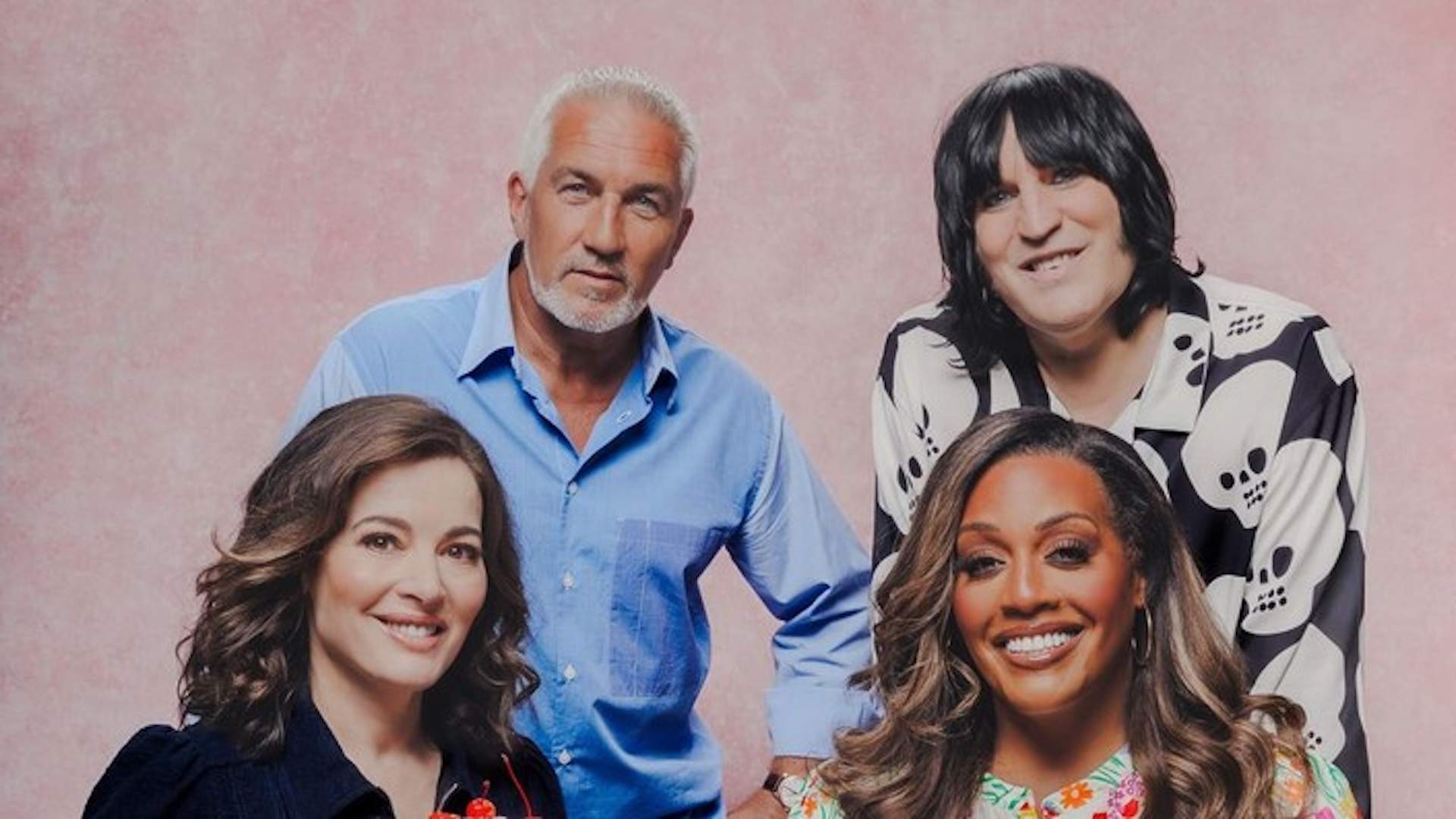
When the familiar warmth of This Morning was replaced by the sudden silence of a live studio in the early hours of October 2, fans around the globe felt a collective gasp. At 10:15 a.m., as the co‑hosts laughed and introduced the next segment, Alison Hammond appeared to clutch her chest, her expression twisting into one of discomfort that could not be ignored. Dermot O’Leary stepped in, reassuring viewers that “she’s feeling a little unwell” and that she had to leave the set “just to duck out.” The host did not return that day, and the news that she was rushed to a hospital immediately after the broadcast spread like wildfire across social media, triggering a flood of concern from millions of viewers who had followed her career from The Great British Bake Off to her present role.
Within hours, Hammond posted a short video on Instagram Stories, her face lit by the soft glow of a hospital room’s overhead lights. “Hello, my lovelies,” she began, her voice steady yet tinged with a hint of fatigue. In the clip, she lay in a medical gown, her usual confidence replaced by a calm reassurance. “I had a little bit of a palpitations, and now I’m getting it all checked out. I think I’m OK,” she said, adding a smile that suggested she was not completely disheartened by the situation. She addressed her audience with genuine gratitude, thanking them for their messages and promising to keep them updated as she went through her check‑ups. The footage, overlaid with the playful caption “Anything to have a day off,” became a viral symbol of a moment when a beloved public figure was suddenly in need of a break from the spotlight.
The incident did not come as a surprise to those who follow Hammond’s life and health closely. Earlier in August, Prue Leith, the celebrated former judge of The Great British Bake Off and now a respected television personality, suffered a severe migraine that nearly mimicked the signs of a stroke. Leith’s 86‑year‑old self‑account in an essay for The Oldie—which she later shared on her own social media—described a terrifying sequence of visual disturbances and speech difficulties that prompted her husband to rush her to an emergency department. A CT scan ruled out a stroke, confirming it was a migraine. That episode, occurring just two months before Hammond’s own crisis, underscored a growing awareness among the public that even seasoned performers are not immune to sudden health scares.
Background & Context
Alison Hammond’s career has spanned the culinary world, reality television, and daytime broadcasting. She first captured audiences as a contestant on The Great British Bake Off, later becoming a judge on The Great British Bake Off: An Extra Slice, and now the charismatic host of This Morning. Throughout her tenure, she has cultivated a reputation for warmth and relatability, which has endeared her to a broad spectrum of viewers. Her sudden health scare on live television highlighted the demanding nature of live broadcasting, where performers must maintain composure and energy around the clock, often in front of millions.
The medical emergency itself—a heart palpitations episode—raises questions about the pressures that can lead to such incidents. Palpitations, or the sensation of a rapid or irregular heartbeat, can stem from a variety of causes, including stress, dehydration, electrolyte imbalance, or underlying cardiac conditions. While the exact diagnosis in Hammond’s case has not yet been publicly disclosed, her Instagram update suggests that the medical team is conducting a thorough evaluation to rule out serious heart disease. In the broader television industry, there has been a recent push for more robust health and safety protocols, particularly for those working in high‑visibility, high‑stress environments. Employers have begun offering wellness programs and on‑site medical support to mitigate such risks.
This incident also resonates with the broader conversation about mental and physical health among media personalities. The entertainment world has increasingly acknowledged the toll of constant public scrutiny and the necessity of self‑care. For many viewers, seeing a familiar face suddenly fall ill on live TV serves as a stark reminder that celebrities are, at heart, human beings with vulnerabilities.
What People Are Saying
Fans flooded the internet with messages of support and concern. Twitter threads spanned from heart‑warming tributes to calls for a closer look at the health demands placed on broadcasters. Some viewers pointed out the importance of “checking in” and encouraging others to listen to their bodies, especially in the high‑pressure environment of live television. Others, remembering Prue Leith’s earlier migraine episode, noted that both incidents highlighted how quickly something seemingly innocuous can become a medical emergency.
On Instagram, the host herself took the initiative to engage directly with her audience. In her video post, she balanced vulnerability with her trademark positivity, acknowledging the worry of her followers while also reassuring them that she was receiving proper care. This direct communication helped humanize the situation, turning an abstract news item into a personal narrative. Her use of the phrase “Anything to have a day off” added a touch of humor, signaling that even in crisis, she maintains a sense of levity—a hallmark of her public persona.
Professional commentators and colleagues within the industry weighed in as well. Dermot O’Leary, who had to step into the host role on the day of the emergency, shared on social media that the team’s priority had been Hammond’s wellbeing, not the show’s schedule. Behind the scenes, production staff have been praised for their swift action in handling the abrupt change, ensuring the broadcast proceeded smoothly while respecting Hammond’s sudden departure.
The broader public discourse also highlighted the role of media coverage in shaping perceptions of health emergencies. While the initial report of the incident came from unnamed outlets, the narrative spread rapidly as fans turned to their own platforms for updates. The rapid sharing of Hammond’s Instagram video and the discussion it sparked demonstrate how digital communities can provide a sense of solidarity in the wake of an unexpected health crisis.
What Happens Next
The next steps for Hammond will involve a series of diagnostic tests, including an electrocardiogram (ECG), blood work, and possibly imaging studies to assess cardiac structure and function. These investigations will help her medical team determine whether the palpitations were an isolated event or part of a broader cardiovascular issue. If a treatable condition is identified, she may receive medication or lifestyle recommendations to manage her heart rhythm. In the event that no serious heart disease is found, she could still face the emotional aftermath of an abrupt medical emergency on national television.
From a career perspective, Hammond’s team has already indicated that she intends to return to the studio as soon as her health allows. Dermot O’Leary, who filled in during her absence, has expressed confidence in her swift recovery. The production schedule for This Morning is expected to continue with minimal disruption, but the show may offer a brief tribute segment to acknowledge Hammond’s health journey, fostering a sense of community among viewers and colleagues.
For the industry, this incident may prompt a reassessment of health protocols for on‑air talent. Production companies could increase their focus on pre‑emergency screenings, emergency response training, and real‑time health monitoring during live broadcasts. In addition, there may be a renewed emphasis on encouraging mental and physical wellness among presenters, recognizing that the demands of live television can precipitate acute health events.
Fans and colleagues alike will likely keep a close eye on Hammond’s recovery, eager for any updates that shed light on her condition and future appearances. The social media space has already become a conduit for support messages, sharing stories of their own health challenges, and reinforcing a communal sense of empathy. As the weeks unfold, the conversation will shift from immediate concern to a more nuanced discussion about wellness in the spotlight.
The episode has already proven to be more than a fleeting news story; it is a catalyst for conversation around health, resilience, and the often invisible pressures faced by those who bring daily entertainment to millions. In the aftermath, both the industry and its audience may find new ways to ensure that the personalities who keep us connected are also given the care they deserve.
Alison Hammond’s sudden exit from live television and her subsequent hospital stay serve as a poignant reminder that fame does not shield anyone from health risks. Her swift return to the studio, pending medical clearance, will no doubt inspire further dialogue on the importance of health vigilance for all those who perform under the public eye.
The Bottom Line
The sudden palpitations of Alison Hammond remind us that the glamour of live television hides a relentless, exhausting rhythm. The on‑air environment, often portrayed as effortless, demands constant vigilance from both talent and crew. Yet, as this incident shows, the industry’s focus has historically leaned more toward production quality than human health. It’s time for a cultural shift: networks must treat talent as more than a commodity, providing comprehensive health protocols and real‑time monitoring. Such measures would not only protect presenters but also strengthen audience trust, showing that the network cares about the people behind the voices. The response to Hammond’s scare offers a blueprint: immediate medical access, transparent communication with viewers, and post‑incident reviews. By embedding these practices into standard operating procedures, broadcasters can ensure that the spotlight shines on talent’s well‑being as well as their performance. This approach is not only ethically sound but also a smart business decision, safeguarding the longevity of a show and the loyalty of its audience.
Reference:
- Alison Hammond's Instagram post
Read more celebrity news at MyWorldPulse.