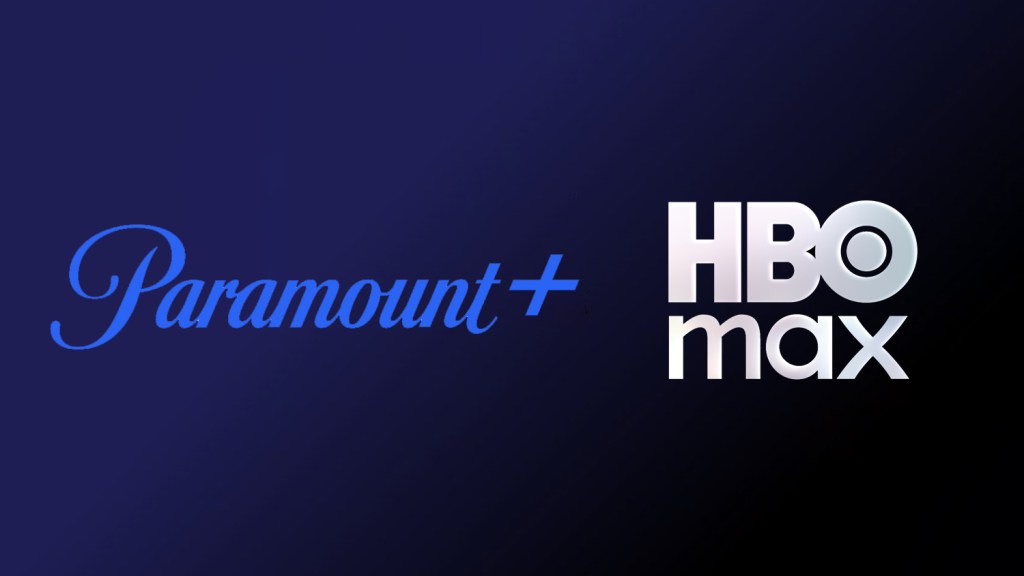
When the first minutes of David Ellison’s press release flickered on screen, fans in front of their TVs and laptop screens began to fire up comment sections and tweet storms, their excitement echoing across streaming forums. The clip—just 30 seconds long—displayed the newly christened Skydance logo and a simple message: both HBO Max and Paramount+ will remain distinct brands. The word “separate” sparked a flurry of speculation, with viewers debating whether this decision would protect the legacy of each platform or hinder a unified streaming strategy.
Behind the clip lies a decade‑long saga of corporate reshuffling. In 2022, Paramount Global and Warner Bros. Discovery agreed to a merger that would be worth $44.5 billion, a deal that drew scrutiny from regulators and investors alike. The merger’s completion in 2023 created a new entity—officially called the “Paramount‑Warner Bros. Discovery” conglomerate—yet the brand identity of its flagship streaming services remained a contentious issue. The latest announcement, coming from Paramount CEO David Ellison, clarifies that the new parent company will adopt the Skydance name but will keep the two streaming services as separate umbrellas, a decision that appears to prioritize audience loyalty over platform consolidation.
The announcement was not just a corporate footnote. It carried weight for millions of subscribers who identify strongly with HBO Max’s curated slate of original series and Paramount+’s fast‑paced, event‑driven content. The decision also signals how the industry may navigate the crowded streaming landscape, where differentiation can be as important as breadth. Fans reacted in real time, with some applauding the choice to preserve distinct brand identities and others expressing concerns that fragmentation might dilute future investment in cross‑platform synergy.
Background & Context
The genesis of this decision traces back to the strategic considerations that shaped the merger’s early stages. Warner Bros. Discovery had recently spun off its streaming assets in an effort to reduce debt, while Paramount Global sought to secure a broader slate of content and international reach. The $44.5 billion transaction was, in part, an attempt to achieve economies of scale and content diversification, but it also risked eroding the unique value propositions that each streaming brand had cultivated over years. When the two entities merged, executives faced the dilemma of either fusing the platforms into a single entity or preserving them as separate lines of service.
Historically, the brand identities of HBO Max and Paramount+ have played pivotal roles in attracting niche audiences. HBO Max has cultivated a reputation for high‑quality drama and cinematic releases, whereas Paramount+ has positioned itself as a hub for live sports and blockbuster franchises. Analysts have long argued that these distinct personas offer a competitive advantage in a market saturated by generic streaming options. The Skydance decision appears to honor that legacy while attempting to streamline operations under a single corporate umbrella.
The choice to adopt the Skydance name rather than either Paramount or Warner Bros. Discovery marks a deliberate brand strategy. Skydance, once known primarily for its animation and production studios, is now the vessel for a $44.5 billion conglomerate that encompasses two of the most recognizable streaming brands. By positioning Skydance as the parent company, executives aim to signal both continuity and a new direction that respects each brand’s heritage while facilitating coordinated growth.
What People Are Saying
Social media platforms erupted with commentary within minutes of the release. Fans on Reddit’s r/streaming debated the pros and cons of maintaining separate brands, citing examples of past mergers that saw former competitors dissolve into monoliths. Some commentators noted that keeping the brands distinct could preserve the “cult following” that each has built over years, while others feared that fragmented branding could hamper cross‑promotion and content sharing.
On Twitter, the hashtag #SkydanceMerge trended, and industry insiders chimed in with observations about how the decision may impact subscriber acquisition. “This move could be a bet on brand loyalty over integration,” a seasoned analyst wrote, echoing sentiments that fans and executives alike share. The tone of the conversation reflected a mix of optimism and caution; many celebrated the preservation of HBO Max’s distinct narrative voice and Paramount+’s sports programming while pondering the practicalities of a split operational structure.
Meanwhile, employees of both streaming platforms shared their relief on internal forums, expressing gratitude for the clarity the announcement brought. “It’s good to know we have a clear direction,” one employee noted, while another highlighted the potential for creative independence. These behind‑the‑scenes comments underscore that the decision is not merely a marketing ploy but a strategic commitment to preserving each brand’s creative culture.
In industry circles, the conversation has shifted toward financial implications. Some analysts predict that the decision will require a more complex cost structure, as each platform may maintain separate marketing teams, technology stacks, and content acquisition pipelines. Others argue that the separation could ultimately lower risk by isolating potential failures and ensuring each brand can adapt quickly to changing consumer preferences.
What Happens Next
With the announcement out, the next phase involves operational implementation. Both HBO Max and Paramount+ will need to coordinate under the Skydance umbrella while maintaining distinct content strategies. This likely means shared back‑office functions—such as legal, compliance, and data analytics—while keeping editorial and creative divisions independent. The company will need to align its technology roadmaps, ensuring that both platforms can integrate improvements without compromising brand identities.
Subsequent regulatory reviews will also play a pivotal role. Given the size of the merger, antitrust authorities may scrutinize the structure to prevent market dominance, especially if the combined entity leverages cross‑promotion to sway viewers. The decision to keep the brands separate may mitigate some concerns, as it preserves a level of competition within the same corporate group. Nonetheless, Skydance will need to demonstrate transparency in how it manages subscription pricing, advertising, and data sharing across the two services.
From a content perspective, fans can expect both HBO Max and Paramount+ to continue delivering their signature offerings. However, the consolidation may open doors for collaborative projects, such as cross‑platform premieres or shared talent pools. While each brand will likely retain its distinct catalog, the parent company could negotiate joint licensing deals, benefiting from combined bargaining power while keeping brand identities intact.
For subscribers, the immediate impact appears minimal. There are no announced changes to pricing or access. However, marketing campaigns may evolve to highlight the broader Skydance portfolio, potentially encouraging users to explore both services. Meanwhile, advertisers will be watching to see how Skydance leverages the combined data assets of both platforms without compromising user privacy—a balancing act that could shape the future of streaming monetization.
In the months that follow, industry analysts will monitor subscriber growth, churn rates, and the effectiveness of integrated advertising strategies. The success of Skydance’s approach could set a precedent for how conglomerates balance brand heritage with operational efficiency in an era where viewers demand both variety and consistency.
The announcement may feel like a small piece of corporate jargon, but for millions of viewers who swear by their favorite shows, the decision to keep HBO Max and Paramount+ separate is a promise that their favorite brands will not be swallowed by a larger entity. In a market where differentiation is key, Skydance’s move to preserve distinct identities signals a nuanced understanding of fan loyalty—and a willingness to let each platform thrive on its own terms.
The Bottom Line
MyWorldPulse believes Skydance’s choice to keep HBO Max and Paramount+ separate is a masterstroke of brand stewardship. In a market that prizes unique identities, this move acknowledges that fan loyalty is not a commodity to be traded away for the sake of economies of scale. While the operational overhead will rise, the long‑term payoff—retaining distinct audiences and mitigating antitrust concerns—justifies the complexity. Skydance now has a chance to prove that a conglomerate can succeed without erasing the personalities that made each platform popular in the first place. This decision should be celebrated as a bold stand for consumer-centric strategy in the streaming wars.
Reference:
- David Ellison’s Twitter post announcing Skydance merger
- Skydance’s official press release on the merger structure
Read more celebrity news at MyWorldPulse.