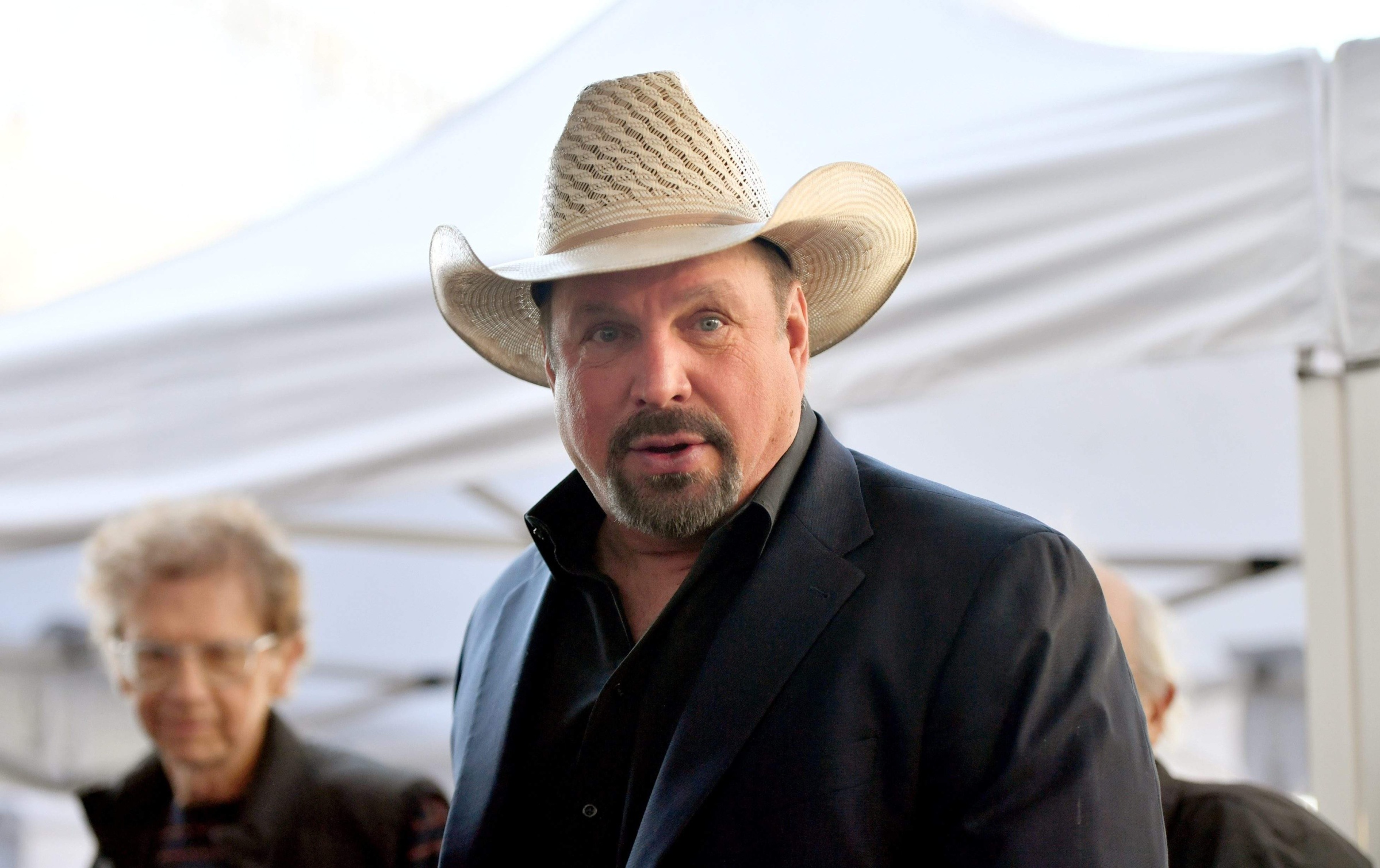
Garth Brooks addressed a frustrated fan base on October 22 with a brief yet sincere Facebook post that has become the focal point of a broader conversation about the future of concert ticketing. The country legend’s message was simple: “I will personally look into what can be done. You have my word that all that can be done will be done.” He offered his deepest apologies for the “bot crash” that halted sales for the third show of his “Blame It All on My Roots” tour at Kansas City’s T‑Mobile Center.
The incident has turned an otherwise routine tour stop into a rallying point for concertgoers worldwide, all of whom are increasingly weary of the high‑speed bots that can buy out tickets in seconds. The situation is not unique to Brooks. In 2019, pop‑rock superstar The Black Keys faced a similar ordeal when a wave of automated buyers nearly obliterated the ticket supply for their London show. In the same year, the pop icon Selena Rivera announced a last‑minute additional concert in Rio de Janeiro after her initial sales were stymied by bots. Across the spectrum—from country to hip‑hop—artists are confronting the same problem: technology that favors speed over fairness.
The Kansas City mishap is a stark reminder that the modern ticket‑selling ecosystem is still struggling to keep pace with sophisticated bots. AXS, the platform chosen by Brooks for his concerts, was forced to shut down sales minutes before the third show opened, leaving a virtual queue of frustrated fans stranded. The glitch happened at a time when the third show was already sold out, amplifying the sense of disappointment. The fallout has spurred a wave of anger and calls for change that could ripple across the entire industry.
Background & Context
Garth Brooks’ “Blame It All on My Roots” tour has been a nationwide sensation for the past year, taking fans from coast to coast with his signature blend of storytelling and foot‑stomping tunes. The addition of a third show at the T‑Mobile Center on November 7—originally announced as a matinee—was meant to accommodate the demand for tickets that had been building for months. Yet the excitement was short‑lived when AXS halted sales just moments after the ticketing window opened, citing “excessive bot activity” that threatened to overwhelm the system.
This was not the first time Brooks had confronted bot‑related turmoil. In early October, fans in Utah tried to secure seats for a show that was being snatched up by automated scripts. The concert was temporarily suspended, and an additional date was added in an effort to give “real people” a fair chance. The fact that Brooks has had to repeatedly pause sales to fight bots speaks to a growing trend in the concert industry: a battle between sophisticated technology and the desire for equal access.
Bot‑driven ticket sales have been a recurring problem for decades. In 2008, the release of the first “ticket‑bot” software sparked a backlash from fans who were outraged by the way that bots could purchase thousands of tickets in seconds, leaving ordinary fans at a disadvantage. Over the years, the industry has responded with various technical safeguards—dynamic pricing, CAPTCHA verification, “verified fan” queues—but none have fully stopped the problem. The Kansas City incident serves as a modern example of why these measures are still insufficient.
What People Are Saying
The fan reaction has been immediate and intense. On the T‑Mobile Center’s Facebook page, a frustrated user wrote, “Just spent over 2 hrs trying to buy tickets on AXS, kept getting errors at checkout… AXIS just shut it down and told everyone ‘sorry, not sorry.’” The raw emotion is palpable across the comments section, with many fans describing the experience as a “frustration loop” that left them feeling powerless.
One fan, Bobbie Parrigon, recounted the struggle in a televised interview. “I tried several different cards, and I kept trying to get back in, and you just kept saying, ‘Oops, seats are taken,’ over and over again,” she said. Her comments underscore a deeper issue: when bots monopolize ticket sales, the experience of the average fan is reduced to a frustrating game of cat and mouse.
Brooks’ Facebook post itself generated a surge of supportive comments, with many fans praising the artist’s willingness to address the problem personally. However, some remained skeptical, demanding concrete steps beyond an apology. “A promise isn’t enough if it doesn’t come with a refund or a new sales window,” one comment read. A small minority of fans even called for broader industry reform, citing the need for tighter regulations to prevent bot activity from overwhelming ticket platforms.
The collective voice on social media highlights a growing distrust of automated ticketing systems. A growing number of fans are questioning whether the current model—where speed and technology are the primary criteria for success—serves the public interest. The backlash is not limited to country music. Pop, rock, and even electronic dance music fans are voicing similar concerns about bots dominating the marketplace.
What Happens Next
The immediate fallout has spurred a rapid reassessment of the next steps. AXS, the venue, and Brooks’ management team are reportedly in talks about re‑opening the ticketing window for the third show or providing alternative solutions. Ticket holders who had already purchased seats are in a state of limbo, as the platform’s terms suggest refunds or exchanges may be possible if the event is canceled or postponed—yet no official policy has been released.
Brooks’ statement that he will “take the matter into my own hands” implies a more direct involvement in addressing fan grievances. It could involve personally reaching out to affected ticket holders, coordinating with the venue for additional show dates, or pushing for a system overhaul. The artist’s involvement is significant, as it signals to fans that the issue is being treated with urgency.
The incident has also sent ripples through the broader industry. Ticketing firms across the country are re‑examining their anti‑bot measures. Some are adopting more sophisticated CAPTCHA systems and “verified fan” tickets that require pre‑registration. Others are exploring blockchain‑based solutions that promise to create a more tamper‑proof ticketing environment. The Kansas City event has become a case study for how bots can undermine fan experience and the potential necessity for new regulatory frameworks.
In the weeks ahead, the focus will shift from the immediate crisis to long‑term solutions. Will the third Kansas City show proceed as originally scheduled? How will the promoters handle refund requests? Will AXS roll out new safeguards or partner with third‑party verification services? Fans will be watching closely, eager for any sign that the artist’s loyalty to his audience transcends the glitches of modern commerce.
The outcome will matter not just for Kansas City, but for every fan who has sat in a virtual queue, hoping to see a legendary performer on the night he was scheduled to play. If the industry can learn from this incident and create a more equitable ticketing system, the promise of live music will be restored to its rightful place as a shared cultural experience.
In closing, Garth Brooks’ apology is more than a public relations statement; it is a rallying cry for change. It underscores the need for transparency, fairness, and innovation in the ticketing space. Whether the artist’s pledge will translate into tangible outcomes remains to be seen, but the conversation it has ignited is a step toward a future where fans can enjoy the magic of live music without being sidelined by technology.
The Bottom Line
MyWorldPulse sees Garth Brooks’ bot‑crash apology as a turning point, not just a headline. When a legend publicly commits to investigating the root of a ticketing malfunction, it signals to the entire industry that consumer frustration cannot be dismissed as a technical hiccup. The Kansas City incident is a wake‑up call: platforms that rely on speed over fairness are courting backlash and risking their legitimacy. As fans demand transparent, reliable access, ticketing companies must move beyond band‑aid solutions like CAPTCHAs and embrace comprehensive safeguards—verified fan pre‑registration, real‑time bot detection, and potentially blockchain verification—to protect genuine ticket buyers. Artists have the platform to amplify these demands; they must pair their vocal commitments with concrete action. The future of live music hinges on a partnership between artists, venues, and tech firms that prioritizes fan experience over profit margins. MyWorldPulse calls for industry‑wide accountability, stricter regulations, and an immediate rollout of next‑generation anti‑bot measures. Only then can the promise of live music truly return to being a shared cultural treasure.
Reference:
- Official post on Garth Brooks' verified Facebook account
Read more celebrity news at MyWorldPulse.