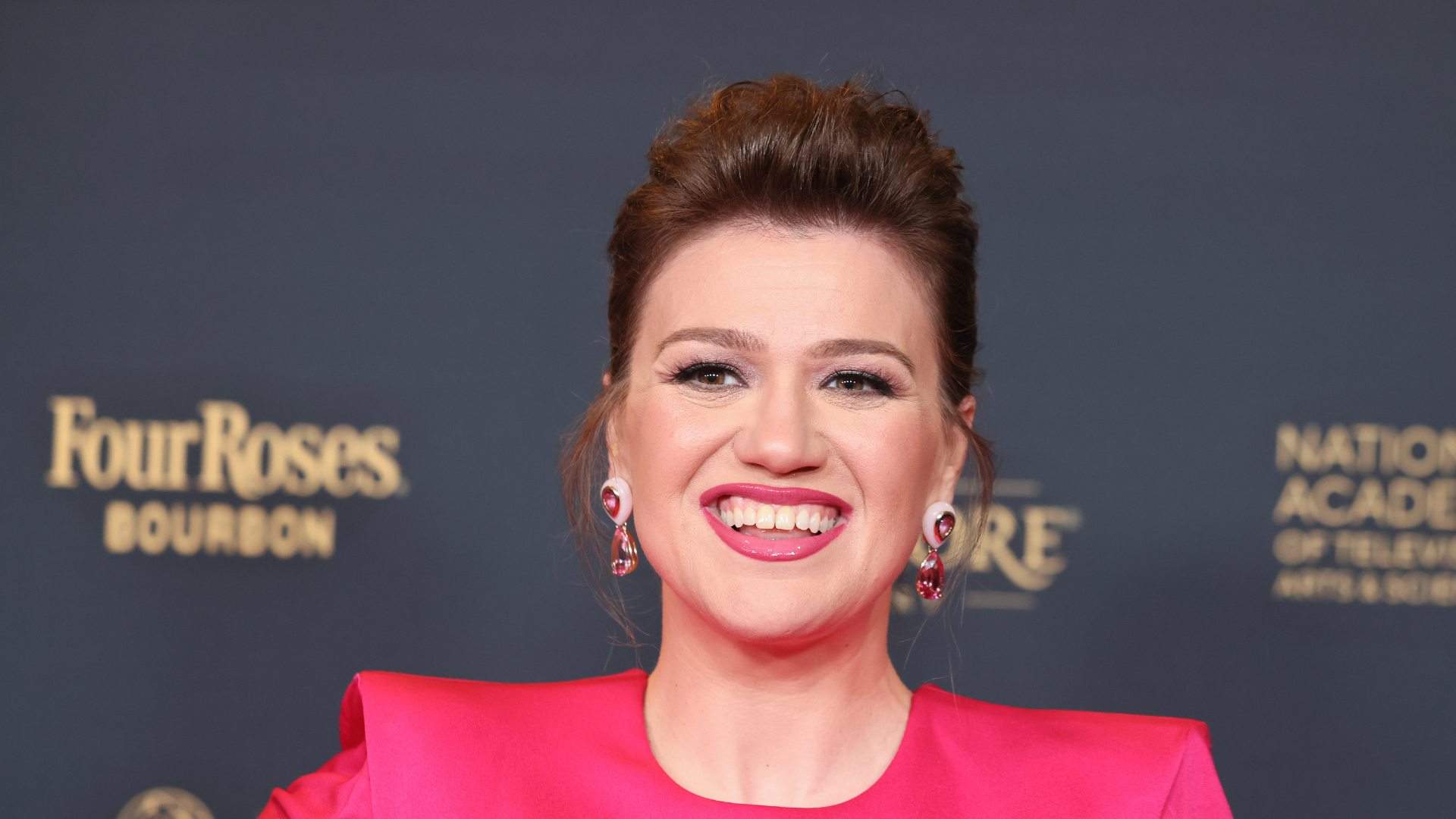
When the American Idol‑winner took to X to recount a night in a Brooklyn boutique that felt “like being treated like Julia Roberts in Pretty Woman,” the city’s streets and the planet’s timelines erupted in real‑time debate.
The incident began when Kelly Clarkson, the 39‑year‑old pop icon, drove into the corner storefront of Art of Play, a quirky shop known for puzzles, board games and the famed “Molly” singing‑bird automaton that reportedly costs $15 000. She was quick to post a scathing tweet that read, “I was looked at as if I couldn’t afford it and was told… ‘I can find something comparable for me.’” The words sent her 8 million followers into a frenzy, and the store’s owner, Adam Rubin, declared that the criticism “put us in danger.” The ripple effect was immediate: Instagram posts, news feeds, and private messages flooded the shop’s social media accounts, turning a simple customer encounter into a national conversation about hospitality, celebrity privilege, and the power of online platforms.
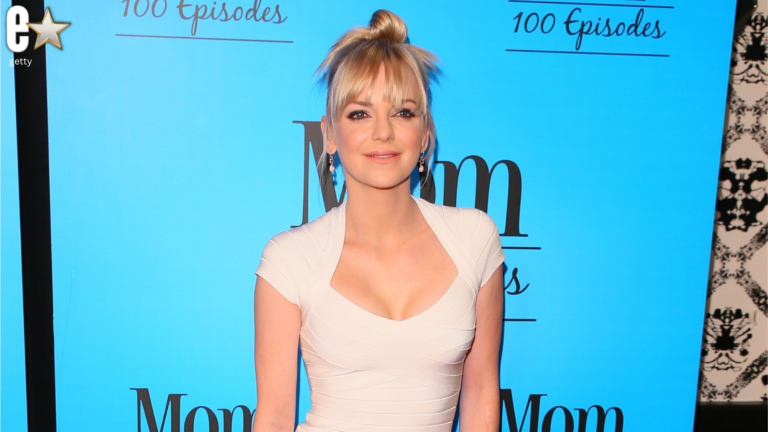
In the wake of the backlash, Kathy Griffin, the comedian who rose to fame on Saturday Night Live and the late‑night talk‑show circuit, voiced her support for Clarkson, noting that she has known the singer since her first “American Idol” win. Griffin said she believes Clarkson’s claim is credible, citing her own experience of being uncharacteristically “looked at” in a store. Her stance added another layer to the discussion, framing the matter as a clash between a small‑business owner’s reputation and a pop star’s public image.
Background & Context
Art of Play, situated on a bustling Brooklyn street, has long cultivated an identity as a playful oasis for families and gamers. The store’s “Molly” automaton—a mechanical bird that sings, dances, and even twirls a top hat—has become a staple in local lore, a novelty that draws visitors from around the country. In a recent Instagram statement, the shop clarified that the bird is permanently attached to the wall and “not for sale,” a detail that became a flashpoint when Clarkson’s tweet suggested the opposite.
Clarkson’s narrative was swift and unambiguous. She described a “condescending tone” from the front‑desk clerk, a comment that resonated with a public already sensitized to issues of customer service and discrimination. The clip released later, showing Clarkson walking out visibly upset, added a visual dimension to the narrative, though it lacked sound, leaving interpretations to the audience’s imagination.
Meanwhile, Adam Rubin, co‑owner of Art of Play, portrayed the incident as a “misunderstanding.” In a statement to his Instagram followers, he explained that the store was simply “trying to be helpful” when offering a comparable item. Rubin expressed disbelief at the magnitude of the backlash, noting that the shop had never before faced an “8‑million‑follower” storm. He also warned of potential safety concerns for his staff, describing the surge of online hate as “reprehensible” and “dangerous.”
The broader context of the situation includes a recent trend of high‑profile figures calling out small businesses for perceived slights, often resulting in viral campaigns that can make or break local enterprises. In the age of instant connectivity, a single tweet can amplify a personal experience into a public spectacle, compelling both the celebrity and the business to engage in a delicate dance of public relations, truth‑seeking, and community response.
What People Are Saying
On the social media front, the division between “Team Kelly” and “Team Art of Play” became evident almost immediately. Among the supporters of Clarkson, the narrative emphasized her authenticity and history of treating fans with sincerity. They shared memes of Clarkson’s own candid interviews and highlighted her willingness to stand up for herself when she believes she has been wronged. Many praised the fact that the singer chose to confront a perceived injustice rather than let the situation go quiet.
Supporters of Art of Play leaned heavily on the shop’s long history of community service and charitable events. Posts showcased the store’s involvement in local school fundraisers and its role as a gathering spot for parents and children. Many owners and employees of similar boutique businesses shared their own experiences of being criticized by famous patrons, noting the lasting impact on staff morale and sales. Some argued that the shop’s quick response, including offering to let Clarkson return, demonstrated a willingness to resolve the issue in person rather than through a heated social media exchange.
Kathy Griffin’s vocal endorsement of Clarkson added an unexpected dimension to the conversation. Her remarks underscored a mutual understanding between the two performers: an acknowledgment that the spotlight can sometimes bring unwanted scrutiny. Griffin noted that Clarkson, having grown more “real” since her talk show was canceled, would not “hop online” and “make up a lie.” This sentiment echoed a broader theme in the debate—whether celebrities are entitled to a higher standard of service when their presence can influence public perception.
Conversely, some critics urged caution, reminding fans that a single tweet could be misleading or exaggerated. They pointed to the lack of audio in the surveillance footage, suggesting that context could be missing. The store’s defense, insisting that no price tag was affixed to the “Molly” bird, appeared to hold some weight for those who were skeptical of Clarkson’s account. In this polarized environment, the narrative continued to evolve with each retweet and comment, shaping the public’s understanding of what happened in a small Brooklyn shop.
What Happens Next
Both parties have taken steps that hint at a possible resolution. Art of Play issued a public invitation for Clarkson to return, emphasizing that the shop’s goal is to “pick things up and play.” This gesture could signal a desire to mend the relationship through direct communication rather than mediated public statements. The store’s owners also pledged to keep their staff safe, promising to address any further harassment in a measured manner.
Clarkson, on her part, has remained firm about her experience, describing it as “the most humiliating experience I’ve had in my life.” She has also clarified that she had no intent to “damage” the business, noting that her tweet was a spontaneous reaction to a perceived insult. Her post appears to have been written late at night, a detail that may influence how audiences interpret the intensity of her response.
The unfolding situation may culminate in an in‑person meeting between the singer and the shop’s management, an event that would likely attract media attention and offer a chance for both sides to present their perspectives in a controlled environment. Whether such a meeting materializes could depend on a variety of factors, including the continued volume of social media scrutiny, the shop’s sales figures, and Clarkson’s willingness to engage in dialogue beyond her online platform.
Meanwhile, the broader conversation about celebrity interactions with small businesses remains alive. Retailers across the country have taken note of the potential ramifications of a high‑profile customer’s social media post, prompting many to review their own customer service protocols and communication strategies. Likewise, fans of public figures are more aware than ever that their voices carry weight, sometimes far beyond the intended scope of the original encounter.
As the narrative unfolds, stakeholders will likely reassess the lines between public accountability and personal privacy. The incident may become a case study for how a single tweet can amplify a local dispute into a national phenomenon, and how both sides—whether a pop star or a Brooklyn boutique—might navigate the delicate terrain between reputation, customer service, and community impact.
The aftermath of this episode may well redefine how small‑business owners and celebrities interact in the age of instant amplification, reminding us that a single moment in a shop can set the tone for an entire conversation that stretches across the digital landscape.
The Bottom Line
The clash between Kelly Clarkson and Art of Play is more than a single customer dispute; it is a cautionary tale for the entertainment and retail industries alike. In an era where a tweet can ignite millions of comments in seconds, public figures must recognize the weight of their words and the potential impact on small‑business owners who rely on community trust. Conversely, boutique owners should develop robust response plans that address customer grievances transparently, while also safeguarding staff and preserving their brand’s integrity. The fact that a single $15,000 automaton sparked a national debate reminds us that any seemingly trivial detail can become a symbol of larger systemic issues—celebrity privilege, customer service standards, and the role of social media in shaping narratives. As we move forward, the industry must prioritize ethical engagement, clear communication, and mutual respect between entertainers and the local businesses they patronize. MyWorldPulse stands with the principle that every voice, whether from a superstar or a boutique owner, deserves fair treatment and thoughtful consideration in the public square.
Reference:
- Kelly Clarkson's X post
- Art of Play owner's Instagram statement
Read more celebrity news at MyWorldPulse.