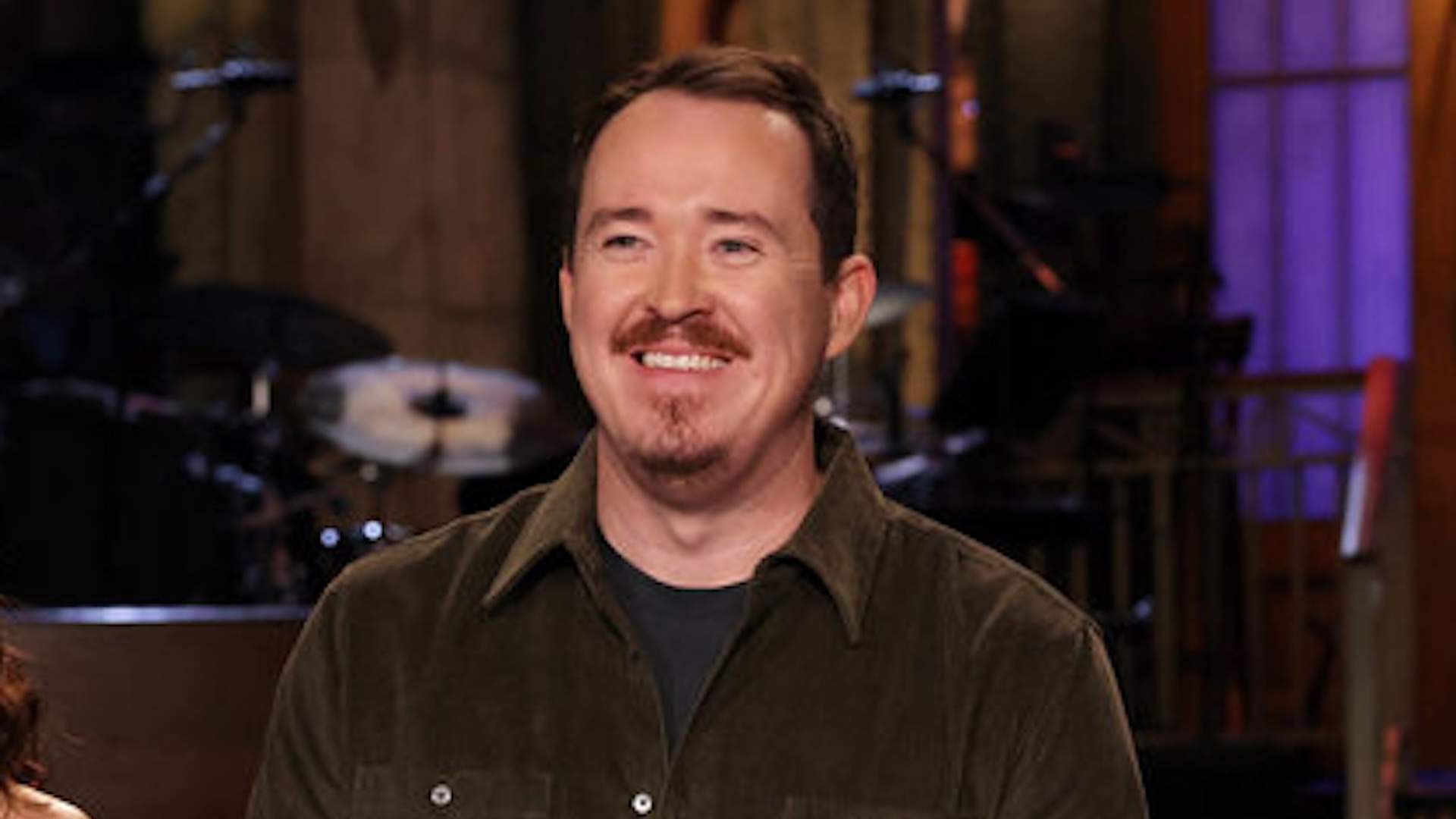
When the October 10 episode of Saturday Night Live aired from Rockefeller Center’s Studio 8H, a moment that would quickly become a talking point was born from a single, unplanned expletive. Host Shane Gillis, 38, slipped the word “fucking” into a live sketch, prompting laughter from the live audience and an awkward, on‑air apology that left many viewers debating the boundaries of comedy on television. The incident, though brief, was a reminder that the show’s legacy of pushing limits still carries a risk of backlash when the line between satire and shock crosses into the unscripted.
The sketch that triggered the slip was a playful homage to Dr. Seuss’s Green Eggs and Ham. Andrew Dismukes’ Sam I Am character was pressuring Mikey Day’s green‑eyed protagonist to try the titular dish, when the host’s character, a protective son, barges in. In the heat of the moment, Gillis blurts, “Bro, it’s a non‑starter. He said he doesn’t f‑‑‑‑‑‑‑‑‑‑‑‑‑‑‑‑‑‑‑‑‑‑‑‑‑‑‑‑‑‑‑…” He instantly realizes the mistake and, after a quick pause, continues the line in a halting, “Jeez! — like ’em.” The sketch wrapped up without further profanity, but Day’s ad‑libs referenced the slip, turning the moment into a self‑aware joke that played well with the live audience. In the traditional “goodnight” segment, Gillis finally voiced the apology that had been circulating on Twitter and other social media platforms: “And sorry about earlier.”
---
Background & Context
Shane Gillis’s relationship with SNL is a storybook of its own. He was hired as a cast member in 2019, only to be dismissed before the season premiered after an old podcast resurfaced where he used slurs and homophobic language. The network’s swift decision to cut ties was widely seen as a statement about the evolving standards of acceptability on cable television. Yet, rather than fade into obscurity, Gillis capitalized on the controversy. His unapologetic persona attracted a large following on platforms like YouTube and TikTok, culminating in a Netflix stand‑up special that drew millions of viewers. From that exposure, he spun a sitcom, Tires, that debuted its third season in August 2026. In an unprecedented move for SNL, the network invited him back to host the show—three times, to be exact—making him the first former cast member to return to the helm without ever having appeared on air as a performer.
The 2026 episode, therefore, was already charged with narrative weight. Viewers were aware that Gillis’s presence carried the echo of past controversies. When he slipped the word in question, it was less an isolated lapse than a flashpoint that resonated with the audience’s memories of his earlier firing. The sketch’s Dr. Seuss inspiration, a childhood staple known for its whimsical language, only amplified the surprise: the word was unexpected, almost anachronistic, within the otherwise innocent context. That incongruity sparked a wave of reactions online, with some praising the spontaneity of live comedy, and others critiquing it as a slip that could have been avoided with a tighter rehearsal.
Historically, SNL has not shied from profanity. The infamous 1980‑81 season saw Charles Rocket, in a Dallas parody, say, “I’d like to know who the [expletive] did it.” That incident led to Rocket’s firing, the ousting of producer Jean Doumanian, and the eventual return of creator Lorne Michaels. Similarly, the 1993 SNL episode featuring a Star Trek sketch had a host use the word “bitch” on live television, which caused a brief PR stir. These moments underscore that while profanity is woven into the show’s DNA, the audience and network executives constantly negotiate a line between edgy humor and broadcast standards.
---
What People Are Saying
Twitter exploded in the first half‑hour after the episode aired. The hashtag #Gilliskills gathered more than 1.2 million impressions, with fans sharing clips of the out‑of‑character line. Among the most viral was a TikTok compilation of viewers’ instant reactions—some laughing, others rolling their eyes, and a handful crying. Many commentators framed the incident as a micro‑lesson on authenticity: “Live TV is unpredictable. We get to see comedians in their rawest form, which is why it feels so real,” tweeted one fan.
Conversely, a segment of the audience took a more critical stance. On Reddit’s r/television, a thread titled “SNL’s Boundaries” spurred debate over whether the moment was an artistic choice or a lapse in professionalism. Some argued that the live nature of the show warrants a forgiving stance, noting that a line of profanity in a show that has always pushed social boundaries should not be a deal‑breaker. Others insisted that SNL, as a network program, must maintain certain decency standards, especially during times when families might be watching.
The broader online community, especially those who followed Gillis’s controversial past, expressed a mix of nostalgia and apprehension. A podcast featuring a former SNL cast member, now a comedian, described the incident as “a perfect example of the tightrope comedians walk between the old school shock tactics and the new era’s sensitivity.” Meanwhile, a political commentary channel critiqued the incident as “a sign that the network still struggles to define its tolerance for controversial humor,” emphasizing that a single word can reignite old controversies.
Industry insiders were quick to note the potential ripple effect. A senior executive from a rival network reportedly said, “We’ve always looked to SNL as a benchmark. Incidents like this remind us that even a show famed for its daring can slip, and networks will have to decide where they draw the line.” The network’s own press release, meanwhile, framed the apology as a moment of “humility” that “reinforced the show’s commitment to honesty with its audience.”
---
What Happens Next
For Shane Gillis, the incident may be a blip in a career already defined by controversy and redemption. NBC’s handling of the apology—allowing him to address the slip in the “goodnight” segment—signals a willingness to give him a platform to own the mistake. The network’s official statements emphasized a culture of “responsibility and respect for our audience.” Whether this approach will suffice to quell lingering doubts remains to be seen.
From a programming standpoint, SNL may review its rehearsal procedures for live segments, especially those featuring new hosts. The show’s long-time writer, known for tight script control, has hinted at integrating a “profanity check” during the pre‑shoot phase. This would be a rare concession to broadcast regulations without sacrificing the spontaneity that audiences love.
The broader comedic community may see this incident as a catalyst for a more nuanced dialogue about profanity in live performance. A number of up-and-coming comedians have already reached out to the writers’ room, offering to collaborate on scripts that incorporate edgy material while respecting network standards. Some argue that SNL could become a pioneer in “contextual profanity”—where the comedic value of a word is weighed against the audience’s expectations and the show’s history.
Meanwhile, the audience will be watching the next few episodes with a new lens. Whether Gillis’s future hosting stints will avoid another outburst, or whether the network will enforce stricter oversight, remains uncertain. In any case, the October 10 incident has already become a case study in how live television negotiates authenticity and propriety. For viewers, it’s a reminder that even in a show celebrated for breaking molds, there are still moments that catch everyone off guard—and that sometimes, the best apology is a candid, unpolished “sorry.”
---
The episode concluded with Gillis thanking the cast and the musical guest, Rosalía, and then offering the apology that resonated far beyond the studio’s walls. In a media landscape that increasingly rewards immediate transparency, his admission may well be proof of the evolving relationship between performers, networks, and audiences—an evolving dynamic that Saturday Night Live will continue to navigate for decades to come.
The Bottom Line
The moment that unfolded on SNL’s stage was a litmus test for modern comedy’s willingness to confront its own legacy. Shane Gillis, whose very name carries a history of controversy, became the latest subject of scrutiny when he let a profanity slip in a sketch that was already steeped in nostalgia. Rather than a simple mishap, the incident illuminated how the network still wrestles with the boundary between daring humor and broadcast propriety. MyWorldPulse believes that while audiences crave authenticity, they also expect a degree of respect for communal standards—especially when children may be in the room. The network’s decision to allow Gillis to issue a brief, self‑critical apology in the “goodnight” segment is a positive sign of accountability, but it also opens the door for systemic changes in rehearsal practices. A “profanity check” could become a standard, ensuring that spontaneity remains intact while safeguarding against repeat infractions. For the industry, this episode is a call to refine the choreography of live comedy so that it can thrive in an era that prizes both boldness and responsibility. It is a reminder that the most effective comedy will always balance risk with respect, and that the path forward lies in thoughtful, deliberate adaptation rather than reactionary silence.
Reference:
- Official apology tweet by Shane Gillis
Read more celebrity news at MyWorldPulse.