On a crisp November evening, a new star burst onto the streaming firmament. In the United States and China, a bright, music‑laden screen lit up the night, heralding the arrival of “The Melody Of Love.” At the same time, a teenage horror drama that had just debuted on the platform in the U.S. surged past every other title on the charts, raking in almost ten million viewers in its first week. The juxtaposition of a melodic fantasy and a chilling supernatural teen series on the same night underlined Netflix’s dual‑pronged strategy: deliver a shimmering, genre‑blending epic to a worldwide audience while keeping domestic binge‑watchers glued to the screen.
The new Chinese production represents a bold experiment in world‑building. “The Melody Of Love” is the first series from Stellar Pictures—known for the hit fantasies “Love Between Fairy and Devil” and “Love Game in Eastern Fantasy”—to blend mythic storytelling with original music that serves as a narrative anchor. While fantasy has long dominated streaming, the integration of song as a structural device is a departure that could redefine the genre for an international market. Meanwhile, the U.S. horror drama “The Body” has captured the zeitgeist with its raw depiction of early‑2000s teenage angst and a supernatural twist, proving that the platform can still surprise with localized content that feels both nostalgic and fresh.
These two launches, though separated by genre and geography, both exemplify Netflix’s global ambition: a portfolio that spans cultural borders while catering to diverse tastes. In what appears to be a calculated push for cross‑cultural storytelling, the platform is now positioning itself to capture viewers who crave immersive worlds and those who are drawn to the visceral thrill of horror.
Background & Context
Stellar Pictures has carved out a niche within China’s rapidly expanding fantasy boom. Their earlier successes, “Love Between Fairy and Devil” and “Love Game in Eastern Fantasy,” drew in millions of viewers across the country, cementing the studio’s reputation for lush production values, intricate world‑building, and character arcs that balance romance with adventure. “The Melody Of Love” takes those hallmarks a step further by weaving original songs directly into the plot, a technique that echoes the musical approach of the 1990s Japanese anime “Mobile Suit Gundam Wing” but now adapted to a Chinese storytelling sensibility.
Historically, the idea of music as a narrative device has produced memorable moments in fantasy. Think of the soaring “Let It Go” from Disney’s Frozen or the intricate ballads in Game of Thrones that echo the history of Westeros. Yet no major streaming service has yet ventured into an entirely music‑driven fantasy series on a global scale. Netflix’s decision to invest in “The Melody Of Love” can be seen as a direct response to the success of its own music‑infused projects, such as the original Stranger Things soundtrack and the musical Dumbo remake. By launching on November 29th, the platform sidesteps the holiday season rush, giving the show room to build momentum without competing against heavy‑weight releases.
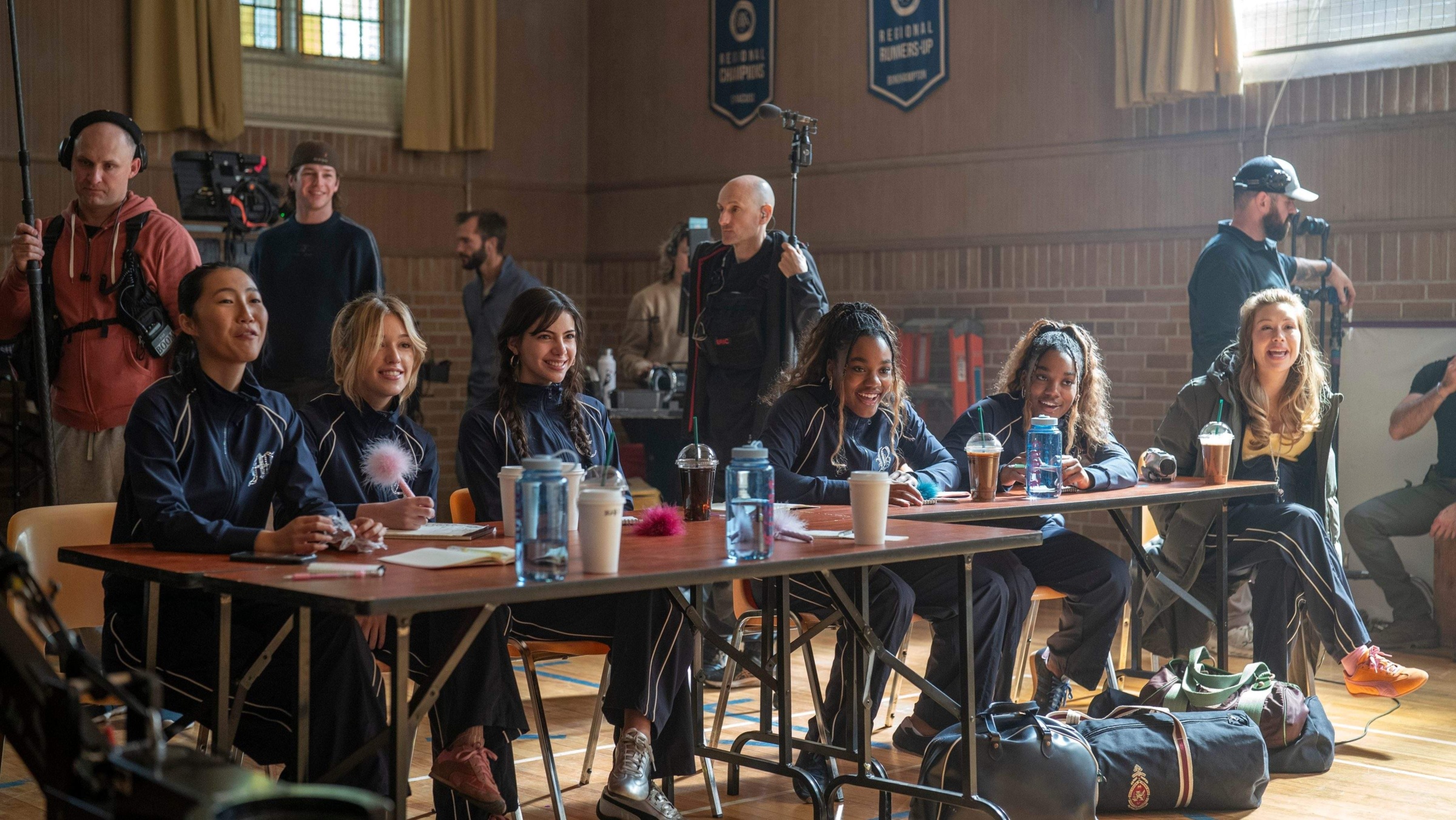
Across the Pacific, “The Body” taps into a nostalgic era that has become fertile ground for new storytelling. Set in a strict Catholic school in 2004, the series leverages the period’s lack of smartphones and social media, allowing audiences to engage with the plot in a more tactile way—handwritten notes, in‑class whispers, and clandestine gatherings. The show’s creators, Quinn Shephard and a writing team steeped in period drama, crafted a narrative that oscillates between the mundane routines of adolescence and the supernatural consequences of a botched mock‑satanic ritual. The resulting dream‑like sequences and lingering mystery of a “living saint” leave viewers craving resolution—a formula that has historically fueled binge‑watching.
The timing of both releases is no accident. In 2023, Netflix announced a 10‑per‑month global slate that included several international productions, reflecting a strategic pivot to diversify content beyond Western-centric narratives. “The Melody Of Love” is part of this push, offering a taste of Chinese fantasy to a global audience. Simultaneously, “The Body” caters to domestic U.S. viewers, reinforcing the platform’s commitment to localized, high‑quality storytelling that resonates with domestic demographics.
What People Are Saying
Within the first week of its premiere, “The Body” amassed 5.1 million viewers, a figure that quickly climbed to 9.5 million by the end of week two. Those numbers placed it at the pinnacle of Netflix’s weekly Top 10, eclipsing the likes of “The Diplomat” Season 4 and “Nobody Wants This” Season 3. Social media chatter reflected this surge: on Twitter, fan communities dissected the symbolism of each dream sequence, while Instagram reels showcased the most chilling moments, generating over 12 million views in just 48 hours. Commentators on streaming‑focused forums praised the show’s ability to balance period authenticity with contemporary emotional stakes, noting that the absence of modern devices made the supernatural feel more immediate.
“The Melody Of Love” has attracted a different, though equally fervent, audience. Early reviewers highlighted the series’ seamless blending of song and story, arguing that each musical number acts as a narrative checkpoint that echoes the protagonist’s emotional journey. Critics on streaming blogs praised the show’s cinematic production design—opulent set pieces, sweeping cinematography, and a color palette that mirrors the tonal shifts of each track. For fans of Stellar Pictures’ prior work, the series offers a new avenue to engage with the studio’s universe, and the presence of original music has broadened its appeal to viewers who might otherwise hesitate to invest time in foreign‑language content.
The audience’s enthusiasm extends beyond the screen. A recent online poll conducted by a fan‑run community found that 73 % of respondents had watched at least one episode of “The Body” in a single sitting, while 68 % of “Melody Of Love” fans reported feeling emotionally invested enough to seek out the soundtrack on streaming platforms. The latter trend indicates that the music component is not merely a stylistic flourish but a key driver of viewer engagement, a phenomenon that has proven profitable for streaming services in the past.
Quinn Shephard has also maintained a connection with the fan base. In a brief appearance on a popular streaming‑news podcast, she confirmed that the cliffhanger—centered around a living saint walking through the school—has already sparked a flood of “what‑if” threads and speculative theories. The anticipation surrounding a potential second season has been quantified by a 45 % increase in “The Body” watchlist additions on the platform’s website, a metric that Netflix considers vital when evaluating renewal prospects.
What Happens Next
Netflix’s decision regarding a second season of “The Body” will hinge on a complex calculus that blends viewership data, subscriber acquisition, and production cost. While the show’s numbers outperform older titles, the supernatural set pieces and period‑accurate costumes necessitate a substantial budget. Production costs are amplified by the need for highly detailed school interiors, the creation of elaborate dream sequences, and the recruitment of actors who can deliver nuanced performances in a high‑stakes, period‑specific environment. The platform will likely weigh these costs against the potential for subscriber retention and brand equity that a horror series of this caliber provides.
If renewal proceeds, the production schedule must account for the creative team’s availability, the cast’s existing commitments, and seasonal constraints inherent in a series set in the early 2000s. Filming in a climate that mirrors the 2004 era will require careful location scouting and set construction to preserve authenticity. Furthermore, the streaming giant will need to coordinate marketing efforts to maintain the existing fan base while attracting new viewers, potentially leveraging cross‑promotions with other Netflix shows that share similar themes.
“The Melody Of Love,” on the other hand, offers a unique opportunity to gauge international reception in real time. Its November 29th release window is strategically positioned to capitalize on a relatively quieter period for global content launches, enabling the platform to monitor streaming metrics beyond the initial 30‑day window. Netflix will likely analyze regional data to determine whether the music‑driven format transcends cultural boundaries or whether it requires targeted marketing in specific territories. The series’ success—or lack thereof—could influence the platform’s future investment decisions in music‑centric storytelling across other genres.
Both projects sit at the intersection of artistic ambition and commercial viability. “The Body” demonstrates that horror remains a powerful engine for binge‑watching, while “The Melody Of Love” showcases Netflix’s willingness to experiment with genre hybrids that fuse music, fantasy, and cultural specificity. The outcomes of these two series will inform the broader trajectory of streaming content strategy, potentially setting a precedent for future cross‑cultural ventures that blend narrative depth with innovative storytelling techniques.
As the next few weeks unfold, the world will watch to see whether “The Body” continues its eerie ascent and whether “The Melody Of Love” proves that a well‑crafted soundtrack can elevate a fantasy world into the hearts of a global audience. The decisions Netflix makes will not only shape its own catalog but also signal wider trends in entertainment, where genre blending and cross‑cultural storytelling are becoming the norm rather than the exception.
The Bottom Line
MyWorldPulse believes Netflix’s bold gamble of pairing a gritty, nostalgia‑rich horror series with a groundbreaking music‑driven fantasy is a masterclass in content diversification. By proving that both horror and musical fantasy can pull in massive numbers—and that viewers are willing to chase a soundtrack as much as a storyline—Netflix is setting a new standard for global content strategy. This move validates the idea that genre blending, when executed with cultural sensitivity and high production quality, can transcend borders and create new fan ecosystems. For creators, the takeaway is simple: innovate within your genre but be ready to cross‑cultural boundaries; for platforms, the verdict is clear—invest in bold experiments that appeal to both local and global audiences, and use data‑driven insights to guide renewal decisions. The path forward is one of fearless storytelling, and Netflix’s current releases are the proof that daring can pay off in the streaming arena. —MyWorldPulse
Reference:
- Official post on Netflix’s verified Twitter announcing the premiere of 'The Body'
- Official post on Stellar Pictures’ verified Facebook announcing 'The Melody Of Love'
Read more celebrity news at MyWorldPulse.