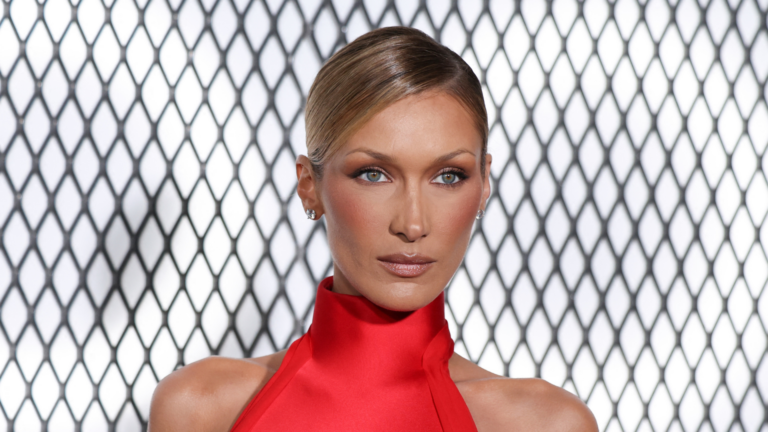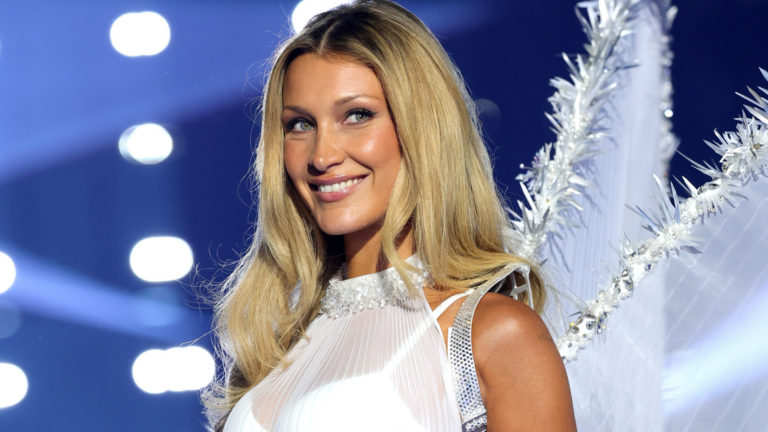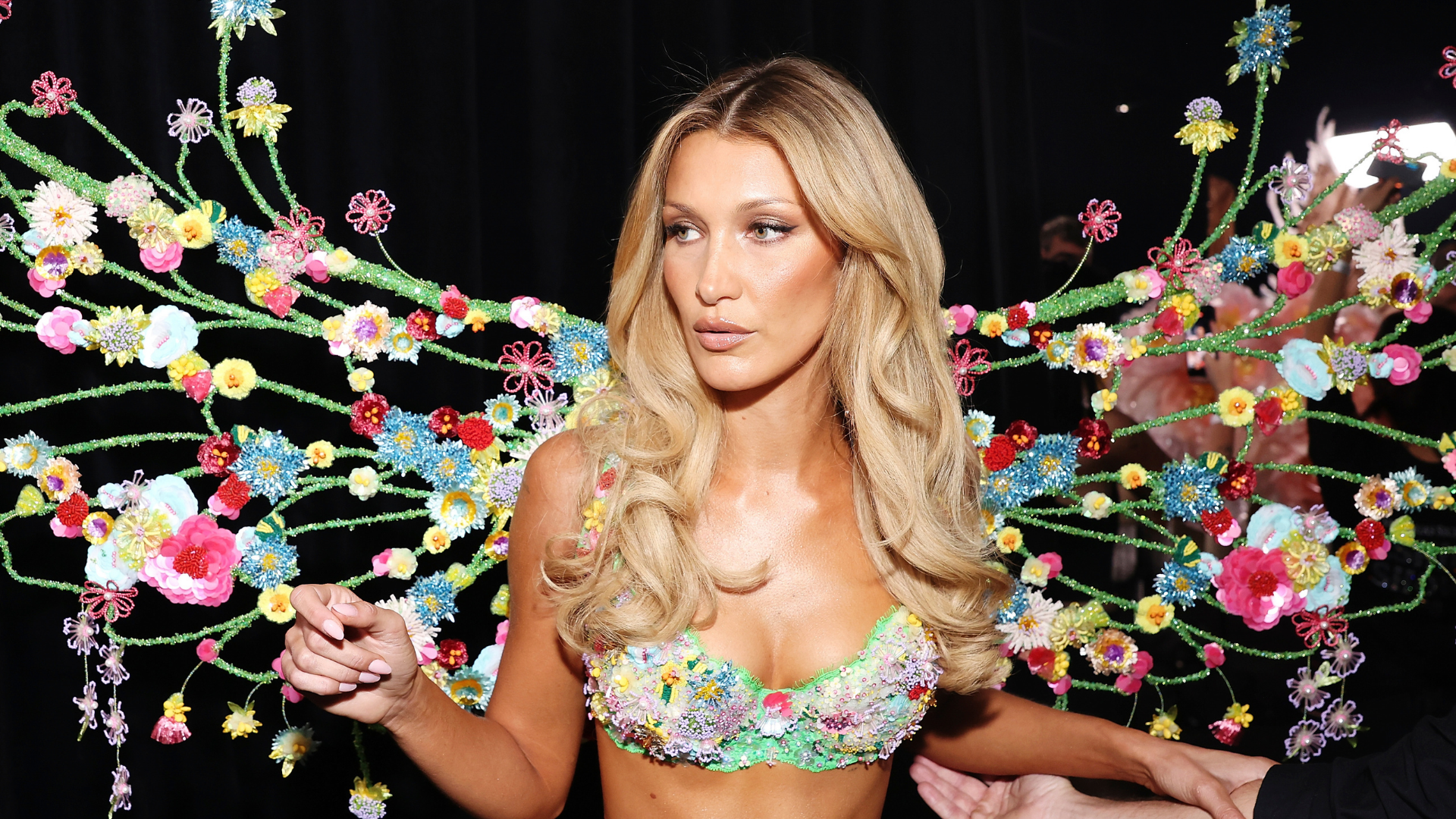
I went through enough struggles with my body before that, so when she said I had to lose weight I was like, “Okay, girl, I’m actually coming out of something I’ve dealt with heavily.” That blunt, fearless response from the supermodel hit the headlines after a decade of growth and a career that now includes being the face of Saint Laurent and Prada.
The trigger came in a brief, but memorable, meeting with an unnamed stylist when Bella was 17. “I was basically told I was too big to wear Saint Laurent and needed to lose a couple of pounds,” she recalled in a recent Harper’s Bazaar interview, painting a picture of a young woman on the brink of a career and being told she did not fit the industry's narrow mold. Twelve years later, the same designer’s runway lines are graced by her silhouette, proof of her resilience and the changing landscape of fashion.
Beyond the runway, the model has navigated a litany of health challenges—Lyme disease, endometriosis, postural orthostatic tachycardia syndrome (POTS), and premenstrual dysphoric disorder (PMDD). These conditions often leave her with fluctuating weight, swelling, and an ever‑shifting complexion, adding layers to her public conversation about body image and self‑acceptance. In the same interview, she urged people to consider the relentless pressure to appear flawless in every frame and the discomfort that comes with living under constant scrutiny.
Background & Context
Bella Hadid’s ascent in the fashion world began in the early 2010s, when she quickly became a sought‑after face for high‑profile campaigns and editorials. By 2015, she was already gracing the covers of Vogue and becoming a mainstay in the industry’s coveted “Top 10” model lists. Her runway debut for Saint Laurent in 2016 was a pivotal moment that signaled her entry into the upper echelons of fashion.
Yet the journey has not been linear. The model’s battle with Lyme disease began when she fell ill after an outdoor trip, leaving her with chronic fatigue, joint pain, and intermittent headaches. In 2019, a diagnosis of endometriosis added pelvic pain and hormonal dysregulation to her medical challenges. POTS and PMDD, both conditions that disrupt energy levels and mood, have further complicated her ability to maintain a stable weight and appearance. Rather than retreating, Hadid has turned these hurdles into platforms for advocacy, speaking candidly about her experience in medical forums, on talk shows, and in print profiles.
Her openness about health and body has resonated with a generation that values authenticity over perfection. This shift is reflected in her work with major fashion houses that have begun to embrace a broader spectrum of body types. Saint Laurent’s decision to cast her as a face and Prada’s continued collaboration highlight a tangible shift toward inclusivity and a recognition that beauty transcends conventional metrics.
What People Are Saying
Hadid’s willingness to confront her past criticism has sparked conversation far beyond the fashion sphere. She has repeatedly highlighted the importance of compassion, asking audiences to imagine walking outside every day with their photographs being taken and judged. “I just would love for everyone to think about if every day they had to walk outside and be photographed, what that would feel like,” she said, framing body‑image pressure as an everyday reality that extends beyond the runway.
Social media responses have largely echoed her sentiment, with many fans expressing relief that a high‑profile model has dismantled the toxic expectations that once dominated the industry. Influencers and wellness advocates have cited her interview as evidence that public discourse can shift toward healthier conversations around weight and health. Meanwhile, a handful of critics have pointed to the enduring presence of thin ideals in fashion, suggesting that a single conversation, no matter how powerful, is insufficient to overhaul a decades‑old system.
In addition to the public response, industry insiders have noted a broader trend toward more flexible standards. Models who previously faced pushback for body variations are now gaining visibility, and designers are revisiting their casting lists to include more diverse figures. Hadid’s experience serves as both a cautionary tale and a catalyst, reminding professionals that the stories told by those in the spotlight can ripple outward to affect policy, casting practices, and consumer attitudes.
What Happens Next
Bella is set to continue using her platform to spotlight the intersection of health and beauty. She has already announced plans for a forthcoming collaboration with a medical research organization focused on Lyme disease and another with a charity dedicated to women’s mental health, leveraging her influence to raise awareness and funding. On the runway, she is slated to walk for a major fashion house in Paris, a move that will further solidify her status as a trailblazer for body diversity.
Beyond her modeling commitments, Hadid has expressed interest in expanding her media presence. She has hinted at developing a short documentary series exploring how chronic illness affects creative professionals, aiming to shed light on the invisible battles many face. In interviews, she has also spoken about writing a memoir, an endeavor that would allow her to weave together her personal and professional narrative, giving voice to those who have felt marginalized by the industry’s past demands.
In the short term, the model will continue to advocate for greater empathy in fashion, encouraging designers, agents, and the media to move past weight‑centric judgments. By sharing her own struggles, she demonstrates that success and self‑acceptance can coexist, even within an industry that once seemed unyielding to deviation from its narrow standards.
Her journey underscores a larger shift in cultural expectations: that authenticity can outshine idealized perfection, and that the road to inclusion is paved with stories like hers—stories that start with a single, fierce response and end with an industry that listens.
The Bottom Line
MyWorldPulse editorial view: Bella Hadid’s journey is more than a personal triumph—it is a wake‑up call for the fashion world. By turning a painful rejection into a platform for advocacy, she demonstrates that beauty and health are not mutually exclusive. The industry has historically celebrated an unrealistic body type, but the momentum generated by models like Hadid shows that inclusivity can coexist with high fashion. Brands that embrace diversity are not merely ticking a box; they are tapping into a growing consumer base that values authenticity. For us readers, it is a reminder that the narratives we consume shape the standards we uphold. If we continue to champion voices that challenge the status quo, we pave the way for a healthier, more representative industry. MyWorldPulse stands with Bella Hadid, urging every stakeholder to keep the conversation alive and keep the runway reflective of the world it serves.
Reference:
- Official post on Bella Hadid's verified Instagram account
- Harper’s Bazaar interview with Bella Hadid
Read more celebrity news at MyWorldPulse.