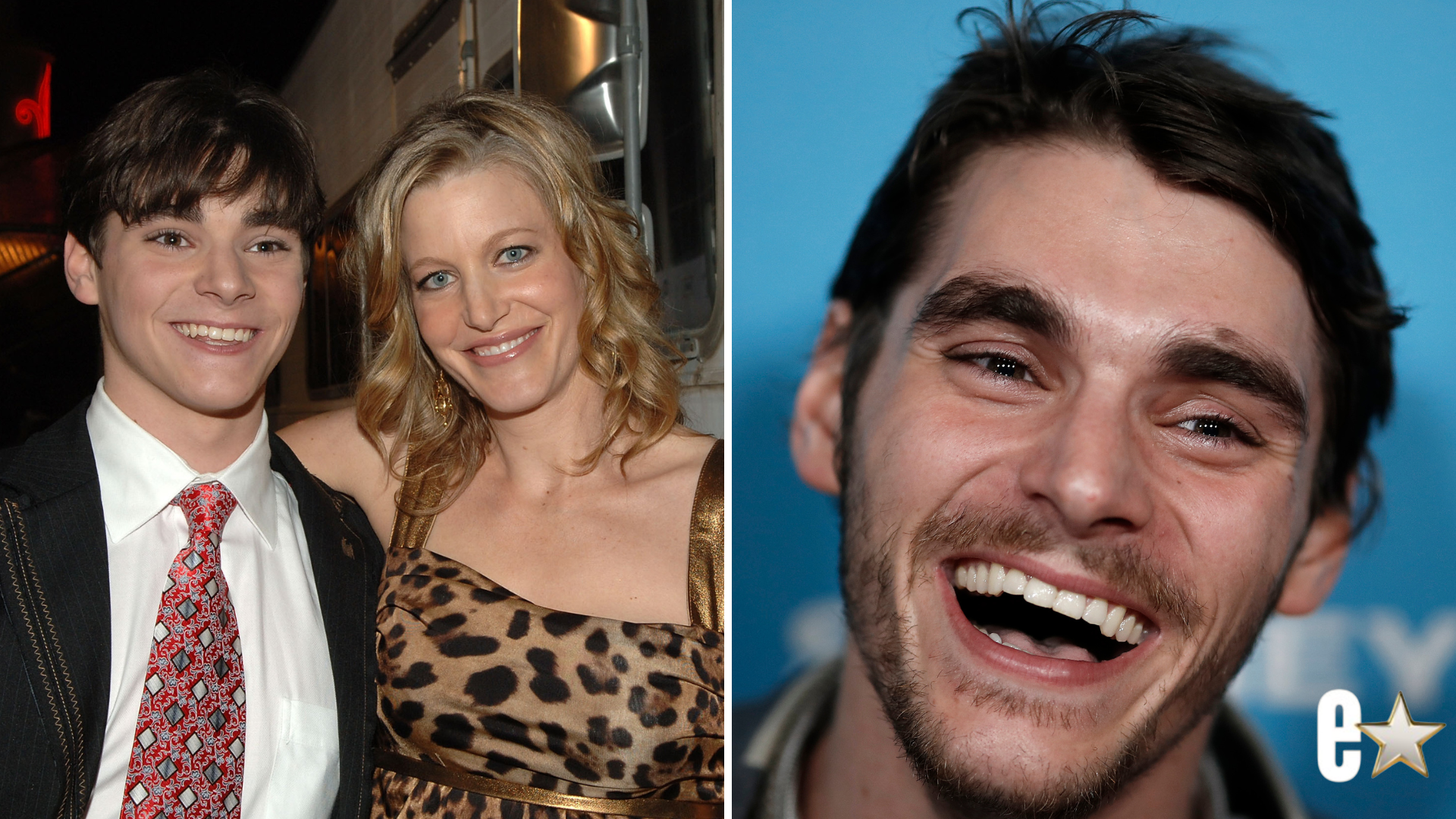
When the headline flashed across feeds on the evening of October 12, 2024, a wave of stunned silence swept the internet. The 34‑year‑old actor who had become the voice‑for‑the‑world Walt “Flynn” White Jr. on the hit AMC drama “Breaking Bad” had taken his own life in Brownsville, Texas. Within minutes, the hashtag #RJMitte rose to the top of trending lists, and fans flooded the web with tributes, tearful messages, and clips of the show that had bonded generations of viewers.
The outpouring of grief was almost cinematic. Instagram stories displayed framed photographs of a young RJ smiling on set, while Twitter threads quoted lines from the series that had come to represent resilience and hope. Screenshots of the “Breaking Bad” fan art community—paintings of the small but fiercely determined boy—scattered across platforms, each caption a silent promise to keep his memory alive. The community felt the loss in a deeply personal way: they had watched him grow from a 14‑year‑old in season one to a fully realized actor by season five, and now they were left to pick up the pieces of a life cut short.
The story’s impact rippled far beyond the show’s fanbase. It touched activists, people with disabilities, and those who had found solace in the character’s struggles. For many, RJ Mitte was not just a role; he was a living testament to the power of authenticity and advocacy. His death sparked conversations about mental health, especially for individuals navigating the unique challenges of living with cerebral palsy in a world that often misunderstands disability. In the weeks that followed, networks, co‑stars, and organizations alike began to honor a life that had touched millions.
Background & Context
RJ Mitte’s journey began in 1991 in Oklahoma, where he was diagnosed with cerebral palsy after a birth complication. Despite the physical obstacles that slowed his movements, he displayed an early fascination with storytelling. By the age of 14, his talent was undeniable; it was then that the cast and crew of “Breaking Bad” first met him. The chemistry between him and Bryan Cranston, who would portray his on‑screen father Walter White, was instantaneous and earned a place in the show’s heart.
Over five seasons, from 2008 to 2013, Mitte’s character evolved from a curious teenager to a young adult wrestling with the same moral complexities that defined the series. While the show is often celebrated for its sharp writing and moral ambiguity, Mitte’s role added a layer of real‑world authenticity. He was not merely a prop; he was a beacon for people with disabilities, challenging stereotypes by embodying a character who was as much about resilience as he was about the family drama that defined the series.
Beyond the screen, Mitte became a prolific advocate for disability rights. He spoke at schools, community centers, and nonprofit organizations, turning his platform into a voice for those who often feel unheard. In 2014, he launched the RJ Mitte Foundation, focusing on improving access to education and healthcare for children with cerebral palsy. His dedication to these causes earned him respect not just as an actor, but as a role model for a generation that had grown up watching him defy limitations.
What People Are Saying
The death of RJ Mitte has prompted heartfelt responses from everyone who worked with him. Anna Gunn, who played his on‑screen mother Skyler White, wrote a moving tribute that evoked their personal bond. “I was immediately struck by the depth and complexity of someone so young,” she recalled. “He was gentle and bold, exceedingly kind and wickedly funny. Above all, he was doggedly determined that his disability would not impede him, but would instead give him the opportunity to enlighten and educate others through his nakedly truthful portrayal of Walt ‘Flynn’ Jr.” Gunn emphasized the quiet moments shared off set, a reminder that the actor’s personal life mirrored his character’s strength.
Bryan Cranston reflected on Mitte’s growth, noting how the young actor had matured into a consummate professional. “He was a joy to work with,” Cranston said. “His commitment to his craft and his advocacy work set a standard for all of us.” His comments were accompanied by a series of photos from the set, underscoring the warmth that existed behind the cameras.
Luis Moncada, a co‑star from the show’s later productions, remembered spending time with Mitte just days before his death. He recounted their shared charity golf tournament and a hot‑air balloon ride—an intimate glimpse into a friendship that had endured decades. Moncada said, “He was one of the kindest people I have ever known. He treated everyone he met with warmth, compassion, and respect.” His tribute highlighted the personal nature of Mitte’s relationships, extending beyond the world of television.
While fans and colleagues praised his life, the narrative of his personal struggles was also brought to light. It is known that Mitte had been dealing with tension in his relationship with fiancée Kennedy Suarez and the complex dynamic with his mother, Dyna. He had also maintained a close bond with his sister, Lacianne, which reportedly added another layer to the challenges he faced. Though the details remain private, many viewers have begun to understand the depth of the emotional weight that accompanied his journey.
What Happens Next
The industry and fans alike have taken steps to honor RJ Mitte’s legacy. Several “Breaking Bad” fan communities have curated memorial playlists, while the network has scheduled a special tribute episode that will air on the anniversary of his death. In addition to these fan‑initiated gestures, the RJ Mitte Foundation announced an expanded scholarship fund for children with cerebral palsy, a tangible continuation of the actor’s lifelong advocacy.
In a call to action that echoes his own dedication to mental health awareness, Anna Gunn’s tribute included a link to the 988 Suicide & Crisis Lifeline, urging anyone in distress to seek help. This act not only honors Mitte’s memory but also aligns with his public stance on opening conversations about mental health, especially within marginalized communities.
Industry executives have pledged to increase support for actors with disabilities, citing Mitte’s impact as a catalyst for change. “We’re going to do better,” a studio executive remarked, emphasizing a commitment to accessibility both on and off the screen. This statement follows a broader movement within the entertainment world to create more inclusive narratives and to give visibility to diverse voices.
The fans’ response has been a mixture of grief and celebration. In the months after his passing, numerous murals depicting a young RJ walking on set have appeared in cities from Los Angeles to New York. Local theater groups have dedicated performances to his memory, while online forums continue to host weekly “RJMitte nights,” sharing favorite episodes and discussing the actor’s influence on their lives.
Closing
The loss of RJ Mitte reminds us of the fragile thread that connects talent, advocacy, and human resilience. As the entertainment community and the broader public mourn a life cut short, they also celebrate a legacy that transcended television screens. Through his on‑screen triumphs and off‑screen courage, he has left an indelible mark—one that will continue to inspire, educate, and remind us all that strength comes in many forms.
The Bottom Line
The untimely passing of RJ Mitte has forced the entertainment world to re‑examine how it treats its most vulnerable performers. For years, mainstream media celebrated his groundbreaking performance, yet little was done to protect the mental well‑being of an actor who carried a visible disability and a heavy advocacy burden. The industry’s immediate pledge to boost support for actors with disabilities feels promising, but it risks becoming a performative gesture if it doesn’t translate into concrete, sustained resources—mental‑health counseling, on‑set accommodations, and proactive well‑being checks. Moreover, the grief shared by fans and colleagues underscores a larger cultural gap: disability representation is celebrated, but lived experience and mental‑health support are neglected. The foundation’s expanded scholarship program and the community‑led memorials that have sprouted across cities signal that fans want more than just tribute—they demand action. As a publication committed to social justice in entertainment, we urge studios, networks, and talent agencies to institutionalize support systems that respect both the artistry and humanity of performers like Mitte. Only then can the industry truly honor his legacy and safeguard its future stars.
Reference:
- Official post on the person's verified social media account
Read more celebrity news at MyWorldPulse.