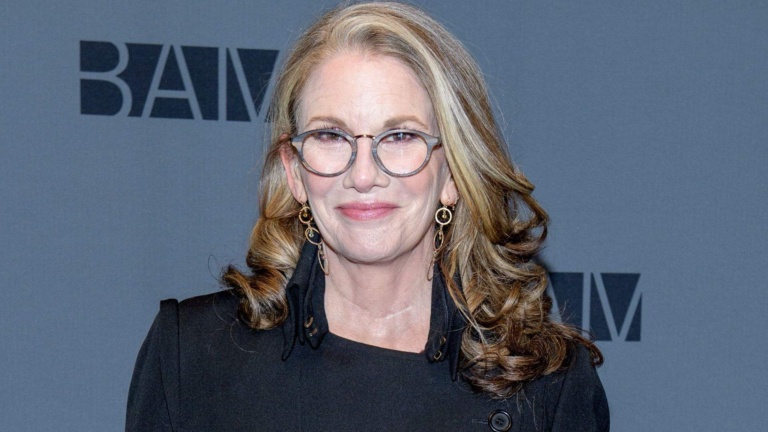
When the court docket hit the feeds, the internet lit up with a mix of disbelief and relief. On the same morning, Meta’s headline‑breaking $25 billion penalty for misleading Facebook users about privacy sparked a flurry of memes and tweets that shouted, “Finally!” While the tech giant’s fate was still being debated in New Mexico, another drama unfolded in the Hollywood realm: actress Selma Blair, 54, was hauled into court on two counts of second‑degree assault after a medical emergency on a Delta flight.
The world of legal battles seemed to have found a curious symmetry that afternoon. On one side, a digital behemoth faced a monumental financial consequence for a decades‑old privacy scandal. On the other, a celebrated actor grappled with a court case that threatened her freedom amid a battle with a chronic illness. Fans of both worlds joined the conversation, swiping, commenting, and arguing across platforms that stretched from Twitter to Reddit.
Behind the headlines, the stories unfolded against very different backdrops. Meta’s case traced back to the Cambridge Analytica data breach, a storm that rattled elections and trust. Blair’s case, meanwhile, stemmed from an in‑flight incident that raised questions about medical emergencies and personal safety. Together, they offered a window into how institutions—whether corporations or individuals—face accountability in the digital age.
Background & Context
The New Mexico ruling, issued by District Court Judge Francis J. Mathew, was the largest civil penalty ever imposed on Meta for privacy violations under the state’s Unfair Practices Act. The judge found that Meta deceived users about how their data was used, a claim tied to the Cambridge Analytica scandal that erupted in 2018 when millions of Facebook profiles were harvested without consent. The $25 billion order, while staggering, also sets a precedent for how aggressively state courts can act against companies that ignore privacy laws. The penalty was not merely punitive; it also reflects a growing demand for transparency from users who felt blindsided by the platform’s data practices.
Meanwhile, Selma Blair’s legal woes began after a medical emergency on a Delta flight a few weeks prior. The incident, described by her legal team as a sudden crisis rather than an intentional act, resulted in her being arraigned on two counts of second‑degree assault. A representative clarified that Blair had not tried to open the aircraft door and that her actions were driven by a medical episode. In the weeks that followed, Blair’s advocate emphasized that the situation was far from simple: she had been battling multiple sclerosis since a diagnosis in 2018, a disease known for unpredictable flare‑ups that can impact mobility, vision, and cognition. The timing of the flight emergency—amid a period of heightened neurological symptoms—led her attorneys to suggest that the assault charges were a consequence of her condition rather than a deliberate wrongdoing.
Both cases, though distinct, share a common theme of scrutiny. Meta’s actions, once hidden behind algorithmic jargon, were exposed to the public eye by investigative reporting and whistleblowers. Blair’s plight, meanwhile, has become a human interest story that highlights the intersection of health, personal safety, and the legal system. In each scenario, the individuals and organizations involved are forced to confront the limits of their responsibilities—whether to users, passengers, or the public.
What People Are Saying
Social media exploded with a flurry of reactions, each platform offering its own flavor of commentary. On Twitter, users cheered Meta’s penalty as a “wake‑up call” for tech companies, with hashtags like #MetaAccountability and #PrivacyJustice trending for hours. Some commentators framed the ruling as a vindication for a generation that has grown wary of data exploitation, while others warned that the fine might be swallowed by the company’s massive reserves. A meme carousel featuring Meta’s logo over a background of broken chains became viral, symbolizing the company’s long‑awaited punishment.
Parallel to the tech uproar, fans of Selma Blair and advocates for people with disabilities flooded Instagram and Facebook with messages of support. Posts included quotes from Blair’s earlier interview on The Jenny McCarthy Wahlberg Show, where she candidly discussed her multiple sclerosis and the emotional toll of her condition. Fans used the hashtag #SelmaBlairStrong, sharing photos of the actress’s recent charity work and urging the public to hold off on judgment until all facts are known. Medical professionals and patient advocacy groups also weighed in, underscoring how misdiagnosis and delayed treatment can have severe legal repercussions for individuals already dealing with chronic illness.
The dual nature of the day’s events—an unprecedented corporate fine and a celebrity’s legal struggle—led to a mix of empathy and skepticism. Some users saw Meta’s penalty as a necessary deterrent, while others cautioned against “over‑punishing” a corporation that has also contributed to public discourse and innovation. In Blair’s case, the debate sharpened around the responsibilities of airlines and medical professionals in ensuring passenger safety, and whether the law should accommodate the unpredictable nature of conditions like MS. The internet’s reaction, a blend of outrage, solidarity, and critical discussion, mirrored the complex realities faced by both Meta and Blair.
What Happens Next
Meta’s next steps will involve a legal battle over the validity and magnitude of the penalty. The company has signaled that it will appeal the ruling, arguing that the damages are disproportionate to the alleged violations and that the state’s Unfair Practices Act was misapplied. A federal court will likely take a closer look at whether state‑level penalties can be matched to the scale of Meta’s global operations. In the meantime, the company faces pressure from investors and regulators to enhance its privacy policies, lest the fine be just the first of many financial setbacks.
For Selma Blair, the court schedule is more immediate and potentially more consequential. An upcoming preliminary hearing will determine whether she can be granted bail or must remain in custody while awaiting trial. Her legal team is also preparing a defense that hinges on medical evidence linking her alleged assault to a flare‑up of her MS symptoms. If the court accepts that argument, it could reduce the charges or lead to a plea deal that acknowledges her condition. Meanwhile, public opinion will continue to shift as new information about the Delta incident surfaces, and advocacy groups will push for a nuanced legal framework that considers the impact of chronic illness on behavior.
Across both cases, the overarching narrative is one of accountability, transparency, and the evolving intersection of law, technology, and personal health. Meta’s case may set a new benchmark for how quickly a state can hold a tech giant to account, potentially influencing future regulatory approaches. Blair’s situation could prompt a broader discussion about how the legal system accommodates medical emergencies, especially for those with conditions that can suddenly alter perception and action.
In the end, the day’s headlines—whether they concern a digital empire or a beloved actress—serve as a reminder that power and responsibility come hand in hand. The public’s reaction, fueled by an insatiable appetite for justice and truth, continues to shape the outcomes of these high‑profile legal battles. Only time will reveal whether the verdicts delivered today will translate into lasting change for Meta, Selma Blair, and the systems that govern them.
The Bottom Line
The headline’s convergence of a tech behemoth’s staggering $25 B penalty and a beloved actress’s medical‑related assault case illustrates a broader reckoning at the intersection of law, technology and health. Meta’s ruling signals that state courts can wield unprecedented leverage against companies that have historically operated with minimal accountability. At the same time, Selma Blair’s situation underscores how chronic illness can blur the line between intent and involuntary action, challenging a justice system that still relies heavily on binary definitions of culpability. The public discourse is not merely about punishment or sympathy; it is a call for nuanced regulatory frameworks that hold digital platforms to the same standards of transparency that airlines must apply to passenger safety. If the judiciary continues to treat both cases with equal rigor, we could see a ripple effect: stricter data‑use enforcement for tech firms and the emergence of medical‑defense provisions in criminal statutes. For readers, the story reminds that power—whether corporate or personal—comes with a responsibility that is increasingly measured by transparency, fairness, and the capacity to adapt to the human condition. This dual narrative is a litmus test for our era’s evolving notions of accountability. —The MyWorldPulse.com Editorial Team
Reference:
- New Mexico District Court Order imposing $25 B fine on Meta
- Selma Blair's Instagram post detailing her MS battle
- Meta’s official statement on privacy policy updates following court ruling
Read more celebrity news at MyWorldPulse.