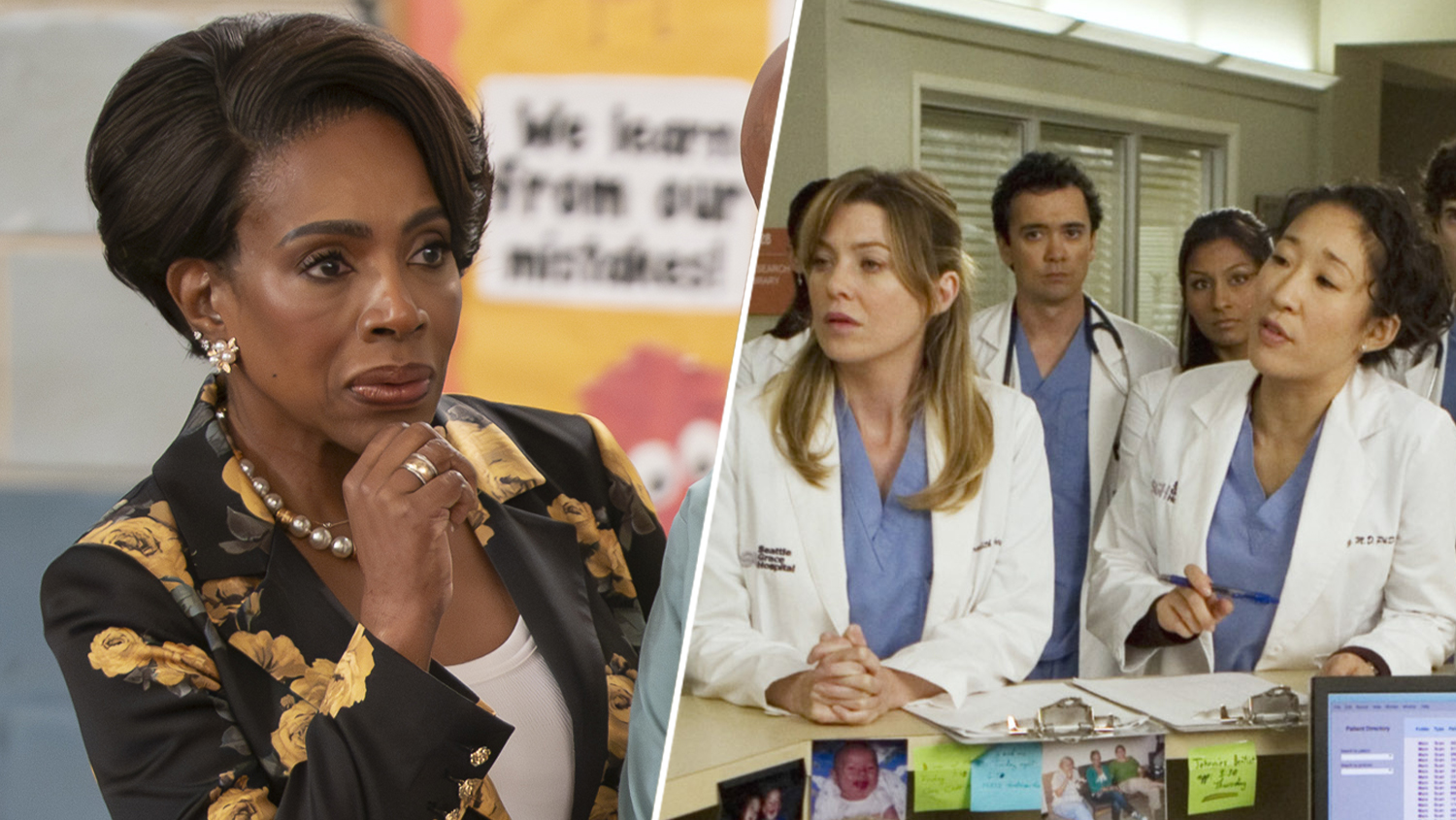
In the hushed glow of a rehearsal room on the Paramount lot, 60‑year‑old Sheryl Lee Ralph leans over a stack of scripts, a subtle smile playing on her lips. The familiar hum of the set—chalk on a whiteboard, laughter in the background—serves as a soundtrack to a vision that stretches beyond the present season. She envisions a future where Abbott Elementary’s laughter‑laden classrooms and heartfelt drama could rival the longevity of network stalwarts like Grey’s Anatomy, which has clocked in 23 seasons. For Ralph, the hope is not merely about numbers; it’s about a sustained narrative that honors the everyday heroism of teachers while keeping audiences entertained.
The new season’s premiere on October 7 brings fresh plot twists, deeper character arcs, and an unwavering commitment to the mockumentary style that first drew viewers in 2021. The show’s unique blend of sharp wit and social realism has resonated with a broad demographic, from educators on the front lines to families who recognize the triumphs and tribulations of public schooling. In this expanded look, we trace Abbott’s journey from its modest beginnings to its current cultural relevance, examine fan and industry reactions, and explore what lies ahead for the beloved series.
Background & Context
When ABC launched Abbott Elementary in 2021, it entered a crowded field of workplace comedies that had, for decades, favored office politics or corporate satire. Instead, Abbott turned the spotlight inward, spotlighting a team of teachers in a Philadelphia public school, their camaraderie, their frustration, and the often overlooked challenges that come with limited resources. The show’s mockumentary approach—camera crews capturing candid moments, breaking the fourth wall—mirrors the success of earlier hits like The Office and Parks & Recreation, but it does so within a setting that feels more intimate and socially relevant.
The core ensemble—Barbara Howard, played by Sheryl Lee Ralph; Gregory Eddie, portrayed by Tyler James Williams; Janine Teagues, the fearless assistant principal; and the rest of the faculty—offers a mosaic of perspectives. Each character is layered: Barbara’s seasoned wisdom, Gregory’s earnest optimism, Janine’s ambition, and the newer teachers’ diverse experiences. The writers deftly weave personal backstories into broader social issues such as school funding, student mental health, and cultural representation, ensuring that the show is more than just a comedy but a reflection of contemporary classroom realities.
Ralph’s own background lends authenticity to Barbara Howard’s character. Her years on Broadway, combined with a genuine interest in educational themes, inform a performance that feels both grounded and uplifting. Her ability to balance humor with empathy has been a keystone for the series, giving audiences a relatable maternal figure who steers her fellow teachers through both personal and professional storms.
Historically, shows that tackle institutional systems with a mix of humor and heart—think 1970s sitcoms like Sanford & Son or 1990s dramas such as Boston Public—have struggled to maintain longevity, often being shelved after a single season. Abbott’s endurance suggests a new model for workplace comedies: one that centers on service professions, champions underrepresented voices, and uses comedy as a vehicle for thoughtful dialogue. The network’s decision to renew the show for a sixth season signals confidence that this formula can sustain viewers over multiple years, potentially placing Abbott among the most enduring narratives on network television.
What People Are Saying
Since its debut, Abbott Elementary has sparked an online conversation that reaches beyond typical sitcom fandoms. Parents and teachers alike share screenshots of on‑screen moments that echo their own experiences, turning the show into a communal space for shared reflection. In Reddit threads and Facebook groups dedicated to education, fans highlight Barbara Howard’s mentorship, discussing how her guidance parallels real-life classroom leadership. The sense of community extends into professional educator forums, where the show is used as an informal teaching tool, sparking discussions about classroom management, student engagement, and policy reforms.
A notable trend is the appreciation for the series’ authenticity. Twitter users with hashtags like #AbbottElementary or #SchoolLife have posted clips that align with actual classroom practices, such as spontaneous teacher‑student dialogues or the chaotic reality of school meetings. These memes and clips often go viral, underscoring how the show resonates on a granular level. The social media buzz also showcases how the show’s humor, grounded in realistic scenarios, strikes a chord with a generation of viewers who crave content that feels both entertaining and meaningful.
Beyond fan chatter, critics have praised the series for its balanced storytelling. In reviews that focus on narrative quality rather than plot, writers note the show’s capacity to develop long‑term arcs—such as Gregory Eddie’s transformation into an assistant principal—while maintaining the pace and levity that keeps audiences coming back. Commentaries on educational policy often reference Abbott as a case study in media representation, illustrating how sitcoms can contribute to public discourse on systemic issues.
The introduction of new arcs in season six, particularly Gregory’s new administrative role, has stirred excitement among viewers. In interviews, Tyler James Williams discusses the challenges of stepping out of the familiar classroom environment, a narrative that many fans see as a mirror to their own career shifts. Social media posts featuring snippets of his on‑set preparations, annotated with thoughtful captions about leadership and change, have become a focal point for conversation.
The collective enthusiasm is mirrored by the show’s ratings trajectory. While early data shows a modest rise in viewership during the first week of season six, analysts point to the show’s ability to capture a stable core audience. This audience is particularly significant because they tend to be more engaged, often sharing episodes, participating in fan forums, and attending virtual watch parties, thereby amplifying the series’ presence without massive marketing pushes.
What Happens Next
With the season’s launch already scheduled for October 7, the production crew is already mapping the creative and logistical roadmap for future episodes. Creator and lead Quinta Brunson, who has navigated the show’s dual role as writer and performer since its inception, emphasizes a commitment to character depth. She reveals plans to delve deeper into Barbara Howard’s backstory, potentially exploring her journey from a young teacher in a different state to the seasoned mentor she is today. Brunson’s vision aims to keep the narrative fresh while honoring the series’ roots.
From a production standpoint, ABC’s continued support is evident in the show’s placement on the Friday night lineup at 8:30/7:30c, a slot traditionally reserved for high‑profile comedies. This scheduling underscores the network’s confidence that Abbott will sustain viewership in a competitive timeslot. Moreover, ABC’s decision to commission a full season rather than a shortened run further signals faith in the show’s staying power.
Industry insiders note that the longevity of Abbott may inspire a shift in how networks approach workplace comedies. Traditional sitcoms that focus on corporate or suburban settings have often seen shorter lifespans; Abbott’s success suggests a new appetite for stories centered on public service, diversity, and social relevance. Consequently, the show’s trajectory could influence greenlight decisions for similar projects, encouraging producers to invest in stories that blend humor with substantive themes.
Looking ahead, the creative team has hinted at exploring more nuanced social issues—such as mental health support for teachers, racial equity in education, and the evolving role of technology in classrooms. The show’s writers have expressed a desire to weave these topics into existing character arcs, ensuring that the series remains timely and socially conscious. Such a trajectory positions Abbott Elementary not merely as a comedic entertainment piece but as a platform for conversation and reflection.
Beyond narrative plans, the series has also become a platform for real‑world impact. In collaboration with educational nonprofits, the production has organized virtual workshops for teachers, using the show’s episodes as discussion starters. These initiatives underscore the show's role as a bridge between entertainment and professional development, a synergy that fans and educators alike celebrate.
Closing
As the countdown to season six begins, Sheryl Lee Ralph’s vision of Abbott Elementary matching the endurance of long‑running staples like Grey’s Anatomy is more than a hopeful wish—it’s proof of the power of storytelling that honors everyday heroism. The series has built a loyal audience, carved out a niche in the television landscape, and begun to influence how educators and viewers alike discuss the realities of public schooling. Whether it will match the exact number of seasons or carve out a distinct legacy, one thing is clear: Abbott Elementary has already become a cultural touchstone, and its journey is one to watch, both on and off the screen.
The Bottom Line
Abbott Elementary proves that a sitcom centered on public school teachers can resonate far beyond the laugh track. By marrying relatable characters with real‑world issues—funding crises, mental‑health challenges, equity debates—the series invites viewers to both laugh and reflect. Sheryl Lee Ralph’s 60‑year‑old perspective on longevity underscores a broader industry lesson: authenticity and purpose can translate into sustained audience loyalty. As networks grapple with the cost of greenlighting new shows, Abbott’s success suggests that investing in socially relevant narratives that champion underrepresented voices can yield both critical acclaim and durable viewership. Moreover, the show’s engagement with teacher communities and nonprofits turns entertainment into a platform for professional development and civic conversation, creating a ripple effect that extends beyond the screen. In an age where content is abundant, the true differentiator lies in the stories that spark dialogue and empathy—something Abbott Elementary delivers with finesse. – MyWorldPulse
Reference:
- Sheryl Lee Ralph’s Instagram post announcing season six
Read more celebrity news at MyWorldPulse.