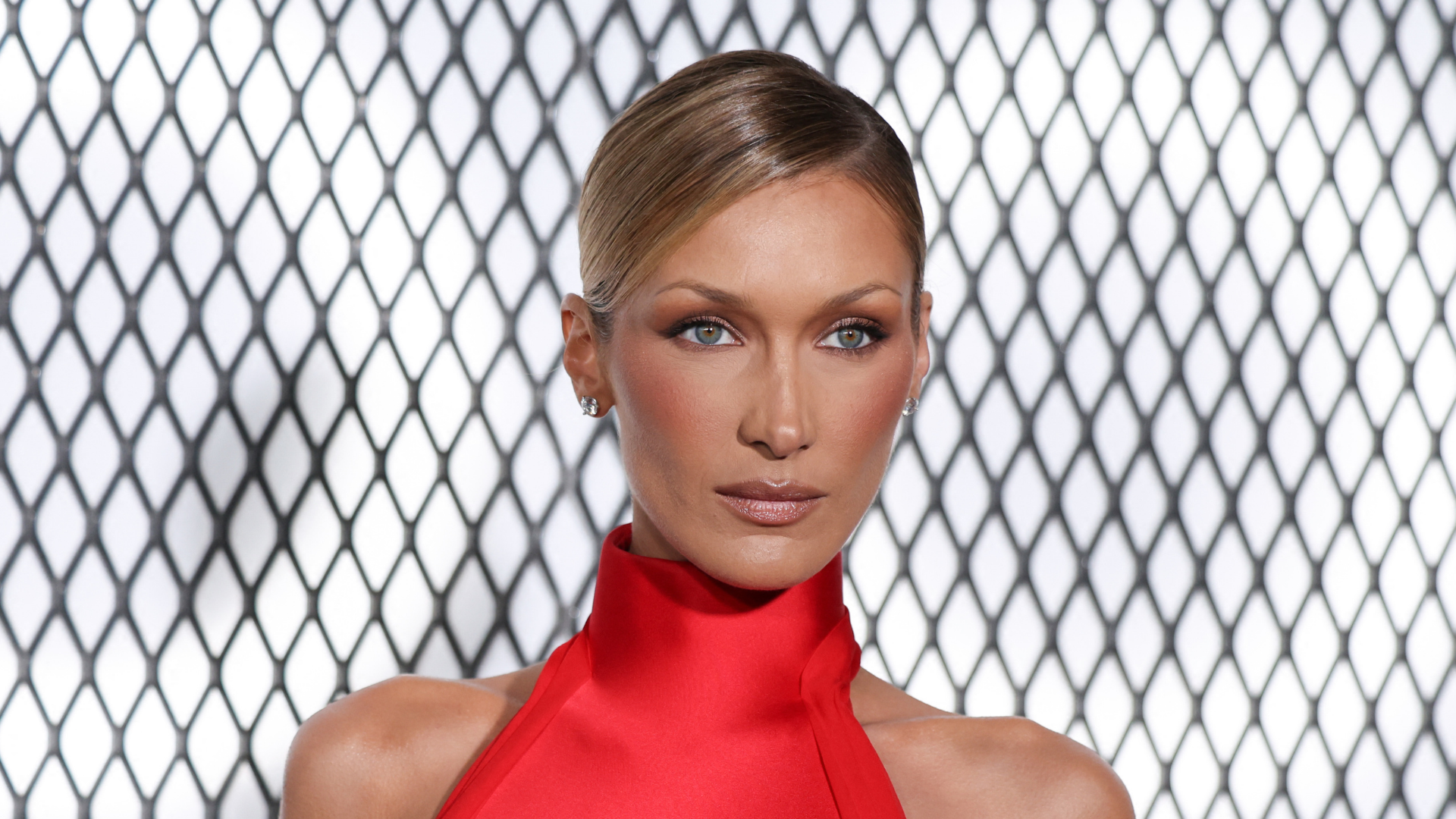
Bella Hadid Unveils Hidden Struggles with POTS, Endometriosis, Lyme
The first shock came when the world saw the supermodel, usually poised in immaculate couture, striking a raw pose in a photo that revealed her in the nude, save for a pair of shaggy, fur‑lined shoes. The image, shared on her personal account, was quickly followed by a headline that sent a wave of comments through fan forums: “Did you know Bella has POTS, endometriosis, Lyme disease, and PMDD?” The sheer candidness of the moment, coupled with the sheer physical vulnerability on display, caused a flurry of messages from supporters, medical professionals, and fellow public figures.
A week later, a more detailed account surfaced in the December 2026/January 2027 issue of Harper’s Bazaar, where Bella opened up about the invisible toll her chronic conditions exact on her daily life. She described the dizzying symptoms of postural orthostatic tachycardia syndrome (POTS) that strike when she transitions from lying down to standing. “I have POTS [postural orthostatic tachycardia syndrome], and I have a lot of PMDD [premenstrual dysphoric disorder], endometriosis, plus my Lyme and things that affect my body very deeply,” she told the magazine. The disclosure resonated beyond the fashion sphere, striking a chord with anyone who has faced the invisible weight of chronic illness.
The narrative that emerged was one of a woman who, despite living in the public eye, has endured months of crippling fatigue, sharp pain, and unpredictable bodily reactions that threaten to undermine even the simplest of gestures—an unanticipated collapse during a runway rehearsal, a nearly collapsed lung, and a shattered clavicle that left her questioning her own resilience. The announcement sparked a conversation that has extended far beyond the catwalk, prompting fans to share stories of their own struggles and encouraging a broader dialogue about the reality of living with multiple debilitating health conditions.
Background & Context
Bella’s public persona has long been defined by her striking runway presence and editorial work, but the recent revelations place her in a different category: a public figure confronting chronic disease on a daily basis. POTS, a condition in which the heart rate accelerates drastically when standing, leads to dizziness, fatigue, and fainting spells. The Cleveland Clinic explains that the disorder often presents with a rapid heart rate, vertigo, and a feeling of exhaustion that can last from minutes to hours. This symptom set can make even routine walking or standing a formidable task.
PMDD, another condition Bella cites, is a severe form of premenstrual syndrome that can trigger mood swings, anxiety, depression, and intense physical discomfort. The Cleveland Clinic lists headaches, breast tenderness, and bloating as common manifestations. Endometriosis, which involves the growth of uterine lining tissue outside the uterus, is frequently associated with pelvic pain, heavy menstrual bleeding, and infertility. The condition’s pain can be intense and chronic, affecting quality of life and daily functioning. Lyme disease, caused by the bacterium Borrelia burgdorferi transmitted through tick bites, often manifests with a characteristic bullseye rash, joint pain, and neurological symptoms that can linger for months or years.
While Bella’s statement focused on the interplay of these conditions, she also highlighted the physical toll they take on her. Her recounting of the moment before stepping onto the runway for Victoria’s Secret’s 2026 show—“Right before I walked out on the runway for my opening look, I went to go stretch and my whole clavicle completely … I don’t even know what it was. My lungs almost collapsed, and I couldn’t breathe…”—underscored the fragility that underpins her professional and personal life. The gravity of her description echoed the seriousness of the symptoms described by medical institutions, adding a personal dimension to the clinical facts.
These conditions are not isolated or rare. According to the Centers for Disease Control and Prevention, over 1.1 million Americans live with Lyme disease, while endometriosis affects roughly 10% of women worldwide. POTS is estimated to affect between 200,000 and 1 million adults in the United States alone. In an industry that celebrates flawless bodies and unyielding stamina, Bella’s openness invites an overdue conversation about the everyday realities that accompany such diseases.
What People Are Saying
The response from fans has been largely supportive, with many expressing gratitude for Bella’s vulnerability. Threads across social media platforms have seen users share personal anecdotes, often describing how their own battles with fatigue or pain mirror the challenges Bella describes. Several medical professionals took to comment sections to acknowledge the significance of her public acknowledgment, noting how celebrity disclosures can demystify and destigmatize chronic illnesses.
Bella’s own reflection—“I need to realize maybe my body can’t handle all that I have going on… I know how to walk. One thing I can do is I can strut. But it’s a lot of pressure; we all have our own insecurities. Sometimes my body just can’t connect with my brain. My brain wants to do it, and my body is like, ‘No, we can’t do that today.’ And I’m like, ‘Okay, great. So let’s figure out another way.’”—tuned in to a wider audience that recognizes the tension between mental resolve and physical capacity. This candid admission resonated deeply with those who have felt the disconnect between what they wish to accomplish and what their bodies allow.
Within the fashion industry, colleagues have responded with empathy. Some designers have praised Bella’s courage to reveal her truth while still demanding the level of performance that high-profile shows require. Meanwhile, critics of the industry’s relentless pursuit of perfection highlighted the need for structural changes to accommodate performers with health challenges. The conversation has moved beyond a single individual's experience, prompting discussions about the importance of rest days, adequate medical support, and the inclusion of flexible schedules in high-stakes events.
A few commenters pointed out that the moment Bella stepped on the runway after her collapse was proof of resilience. They argued that her perseverance, despite the physical setbacks, showcased a determination that could inspire many who feel limited by their conditions. The overall tone across platforms has been one of solidarity, admiration, and a call for increased awareness.
What Happens Next
Bella’s disclosure opens a new chapter for both her and the broader community. For the model, the immediate next steps involve navigating a medical regimen that addresses multiple interrelated disorders. While specific treatment plans were not detailed in the interview, her mention of “my body” needing to connect with her “brain” suggests a multifaceted approach that likely includes medication, physical therapy, and mental health support. The medical community has highlighted that management of conditions like POTS and endometriosis often involves lifestyle modifications, symptom-targeted medications, and sometimes surgery, whereas Lyme disease treatment typically requires a prolonged course of antibiotics.
In the realm of her career, Bella’s next appearances—whether runway shows, editorial spreads, or brand collaborations—will likely incorporate accommodations to ensure her safety and well‑being. It is reasonable to anticipate that future events will feature built‑in rest periods, medical staff on standby, or alternative performance options that reduce strain. The fashion industry may use Bella’s situation as a catalyst for broader discussions on inclusive scheduling and the mental and physical health of models, perhaps prompting designers to reconsider the demands placed on their talent.
Beyond her personal sphere, Bella’s revelation may encourage a surge in public discourse. Advocacy groups for Lyme disease, endometriosis, and POTS have already shown interest in collaborating with public figures to raise awareness. A partnership could involve public service announcements, educational campaigns, or fund‑raising efforts. Given Bella’s global reach, any campaign that aligns her image with these causes could accelerate knowledge dissemination and destigmatization.
The long‑term impact hinges on how well the industry and society respond to her openness. If Bella’s experience spurs concrete changes—such as more rigorous health screening protocols for high‑stress events, or the adoption of more inclusive scheduling—then the ripple effects could reach far beyond a single celebrity. It could become a standard for how the fashion world handles chronic illness, turning a personal revelation into a systemic shift.
In the coming months, her public statements, any medical disclosures she chooses to share, and the responses from her peers will chart the trajectory of this evolving conversation. Her willingness to speak on conditions that many prefer to keep private may become a cornerstone for empathy and change in an industry where perfection has long been prized.
Bella Hadid’s candidness reminds us that behind the polished runway and glossy magazine covers, many people grapple with invisible battles. Her story, shared in the most authentic light, invites everyone to listen, learn, and stand with those who endure these hidden hardships.
The Bottom Line
At MyWorldPulse we applaud Bella Hadid’s bravery in breaking the silence on her chronic illnesses. Her transparency challenges an industry long built on an illusion of invincibility. By sharing the very real toll of POTS, Lyme disease, endometriosis, and PMDD, Bella forces us to confront the hidden burdens many models endure. We argue that this is not just a personal narrative but a clarion call for systemic change. The fashion world must move beyond token gestures of inclusion and implement concrete, industry‑wide standards—mandatory on‑site medical teams, adjustable show schedules, and mental‑health resources. Only then can we move from spectacle to sustainable practice. Bella’s candidness should inspire brands, designers, and agencies to prioritize well‑being alongside beauty. Let her story be the spark that transforms an industry that once demanded perfection into one that values health and humanity. —MyWorldPulse Editorial
Reference:
- Official post on Bella Hadid's verified Instagram account
Read more celebrity news at MyWorldPulse.