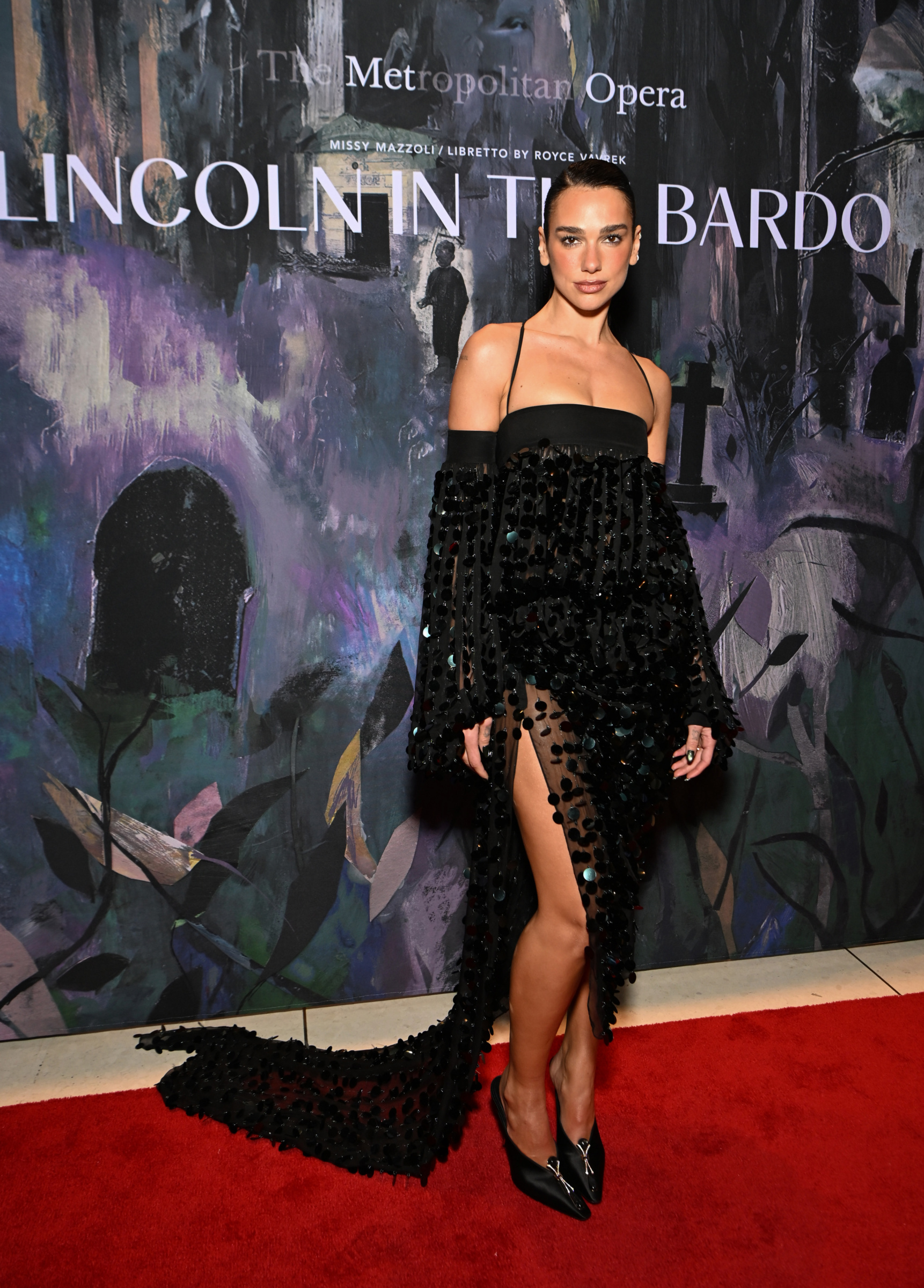
When Dua Lipa arrived in a shimmering black gown at the Metropolitan Opera House, the air felt electric, a perfect storm of pop star swagger and the hushed reverence of a stage that has hosted royalty and operatic titans for a century. Her steps down the carpet were watched by a thousand strangers, all glued to the glint of her jewelry, and all feeling the strange pull of a familiar voice in a new voice‑space. Beside her, comedian Amy Poehler, who had just delivered a punchline about the absurdity of opera, looked as if she had stepped straight out of a late‑night sketch. The event was not merely a glittering after‑party; it was a signal that the Met’s latest offering—George Saunders’ “Lincoln in the Bardo”—has finally found its bridge to a broader, younger audience.
The 2024 opening night gala was more than a dress‑up affair; it was a cultural handshake. The Met, long known for its solemnity and classical rigor, has long struggled to attract audiences who do not already live in a world of arias and sopranos. By inviting a pop icon like Dua Lipa, who has sold more than 80 million records worldwide, the institution is sending a message: the operatic canon is not a closed system but a living, breathing dialogue with the present. The night’s headline, the sold‑out seats, the social‑media buzz—all pointed to one question: does pop now live inside the opera house, or is this a one‑off experiment? The answer, the evening proved, is a resounding, glittering yes.
Background & Context
“Lincoln in the Bardo” is the Met’s most ambitious contemporary opera to date. Adapted from George Saunders’ Booker‑Prize‑winning novel, the work explores the deathbed of Abraham Lincoln and the ghostly world he occupies. Premiered in 2024, it is the first opera at the Met in two decades to tackle a distinctly American historical figure in a genre that has traditionally leaned on European narratives. The production, directed by a young visionary, blends modern staging with classical orchestration, creating a soundscape that feels both fresh and timeless. The cast of world‑class singers delivers a score that ranges from haunting choral passages to lyrical solos, each designed to evoke the emotional weight of a nation in mourning.
The Met’s decision to host such a project is part of a broader strategy to diversify its repertoire and attract younger patrons. In the past, the company has introduced a handful of new works, but none have carried the commercial heft or cultural curiosity of a pop star attending the premiere. By positioning Dua Lipa and Amy Poehler at the forefront of the event, the Met signals that it is no longer a fortress of tradition but a cultural hub that welcomes cross‑genre collaboration. The gala itself was a blend of opera and pop: a live performance of the opera’s opening number, a set of curated cocktails, and a surprise appearance by Dua Lipa who performed a pop‑inspired rendition of a chorus from the opera. The result was a night that felt both grand and intimately personal.
What People Are Saying
The social‑media storm that erupted after the gala was immediate. Thousands of Instagram stories, tweets, and TikToks featured clips of Dua Lipa in opera makeup and Amy Poehler’s punchline about “the only thing more melodramatic than a diva” while she tried on opera glasses. Fans from across the spectrum—opera aficionados, pop heads, and casual New Yorkers—shared their astonishment, noting how the juxtaposition of the two genres created a new kind of cultural conversation. Comments like “I can’t believe I saw Dua Lipa in the Met, this is next level!” or “Finally, a reason for my friends to get out of the house!” dominated the feeds.
Critics, too, took note of the event’s impact. In reviews that appeared the next morning, many writers praised the Met for its daring programming and its successful recruitment of a mainstream audience. While they noted the occasional mismatch between the operatic staging and pop sensibilities, most agreed that the overall effect was to broaden opera’s appeal. The presence of a global superstar also prompted many in the industry to discuss the future of opera, suggesting that the genre’s survival might hinge on its ability to blend with popular culture.
Beyond the buzz, people were talking about the experience itself. Those who attended the gala described the atmosphere as “electric,” noting that the usual hush of an opera house was replaced by a palpable excitement. The mingling of celebrities and opera fans seemed to break down long‑standing social barriers, fostering conversations that spanned from ticket pricing to the emotional depth of the opera’s narrative. By the time the gala concluded, it was clear that the event had succeeded in its goal of creating a shared cultural moment that transcended typical genre boundaries.
What Happens Next
The Met’s “Lincoln in the Bardo” will run for ten weeks, a run that will include a mix of weekday and weekend performances, each priced in the traditional range of $120 to $250, depending on seating. The company has already announced a series of educational outreach programs tied to the opera, aiming to engage high‑school students and first‑time opera-goers. These programs will feature behind‑the‑scenes tours, Q&A sessions with the creative team, and interactive workshops that demystify opera’s musical language.
For Dua Lipa, the night is expected to open new doors. While she has no plans to tour with the opera’s cast, the exposure to the Met’s audience has already sparked interest in cross‑genre projects. Several music producers have reportedly reached out to discuss potential collaborations that would blend pop vocal stylings with operatic compositions. Whether this leads to a full-fledged crossover tour remains to be seen, but the industry buzz suggests that the pop‑opera nexus is now a viable frontier.
Amy Poehler’s appearance, meanwhile, is being discussed as part of a larger initiative to bring comedy into opera. The Met has expressed interest in commissioning new works that integrate live comedy sketches into the operatic narrative. This could signal a future where opera houses routinely feature a mix of dramatic and comedic performances, thereby widening their appeal. In the immediate term, the Met will likely continue to promote the opera through a robust marketing campaign that leverages the star power of its celebrity guests, aiming to fill every seat in the house while keeping opera’s cultural integrity intact.
The closing night of the gala will be watched by those who see themselves as part of a cultural shift. The intersection of pop stardom and operatic grandeur, witnessed by a thousand attendees and millions of online followers, has already altered the conversation around opera. The Met, through its bold programming and strategic use of celebrity, has demonstrated that the world of classical music is not a relic but a dynamic space capable of evolving with society.
In the end, Dua Lipa’s glittering presence at the Metropolitan Opera was more than a fashion statement; it was a cultural milestone. It showcased how an artist rooted in contemporary pop can breathe new life into a centuries‑old art form, and how a venerable institution can reinvent itself for a modern audience. The night was a reminder that the arts, at their best, thrive when they dare to cross boundaries and invite the unexpected into their halls.
The Bottom Line
The Met’s bold move to feature Dua Lipa signals a pivotal shift in how classical venues can stay culturally relevant. By intertwining pop stardom with operatic tradition, the institution not only taps into a younger demographic but also redefines opera’s public image as a dynamic, inclusive art form. This partnership demonstrates that genre fusion, when executed thoughtfully, can enrich the artistic experience without compromising the depth of the original work. The success of this gala proves that audiences are eager for fresh, cross‑genre storytelling and that institutions willing to experiment will likely thrive. We applaud the Met for daring to innovate and for opening doors that could lead to a renaissance of opera—one that is vibrant, forward‑looking, and resonant with contemporary listeners. — MyWorldPulse.com
Reference:
- Official Met Instagram announcement of Dua Lipa appearance
Read more celebrity news at MyWorldPulse.