The midnight hour of November 23th saw an avalanche of heartbeats on the internet when the news that Duran Duran’s founding guitarist, Andy Taylor, had died at 65 reached fans worldwide. Social‑media feeds lit up with shared clips, nostalgic photos, and a chorus of “RIP” that swelled to a thunderous crescendo in just a few minutes. Even the most casual listeners found themselves scrolling back through the 1980s, clutching the same vinyls that had first introduced them to the band’s magnetic energy.
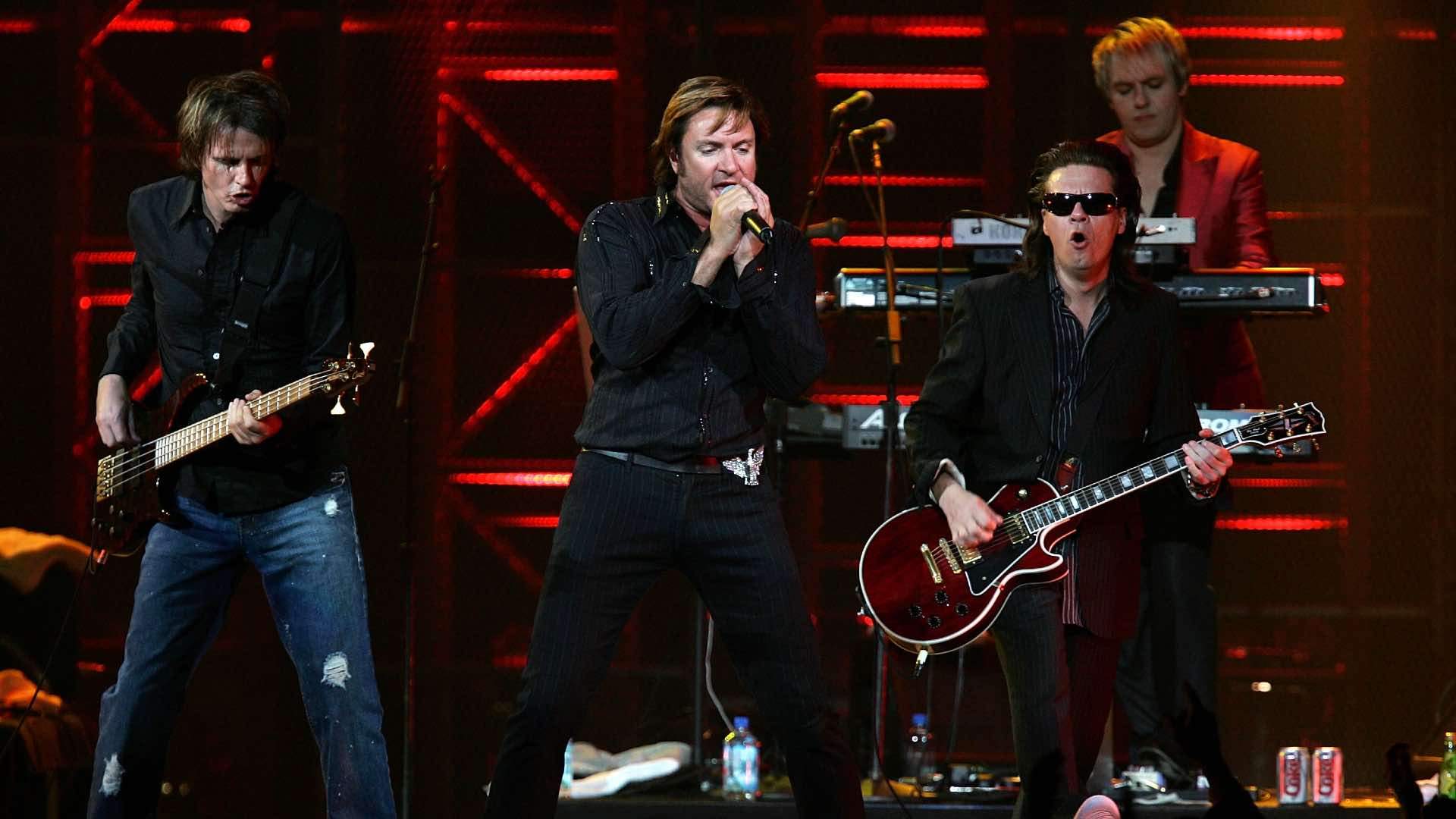
Taylor’s name has become synonymous with an era of shimmering synths and swaggering guitar riffs that defined an entire decade. Born in 1961 in Cullercoats, Northumberland, he joined a fledgling group of five in 1980, bringing with him a razor‑sharp sense of timing and an unshakable belief that the group could become more than a flash in the pan. His guitar work powered hits that still find their way into playlists and stadiums, making his loss feel like a personal goodbye to a piece of every fan’s soundtrack.
While the announcement was a shock to the music world, the true resonance of Taylor’s passing is the reminder that the torch of creative brilliance is only ever held by a handful of pioneers. As people shared memories of the days when a new single could send an entire generation into a collective dance, the collective mourning felt less like an industry news cycle and more like a community gathering around a beloved storyteller.
Background & Context
Taylor’s journey from the quiet coastal town of Cullercoats to the global stages of Duran Duran began with a guitar and a dream. The 1980 debut album, featuring the infectious “Girls on Film,” set the stage for the band’s meteoric rise. Yet it was the sophomore release, Rio, that catapulted them into worldwide stardom, with anthems like “Hungry Like the Wolf” and the eponymous title track dominating charts and MTV rotations alike. Taylor’s solos—tight, melodic, and never overbearing—became the signature of the group’s sound, earning him acclaim from both fans and critics.
The late 1980s saw the band cement its legacy with Seven and the Ragged Tiger and The Reflex, the latter of which topped the U.S. singles chart. During this period, Taylor’s blend of funk‑inflected riffs and pop sensibilities helped shape an era where music videos and fashion were as intertwined as melody and rhythm. His guitar work was not just an accompaniment; it was a narrative layer that added depth to the band’s visual and sonic storytelling.
In 1986, he stepped away from Duran Duran to explore a solo career, releasing Thunder in 1987, a harder‑rock album that showcased a different facet of his musicality. The same year, he co‑wrote “Lost in You” for Rod Stewart, proving his versatility beyond the pop realm. He returned to the group in 2001 for a reunion tour, once again re‑igniting the chemistry that had defined their early years. After a brief hiatus, he re‑joined in 2006 and finally came back in 2023 to record the album Danse Macabre, reaffirming his enduring influence on the band’s evolving sound.
What People Are Saying
The outpouring of grief and remembrance was swift and heartfelt. One user on X expressed, “Another bit of childhood, gone. My thoughts to his loved ones at this time. And as always…cancer sucks.” Their words captured a shared sentiment that transcended age or geography, underscoring how deeply Taylor’s music had woven itself into everyday life.
Another fan recalled, “Damn. So sad. First record I ever bought with my own money as a kid was Rio. RIP Andy.” The anecdote speaks to the generational ripple effect of Taylor’s guitar work, a sound that first filled the ears of a young listener and became a lifelong soundtrack.
A third tribute highlighted his understated mastery: “Definitely ruined my day. The guy was such an underrated guitarist. Rest in Peace.” This lament, while brief, resonated with the quiet respect many musicians and fans held for his skill and humility.
A poignant voice in the chorus of condolences reminded everyone of the personal impact: “Truly a sad day…. Duran Duran were everything to me growing up. From the time I knew what music was, they were always my favorite band. My walls in my bedroom were covered in nothing but Duran Duran posters. You’ll be sorely missed, Andy Taylor. RIP….” The imagery of posters and walls illustrates how his presence had permeated the personal spaces of those who grew up alongside the band’s rise.
Across platforms, fans shared old concert footage, lyric interpretations, and the simple act of turning on a radio to hear the riffs that had guided them through milestones. The collective tribute became a living archive, proof of a guitarist whose work had become a shared cultural heritage.
What Happens Next
The band’s official statement, posted on their website, paid tribute to Taylor’s indelible influence. “From the moment he arrived in Birmingham from the North East with a guitar and an unshakeable belief in what we could become, he brought an indelible fire and swagger to our music,” the statement read. It highlighted how his playing drove the songs that carried the group around the world and how his dry wit and no‑nonsense outlook kept the band grounded.
While no formal memorial has yet been announced, the band’s history suggests that they may honor him in the context of future tours or releases. Given that Taylor recently contributed to Danse Macabre, a project already in the public eye, it is likely that the next iteration of Duran Duran’s music will carry his signature guitar flourishes. The group’s ongoing presence in the music scene may also inspire tribute concerts, especially as anniversaries for seminal albums loom.
Industry insiders note that the loss of a founding member often prompts a reassessment of legacy. It could lead to archival releases of unreleased recordings, a retrospective documentary, or even a dedicated exhibition celebrating the band’s evolution. Fans and fellow musicians alike have expressed a desire to keep his memory alive by sharing recordings, trading stories, and ensuring that his riffs continue to echo in new compositions.
In the months ahead, listeners may expect a surge of covers, reinterpretations, and nostalgic re‑releases that pay homage to the guitarist whose work defined a generation. As the music community prepares to honor his life, the conversations will likely shift from the loss itself to the celebration of a career that touched millions of hearts.
In the quiet moments when a radio station spins an old Duran Duran track, the resonant chords of Andy Taylor’s guitar will remind us that the true power of music lies in its ability to bind us across time and place. His legacy, stitched into the fabric of pop and rock history, will continue to play on long after the final note has faded.
The Bottom Line
Andy Taylor’s passing is more than a headline; it’s a reminder that the foundations of modern pop-rock were built on a small group of fearless innovators. His work on “Rio” and “Hungry Like the Wolf” didn’t just chart the 80s—it set a blueprint for integrating guitar into synth‑heavy soundscapes. In an era where playlists often feel disposable, Taylor’s legacy teaches us the value of craftsmanship and authenticity. For the industry, it’s a call to preserve original recordings and tell the stories behind them, ensuring that the next wave of artists and fans can feel the same spark that once ignited a global movement. Fans, too, deserve more than digital memorials; they need tangible ways to celebrate a guitarist whose riffs became the soundtrack of their youth. We, at MyWorldPulse, see this as an opportunity to champion projects that honor Taylor’s memory—whether through curated reissues, tribute concerts, or immersive documentaries—while keeping his influence alive for decades to come. —The MyWorldPulse Editorial Team
Reference:
- Official post on the person's verified social media account
Read more celebrity news at MyWorldPulse.