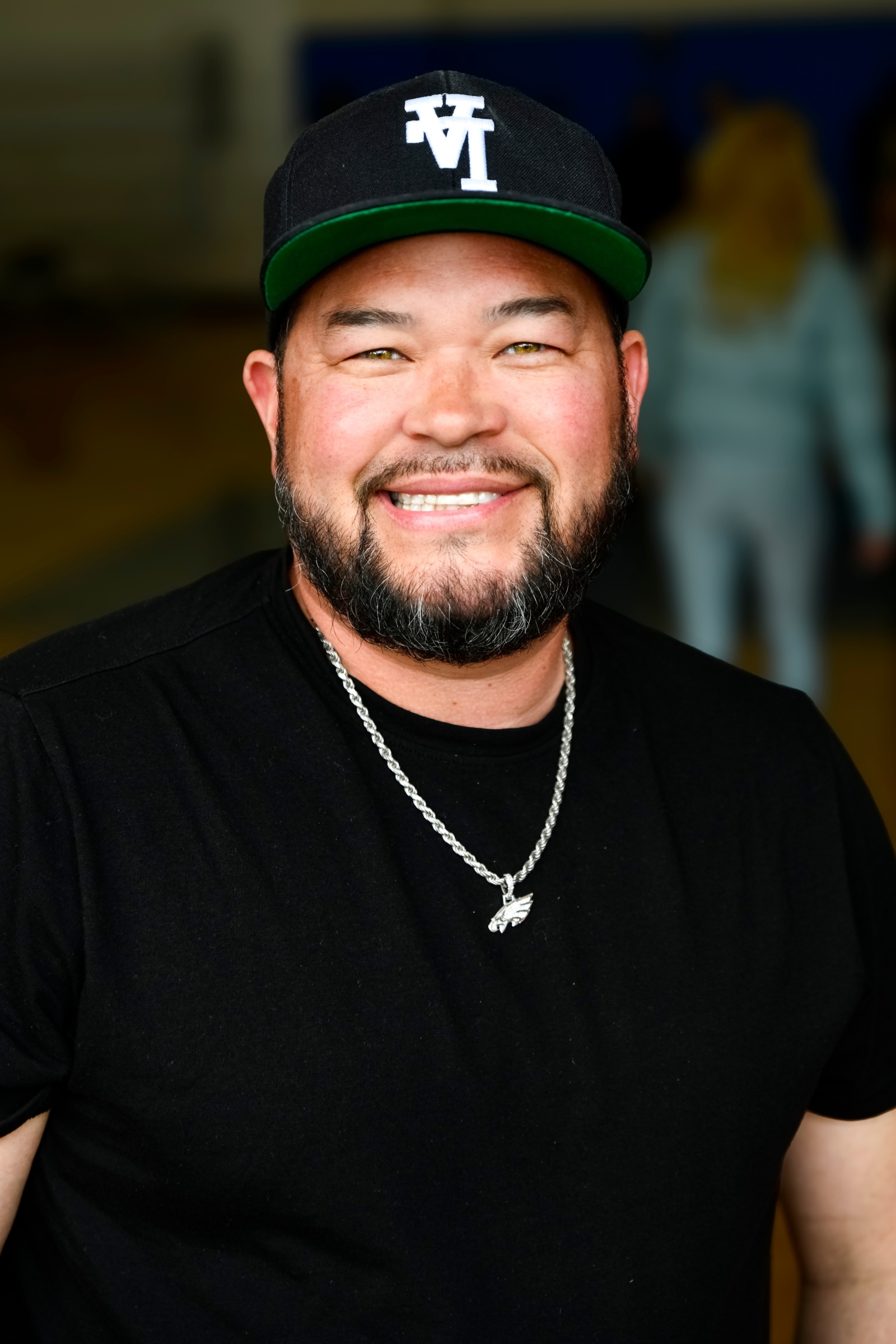
For a 22‑year‑old who grew up in front of a camera, the decision to pour private pain into a paperback felt like stepping off the set and into the unknown. His new book, “In the Shadow of Eight: Surviving the Reality of My Childhood,” hit shelves on October 13, and the world watched as he recounted a childhood marked by neglect, an estranged relationship with his mother Kate Gosselin, and a fractured bond with seven siblings he rarely saw.
The book is more than a memoir; it is a confrontation with the narrative that has long dominated the Gosselin household. Kate’s past comments have labeled Collin as mentally ill, an accusation he now denies with documented psychiatric evaluations. In a recent interview, Collin spoke candidly about missing his siblings, the impossible task of reaching out after years of distance, and the hope that he might someday bridge the gap that still separates him from his family.
The release of his book also sparked a fierce exchange between Collin and his mother. Kate’s comments on social media, coupled with the book’s revelations about abuse at a private inpatient facility, have reignited public interest in a family that once captured millions on reality television. Meanwhile, his father Jon publicly defended Collin, calling Kate’s assertions “unfounded” and threatening legal action to protect his son’s reputation.
Background & Context
The Gosselin family first entered the public eye with the hit series “Jon & Kate Plus 8.” From 2005 to 2009, viewers followed Jon and Kate as they raised their twins Cara and Mady, along with their sextuplets—Alexis, Hannah, Aaden, Collin, Leah, and Joel. The show chronicled not only the logistical challenges of a large family but also the emotional turbulence that comes with being filmed every day. For Collin, the cameras never quite captured the quiet moments of neglect and fear that would later become the core of his narrative.
In October, he published “In the Shadow of Eight,” a book that details the abuse he endured while staying at a private inpatient facility from ages 11 to 12—a stay that lasted 21 months. Collin describes the institution as “a place where I was abandoned, not cared for.” He also confronts the emotional scars left by his mother’s abandonment, as well as the strained relationships with his siblings, whom he admits to barely remembering. The book’s title itself nods to the collective identity that the show constructed, hinting at the pressure to appear unified while masking deep personal fractures.
Kate Gosselin’s reaction was swift. Three days after the book’s release, she posted a TikTok video about her dog, only for comments to quickly shift to a discussion of the memoir. She defended herself by citing mental health struggles she believes Collin shares, and the comments were marked by a mixture of support and criticism. In response, Collin turned to his father, Jon Gosselin, who publicly denounced Kate’s remarks, claiming they were “unfounded” and that he was “holding her accountable.” Jon’s statements came at a time when the public was increasingly skeptical of the Gosselin family’s portrayal on television, making the dispute a focal point for broader conversations about reality TV families and the line between performance and reality.
What People Are Saying
Collin’s response to his mother’s accusations centers on three independent psychiatric evaluations, all of which he says came back clear of the conditions Kate cited. In an interview, he described himself as having “always known that I wasn’t the one in the wrong.” He challenged Kate to consider seeking a psychiatric evaluation herself, a rhetorical jab that underscored the emotional weight of the conversation. The comments that followed were as polarized as the debate itself. Some listeners praised Collin’s courage in confronting his past, while others questioned the validity of his claims and the ethics of sharing such intimate detail with the public.
Kate’s comments on social media were more measured than her public statements had suggested. In one post, she acknowledged that “mental illness is a real struggle” and seemed to invite dialogue. Yet, her earlier remarks—labeling Collin as mentally ill—continued to stir controversy. Supporters of Collin accused her of “the same old thing” of blaming him for his own trauma. Meanwhile, the father’s public defense added a new layer of complexity, as he threatened legal action to protect his son’s reputation and, according to his statements, to hold Kate “accountable.” His stance signaled that the conflict might extend beyond the realm of personal grievances into a potential court battle.
The public reaction also drew attention to Collin’s estranged siblings. In the book, he recounts that he cannot recall their faces or voices, proof of how the physical and emotional distance has erased the memories of those who were once integral to his childhood. He revealed that he thinks about reaching out—texting them, asking how they are—yet admits the decision is “just way more complicated than that.” The silence surrounding these relationships mirrors the broader silence that has surrounded many reality families, where the camera’s presence can both amplify and mask underlying tensions.
What Happens Next
As the public debate continues, several potential next steps are unfolding. Collin’s statement that he has received multiple psychiatric evaluations is a direct countermeasure to his mother’s claims, and it also sets a precedent for using professional assessment to resolve disputes over mental health allegations. If the family opts to pursue legal action, it could become a landmark case for how public figures defend themselves against allegations made by family members in the public sphere. The outcome would likely influence how other reality‑TV families handle personal disputes that spill into the media.
Collin’s own future plans appear to be focused on healing and reconciliation. He has expressed a desire to reconnect with his siblings, a process that will likely require a careful, step‑by‑step approach. Whether he will initiate contact remains unknown, but the candidness of his book suggests he is willing to explore that possibility. His father’s support might also serve as a catalyst for bridging gaps, providing a platform for open dialogue between Collin and his family.
The public’s attention may also shift toward the broader issue of mental health representation in reality television. Collin’s experience highlights how reality shows can both spotlight and distort the personal struggles of their subjects. As viewers continue to debate the authenticity of “Jon & Kate Plus 8,” this case may spur a reevaluation of the ethical responsibilities of producers and participants alike.
In the coming months, the conversation will likely expand beyond the immediate family to encompass discussions about the long‑term psychological effects of growing up in a constantly televised environment. As Collin Gosselin steps away from the spotlight of reality television and into the role of a memoirist, he invites a broader audience to consider the untold stories that often lie beneath the glamour of the family drama.
The Gosselin saga is far from over, but the publication of Collin’s book marks a turning point—one that may ultimately lead to a more honest dialogue about family, trauma, and the human capacity for healing.
The Bottom Line
MyWorldPulse believes that Collin Gosselin’s courage to step beyond the glossy façade of reality television is both necessary and risky. By exposing abuse that lasted nearly two years, he opens a vital conversation about the mental‑health fallout for those thrust into the spotlight as children. The family's public spat—Kate’s dismissive comments, Jon’s legal threat, and Collin’s plea for accountability—serves as a cautionary tale for the entertainment world: unchecked narratives can turn personal trauma into public spectacle. This is not just a familial drama; it’s a signal that reality‑TV producers must prioritize genuine care over sensationalism. If the industry ignores these warning signs, it risks repeating a pattern where family conflict is commodified at the expense of human dignity. The stakes are high, and the public demands honesty. MyWorldPulse urges stakeholders to heed this moment, to champion real‑world support structures, and to ensure that future storytelling respects the lived experiences of those it portrays.
Reference:
- Official post on the person's verified social media account
Read more celebrity news at MyWorldPulse.