The frantic voice on the recorder belonged to Zach Hickerson, the 36‑year‑old that had stood on a porch, breathing a heavy air after a Sunday church service, before turning around and seeing his former lover, Hayden Panettiere, lifeless on the floor of their South Carolina home.
In the days that followed the call, fans and family alike watched as the world tried to piece together what had happened to a woman whose career spanned childhood roles, blockbuster films and a beloved television series. The recording that surfaced on October 14 added a human, heart‑broken layer to an already heartbreaking story: a partner, a medical emergency, and the swift, relentless march of first responders that could not reverse fate.
Background & Context
Hayden Panettiere was no stranger to the spotlight. Growing up in San Diego, she earned early acclaim in “Remember the Titans” and later carved out a niche in the cult‑favorite “Heroes.” She even broke the mold with a starring role in the “Scream” franchise, proving her range as an actress and a performer. Beyond the screen, she cultivated a personal brand that celebrated honesty and vulnerability, notably in her 2026 memoir “This Is Me: A Reckoning,” where she opened up about her battles with alcohol and opioid addiction.
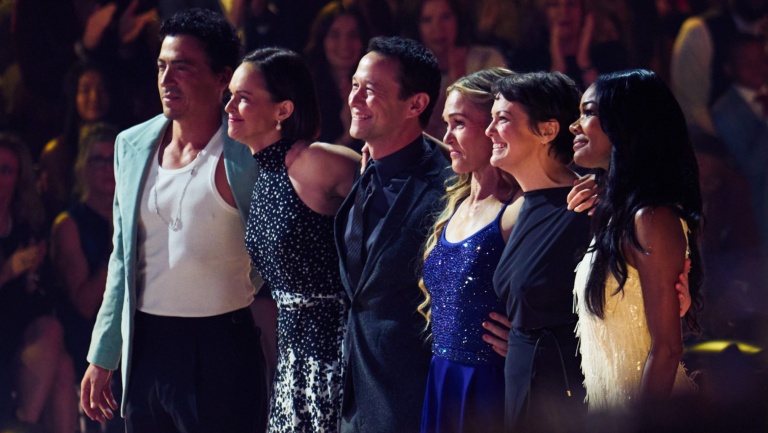
In February 2016, Panettiere’s name was still associated with hope when she performed in “Nashville for Africa,” a benefit concert at Nashville’s Ryman Auditorium. Her public willingness to discuss substance abuse, combined with her on‑screen success, made her a touchstone for many who saw herself reflected in her struggles.
The days leading up to August 16, however, were marked by tragedy. The 36‑year‑old had been found unresponsive at her Greenville, South Carolina residence, an event that sent a shockwave through her fan community. Zach and his brother Brian Hickerson, both of whom had been her partners at different points in her life, were present when she was discovered. The two men were later the only witnesses to her final moments. Emergency crews arrived within minutes, but the outcome was irrevocable. The Greenville County Coroner’s Office ruled the death accidental, citing toxic effects of fentanyl, 4‑ANPP, alprazolam, methocarbamol, and quetiapine as contributing factors.
The timeline, while tragic, offers a stark look at how swiftly health crises can spiral. The 911 call captured that instant. Zach told the dispatcher he had been at church, had returned home, and found Hayden “unconscious.” When he asked if a defibrillator was in the building, the dispatcher was at a loss and instructed him to begin CPR. The call, which recorded Zach’s breaths and the dispatcher’s calm instructions, was later made public, allowing the public to witness a moment of sheer humanity amid a fatal collapse.
What People Are Saying
For fans, the recording felt like a raw, unfiltered window into the final hours of a beloved figure. Social media erupted with sympathy posts, messages of support, and a flood of memories. Some fans reflected on Panettiere’s openness about her past struggles, noting how her honesty may have helped others facing similar battles. Others, meanwhile, expressed disbelief that a talented, charismatic actress could fall victim to a drug overdose, despite a long history of advocacy and self‑exposure.
The conversation also touched on the broader issue of opioid misuse. Health professionals cited the case as a reminder of how the addictive nature of substances can catch even those who are aware of the risks. Some called for increased resources, while others questioned the effectiveness of current prevention programs.
In a related vein, the death of another actor, RJ Mitte, was also a topic of conversation. Mitte’s untimely suicide in 2024 shocked the entertainment community, prompting tributes from colleagues, most notably from Aaron Paul. While the two incidents involved different causes, both underscored the fragile intersection between mental and physical health in the high‑pressure world of show business. Fans who had followed both careers noted that both actresses, despite their differing paths, had faced significant personal challenges and used their platforms to discuss them publicly.
What Happens Next
The investigation into Panettiere’s death is still underway. While the coroner’s office has ruled the death accidental, toxicology reports are not yet fully completed. Her representative has made clear that the inquiry is ongoing and that the public should not accept preliminary conclusions as final. This cautious stance reflects the complexity of such investigations and the weight of providing closure to a grieving public.
Fans and advocacy groups have turned their attention toward prevention. A number of initiatives are already underway, aiming to educate about fentanyl’s danger, encourage early intervention for substance use, and expand access to treatment. Some foundations are also calling for more stringent regulations on prescription medications that can be easily diverted to illicit use.
For the broader industry, Panettiere’s death has ignited a conversation about the support structures in place for actors dealing with health challenges. A number of production companies are reviewing their wellness policies, and some are pledging to provide better mental health resources on set.
Meanwhile, the public has been left to mourn and reflect on the life of a woman who, for many, represented both triumph and vulnerability. Her legacy is now being honored not only through fan tributes and memorials but also through continued advocacy for drug misuse prevention, a cause she had championed in her later years.
In the quiet after the storm, the 911 call remains proof of human resilience. It reminds us that, even in the face of tragedy, there is a shared commitment to do everything possible to help another. And that, perhaps, is the most enduring part of Hayden Panettiere’s story: the relentless desire to reach out and save, even when the outcome lies beyond our grasp.
The Bottom Line
At MyWorldPulse, we view Hayden Panettiere’s passing as a sobering indictment of Hollywood’s failure to safeguard its own. The raw 911 call was not merely a tragic moment—it was a stark expose of how quickly an actor can slip from the spotlight into a silent battle with addiction. The industry’s reaction has been tepid, with many production companies pledging reforms while the public remains skeptical. Our view is clear: meaningful change demands that studios enforce rigorous wellness policies, provide comprehensive mental‑health resources, and ensure that every actor—regardless of status—has access to timely help. Only then can we honor Panettiere’s memory by preventing future tragedies and reaffirming that the true measure of our industry is the care we extend to those who bring stories to life. – MyWorldPulse Editorial
Reference:
- Official post on Hayden Panettiere's verified social media account
Read more celebrity news at MyWorldPulse.