Caleb Flynn Sentenced to Life, Diddy in Solitary After Luxury Claims
When the notification that former American Idol contestant Caleb Flynn had been handed a life sentence without parole lit up the internet, the feeds of fans, former contestants, and music insiders erupted in a mix of disbelief, grief, and a quiet sorrow that something once familiar had slipped beyond the realm of possibility. In the same hour, a headline about Sean “Diddy” Combs’ return to solitary confinement at FCI Fort Dix in New Jersey prompted a flood of comments from hip‑hop lovers, legal watchers, and curious onlookers. The two stories, one rooted in a domestic tragedy and the other in the curious intersection of celebrity and the penal system, collided to form an unexpected tableau of fame, fall, and consequence.
Background & Context
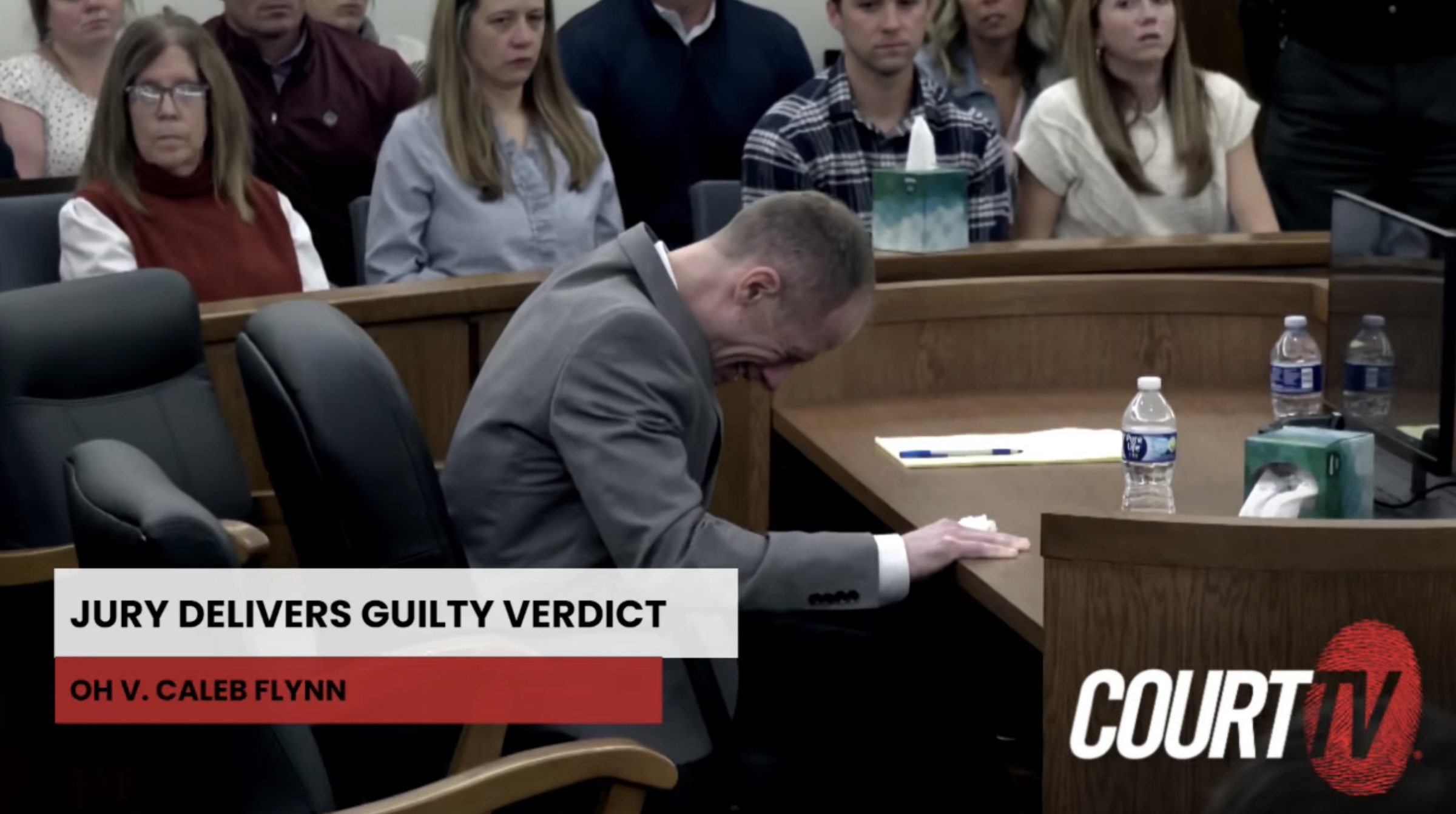
Caleb James Flynn, 40, is perhaps best remembered for his earnest vocal performances on the 2013 season of American Idol, where he carved out a niche with his soulful renditions and gentle demeanor. A former worship pastor before his brief pop‑star stint, Flynn’s life outside the spotlight remained relatively private until his wife, Kelsey, vanished in late 2023. A week later, police found her body, and a subsequent investigation uncovered evidence pointing squarely at Flynn. The case progressed through the courts with a rapid pace: a pre‑trial hearing, a quick arraignment, and a trial that lasted less than a month. In the end, a jury found Flynn guilty of aggravated murder, and the judge in Ohio, on Monday, pronounced a sentence of life imprisonment with no possibility of parole. The verdict not only closed a chapter on a small‑town tragedy but also sent shockwaves through the entertainment community, where former contestants often find themselves celebrated in a culture that can be unforgiving and unforgivingly fast.
Sean “Diddy” Combs, on the other hand, has spent the past year navigating the complexities of federal sentencing and life behind bars. In July 2026, a federal judge sentenced him to 50 months for two counts of transportation to engage in prostitution—a conviction that had taken place in the high‑profile context of a federal court case that also involved allegations of racketeering and sex trafficking, of which he was ultimately acquitted. Combs’ notoriety as a rap mogul, entrepreneur, and philanthropist turned the sentencing into a media event in its own right. However, the legal system’s internal dynamics have taken an intriguing turn: months after his release into general population confinement, he found himself back in disciplinary segregation at FCI Fort Dix, a move that has sparked a swirl of speculation regarding the conditions and privileges of prison life for high‑profile inmates.
What People Are Saying
The reactions to Flynn’s sentencing have been overwhelmingly compassionate, yet tinged with a somber realization that the music world has lost a figure who embodied modesty and talent. Former Idol coaches, many of whom had known Flynn personally, took to social platforms to share memories of his humility and the authenticity he brought to the stage. Some fans expressed anger at the systemic failures that may have allowed a murderer to slip through early warning signs, citing a need for better mental‑health and domestic‑violence oversight. The collective voice underscored a broader conversation: the thin line between personal demons and public personas, and how the entertainment industry sometimes overlooks the darker aspects of its own talent pool.
Diddy’s return to solitary has stirred a very different kind of discussion. While the general public is used to stories of celebrity in the streets, hearing about a former rap king’s life inside a federal penitentiary is far less familiar. Many in the hip‑hop community lamented that, even in a setting of punishment, a figure like Combs could allegedly secure luxury items—a contraband phone to check Instagram, a “jail‑broken” tablet to stream movies, and reportedly even high‑end liquor and premium meals curated by other inmates. These claims have fueled a debate about the unequal application of prison regulations, the influence of fame on the treatment of inmates, and the broader systemic issues that allow such disparities to exist. Meanwhile, some commentators have cautioned against rushing to judgment, noting that prison authorities rarely confirm details of such allegations, citing privacy, safety, and security.
Beyond the immediate fan reactions, legal analysts have weighed in on both cases. In Flynn’s situation, the judge’s decision to impose a life sentence without parole is seen as a rare but definitive stance against domestic homicide, reflecting a broader trend in the criminal justice system to treat such crimes with the utmost severity. The decision underscores the judiciary’s willingness to use the most extreme tools when the evidence is unequivocal. In Diddy’s case, the swift move back into solitary raises questions about disciplinary protocols, inmate conduct, and the balancing act between maintaining order and ensuring humane treatment. The incident highlights the ongoing challenges faced by federal prisons in managing inmates with high profiles, who often come with a unique set of expectations and potential for influence.
What Happens Next
For Flynn, the life sentence means a future that will likely be spent in an Ohio correctional facility, possibly in solitary confinement or a minimum‑security wing, depending on the prison’s assessment of his behavior and risk. As the system processes his incarceration, questions will arise about parole eligibility—though the judge’s pronouncement eliminates that possibility—and whether his case will set a precedent for similar domestic homicide cases involving public figures. The broader impact may be felt in how entertainment agencies vet talent and in the support systems they provide to individuals who face personal crises. A few weeks after sentencing, the community will need to reckon with the fact that a once‑hopeful Idol contestant has become a cautionary tale about the dark undercurrents that can run beneath a polished veneer.
For Diddy, the immediate next step involves an internal review by the Bureau of Prisons. While the agency typically does not comment on conditions of confinement, the move back into disciplinary segregation will be scrutinized by legal teams, advocacy groups, and public watchdogs. Combs’ legal counsel has indicated that an appeal is on the table, arguing that the allegations of contraband use and the alleged luxury accommodations were either misunderstood or misrepresented. The appeal will need to navigate a complex web of federal statutes, prison regulations, and the broader discourse on celebrity privilege. In the months ahead, the case will likely attract continued attention, especially as new details emerge or as the prison system responds to the public pressure surrounding the fairness of treatment for inmates with notoriety.
Beyond the courtroom, both stories serve as lenses through which we can examine how the justice system treats individuals from the limelight. The life sentence handed to Flynn reflects an uncompromising stance when evidence is clear, while Diddy’s solitary confinement underscores the persistent inequities that can exist even in regulated environments. Both events force the public to confront uncomfortable questions about how fame, power, and vulnerability intersect within the boundaries of law and society.
As the days turn into months, the stories of Caleb Flynn and Sean Combs will continue to unfold in the halls of the judicial and penal systems, reminding us that celebrity does not exempt one from the ultimate consequences of crime. In both cases, the public’s role will be to observe, to question, and ultimately to hold the system accountable.
The Bottom Line
The MyWorldPulse editorial believes that the court’s decisive actions in both cases serve as a sobering reminder that talent and notoriety cannot shield one from the law’s reach. For the music and entertainment community, Flynn’s life sentence is a cautionary tale urging agencies to enforce stricter personal and domestic‑violence screening protocols. Simultaneously, Diddy’s solitary confinement shines a light on the systemic privilege gaps that persist even behind bars, prompting a call for transparency and fairness in federal prisons. Both narratives compel us to scrutinize how fame can distort justice and demand a renewed commitment from industry stakeholders to prioritize safety, accountability, and ethical conduct in every facet of their operations. In the end, these cases are not just legal headlines; they are a clarion call for the entertainment world to lead with integrity and responsibility, ensuring that the spotlight never blinds us to the human consequences of crime. –The MyWorldPulse Team
Reference:
- Official Diddy Combs Instagram post
Read more celebrity news at MyWorldPulse.