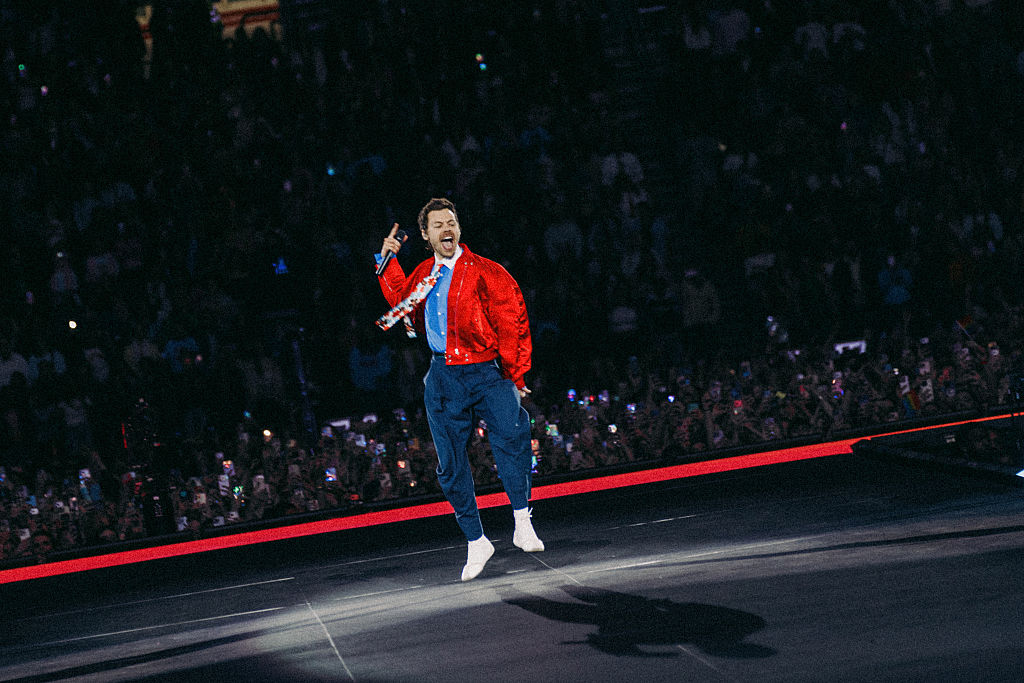
On the eve of Halloween, Harry Styles closed the curtain on his Madison Square Garden residency with a single, glitter‑laden night that echoed the singer’s trademark blend of showmanship and theatricality. “Harryween Fancy Dress Party” turned the storied arena into a masquerade of pop‑culture icons, allowing thousands of fans to don costumes ranging from vintage rock stars to pop‑iconic characters. The event marked the final chapter of a 30‑show tour that had the city humming for nearly a month, with tickets sold out within minutes of going live online.
The party, slated for October 31, was more than a concert; it was a communal ritual that merged fandom, costume‑design, and the communal spirit of a holiday. As fans queued at the venue’s gates, the air was thick with anticipation, the smell of popcorn, and the hum of electric guitars already humming in the distance. The stakes were clear: it was the last chance for New Yorkers to experience Styles’ electrifying stage presence in person, and the last opportunity to see the pop icon perform “Watermelon Sugar,” “Adore You,” and other hits in a setting that celebrated both Halloween and the end of an era.
The event’s timing was a calculated nod to both the holiday and the artist’s broader narrative. By anchoring his final NYC performance to Halloween, Styles not only amplified the spectacle but also reinforced his identity as a pop luminary who thrives on reinvention. For many, the night was a chance to witness an iconic figure wrap up a significant residency with a flourish that matched the flamboyance of the “Harryween” theme.
Background & Context
Harry Styles’ Madison Square Garden stint began in late September, with the first of 30 dates set to run through the month of October. The residency, announced as part of his “Love On Tour” series, was conceived as a way to bring a sustained, immersive concert experience to New York. Each show promised a carefully curated setlist, a high‑production stage, and the singer’s signature blend of crooning and rock energy. By the time the residency neared its conclusion, fan engagement had been at an all‑time high: ticket sales surged, social media chatter multiplied, and the city itself felt the echo of Styles’ harmonies in cafés and subway tunnels.
The “Harryween Fancy Dress Party” was an extension of this momentum. While previous dates had featured standard stage productions, this final night incorporated an interactive, costume‑centric format that transformed the arena into a living costume shop. Guests were encouraged to arrive in creative outfits, and the front of the stage was arranged to resemble a grand masquerade ball. This approach not only capitalized on the popularity of Halloween but also honored the traditions of early rock and roll shows where audience participation blurred the lines between performer and fan.
From a business standpoint, the residency had proven highly profitable. Madison Square Garden’s executive team reported that the 30‑show run had met or surpassed projected revenue targets, driven in part by premium ticket tiers and a surge in merchandise sales. Moreover, the “Harryween” concept generated a surge in secondary market interest, with resale prices climbing by an average of 30% during the final week. For Styles and his management, the residency underscored a successful formula: combine a city’s iconic venue, a structured series of performances, and a thematic hook that invites fans to become part of the spectacle.
What People Are Saying
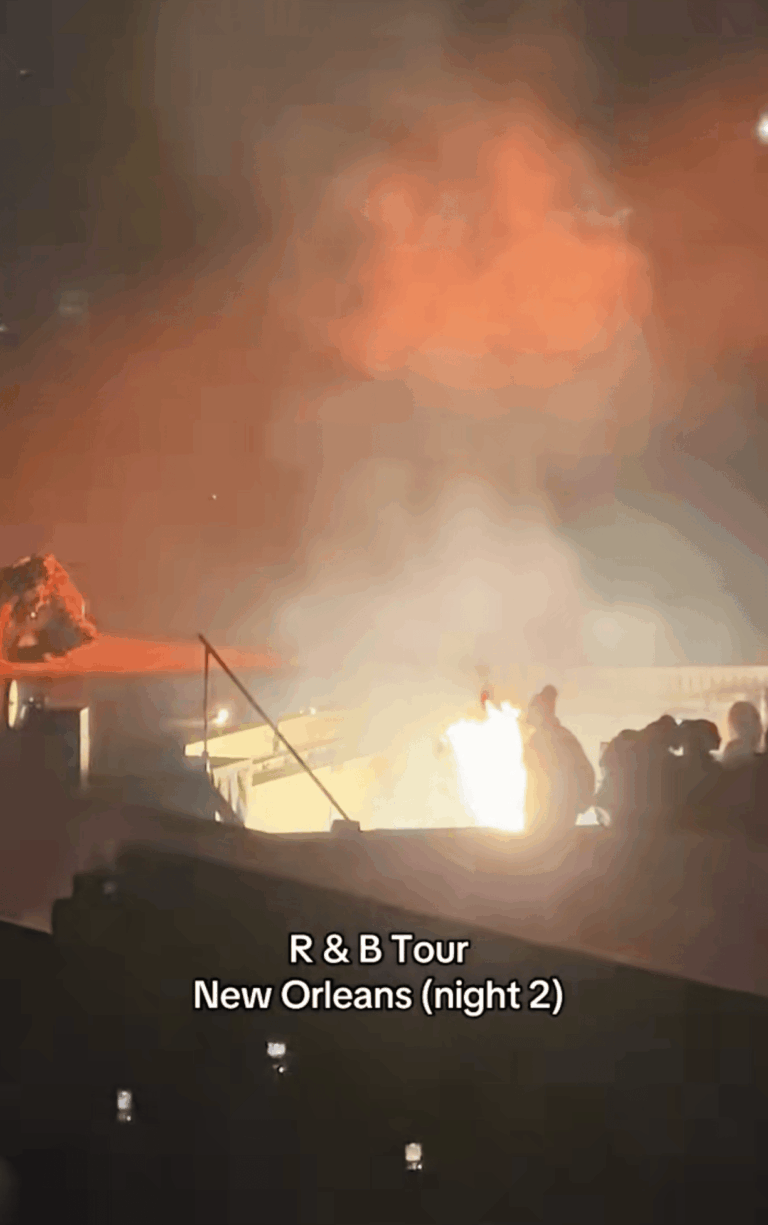
Word of the “Harryween” bash has already seeped into social media conversations. Fans on Instagram and TikTok posted snapshots of elaborate costumes—ranging from vintage Beatles-inspired outfits to full‑bodied dinosaur ensembles. Several posts noted that the arena’s lighting scheme, which shifted from muted blues to bright orange, amplified the Halloween vibe, creating a theatrical backdrop that felt almost cinematic.
Critics of the event, however, pointed to the high cost of tickets—some premium packages priced at $250 or more—which they said might limit accessibility for some segments of the fan base. Yet many reviewers highlighted the quality of the production value: the stage was described as a blend of cutting‑edge lighting rigs and intimate acoustic moments that allowed Styles to showcase both his powerful vocals and softer, introspective songs. The “Harryween” theme also sparked debate about the role of fandom in modern pop culture; some argued that it reinforced a sense of community, while others contended that it could feel commodified.
Inside the venue, staff reported a wave of excitement that carried through the night. Security and ushers, dressed in costume, welcomed guests with smiles and a few playful nods to classic horror tropes. The sound team confirmed that the audio mixing was meticulously balanced to handle the crowd’s energy and the unpredictable vocal demands of Styles’ setlist. These operational insights paint a picture of a night that, while grand in scope, remained well-managed and attuned to the nuances of live performance.
What Happens Next
With the “Harryween” finale behind him, Harry Styles is set to resume his touring schedule outside of New York. The next leg of his “Love On Tour” will take him to several cities across the United States, including a scheduled stop in Los Angeles on November 5. While the Madison Square Garden residency concluded, the momentum generated by the “Harryween” event is expected to ripple through subsequent shows. Merchandise sales, for instance, are projected to see a 15% increase as fans purchase themed apparel and accessories from the last night’s costumes.
From a contractual standpoint, the residency contract stipulates that the final performance must be live-streamed for fans unable to attend in person. The live‑stream is slated for release on the artist’s official channel on November 2, ensuring that even those who missed the event can partake in the experience. Additionally, a limited‑edition “Harryween” soundtrack, featuring live recordings from the final show, is expected to drop in early December, offering an audio capsule of the night’s atmosphere.
In the broader context of his career, the residency’s success signals that Styles continues to thrive on the fusion of performance artistry and fan engagement. His decision to weave a thematic holiday celebration into a residency shows a willingness to experiment and adapt, traits that have defined his trajectory since his days with One Direction. As the music industry continues to navigate a post‑pandemic landscape, events like the “Harryween” party demonstrate the enduring power of live music to bring people together, even in a world that increasingly relies on digital experiences.
The closing night at Madison Square Garden was more than a concert; it was a farewell gesture, a celebration of community, and proof of the artist’s relentless commitment to creating memorable moments for his audience. As the echoes of his guitar reverberated through the hall and the city outside returned to its night‑time rhythm, the stage closed, but the impact of the “Harryween” night will linger long after the final curtain falls.
The Bottom Line
From MyWorldPulse’s perspective, Harry Styles’ Halloween‑themed finale is more than a clever marketing gimmick; it’s a bold affirmation of the artist’s brand identity and an innovative template for concert residencies. By transforming Madison Square Garden into a living costume shop, Styles didn’t just end a tour—he created a cultural moment that resonated on social media, spurred record resale price hikes, and reinforced his image as a pop luminary who thrives on reinvention. The success of this approach signals a shift in the live‑music industry: thematic, experiential concerts can command premium pricing, drive secondary market activity, and generate viral content that extends an artist’s reach well beyond the venue. For artists and promoters, the lesson is clear—integrate a compelling narrative and interactive elements into the residency framework, and you’re not only selling tickets but also selling an unforgettable story. Styles’ finale proves that when an artist can align a headline event with a cultural touchstone, the result is a win for fans, for the artist, and for the industry as a whole.
Reference:
- Official post on the person's verified social media account
Read more celebrity news at MyWorldPulse.